Solar Dryer in Yadadri Bhuvanagiri, Telangana – Advanced Solar Drying Solutions for Farmers & Businesses
In the district of Yadadri Bhuvanagiri, Telangana, farming still provides a livelihood for numerous rural families. Besides field crops, agricultural work in the region also involves fruits and vegetables, which opens up possibilities for processing beyond simply selling fresh produce. Farmers and small enterprises frequently face the challenge of deciding what to do with produce that exceeds what can be sold right away.
One way to take moisture out of suitable agricultural products is through Solar drying. Based on the crop and what it is meant for, dried produce might go to food companies, serve as an ingredient, or be sold via other market routes. How much drying actually helps comes down to the quality of the raw material, the method applied, and whether buyers actually want the finished product.
For farmers, self-help groups (SHGs), Farmer Producer Organisations (FPOs) and food processors in Yadadri Bhuvanagiri, picking the right Solar Dryer starts with knowing the product, the volume on hand and the quality desired after drying.
About Rudra Solar Energy
Founded in 2006 and headquartered in Ahmedabad, Gujarat, Rudra Solar Energy is an Indian manufacturer of Solar thermal equipment. The company produces Solar dryers along with other Solar thermal products designed for agricultural and commercial use.
Its solar dryer range caters to different processing needs, from smaller batches to larger operations. The right setup hinges on how much fresh produce goes in per batch, the nature of the product, and how often the equipment will be put to use.
For buyers in Yadadri Bhuvanagiri, picking a machine ought to go beyond simply comparing capacities. The type of crop, the way it is prepared, the space available for installation and what the dried output will be used for all shape the decision.
Why Are Solar Dryers Being Considered in Yadadri Bhuvanagiri?
Drying in the open sun is a long-familiar method, yet it leaves produce at the mercy of outdoor conditions. Dust, insects, sudden rain and shifting humidity levels can all make the process tougher to control. When produce is spread outside under such inconsistent conditions, the quality of the dried material can also end up uneven.
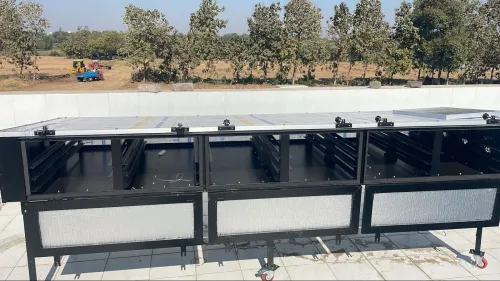
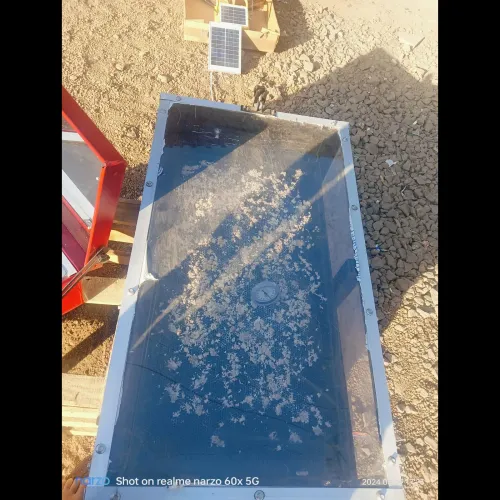
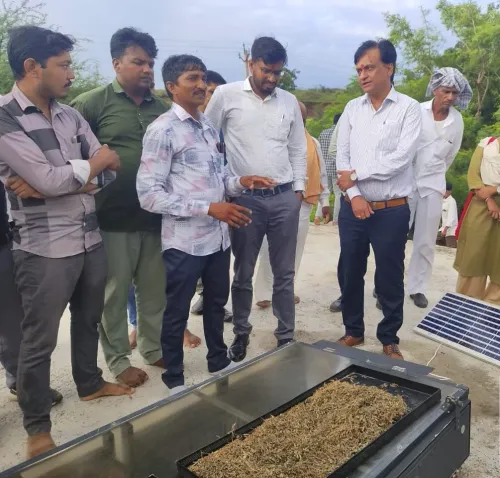
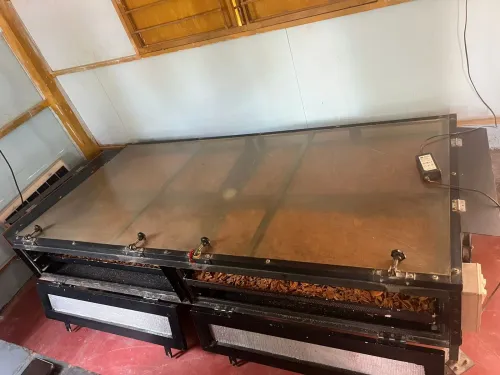
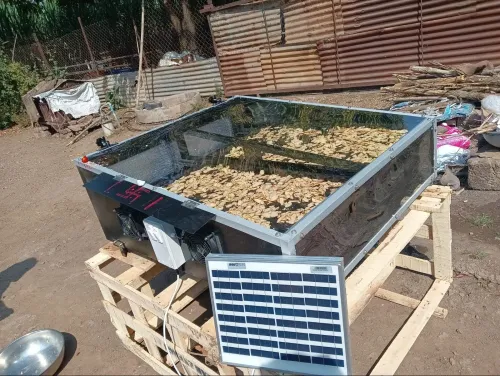
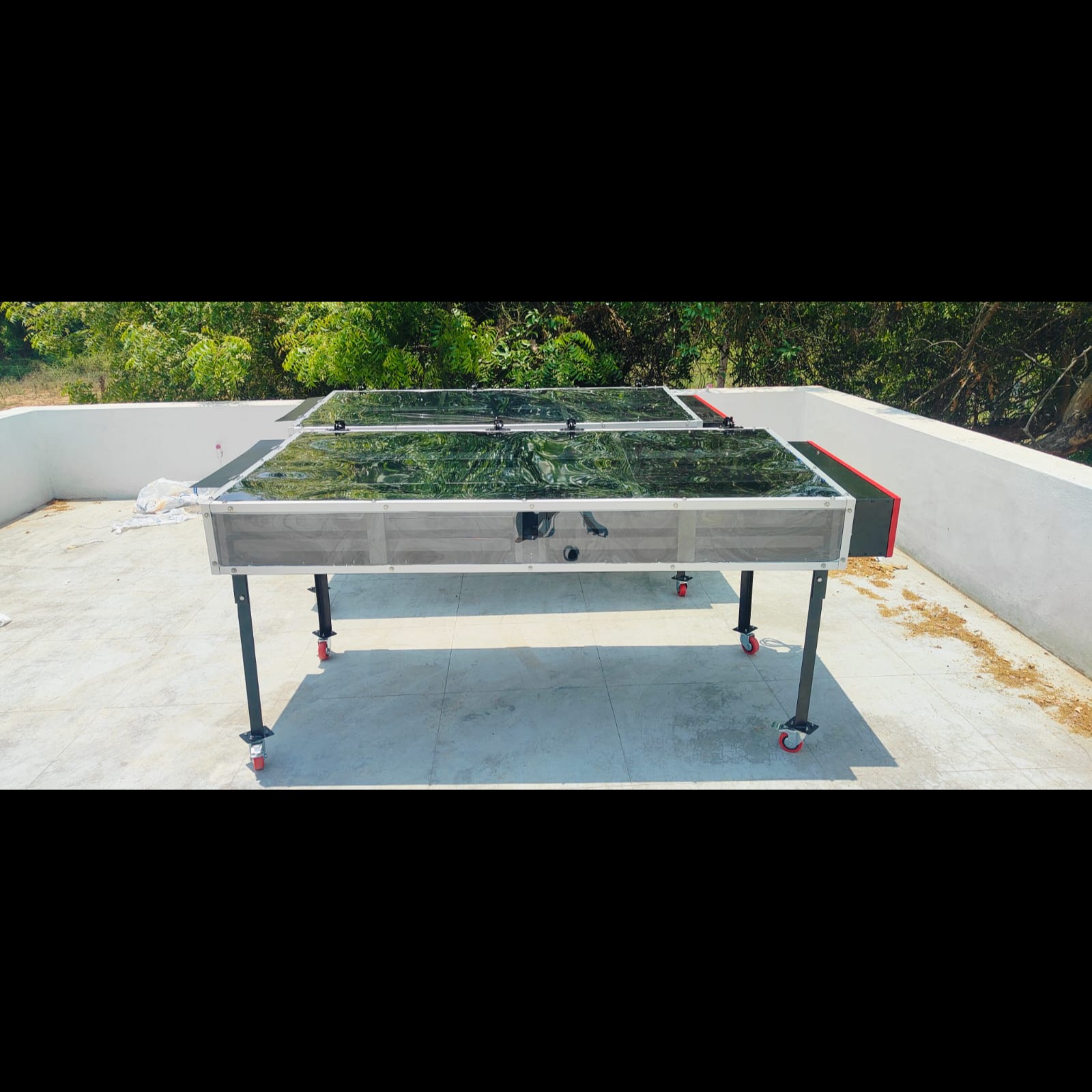
A Solar Dryer that is enclosed offers a more controlled environment for drawing out moisture. Based on the model and the way it is run, it can assist in lowering direct exposure to the surrounding environment while also simplifying the management of the drying process.
For those running agricultural businesses and rural enterprises, the potential benefits could include:
A drying environment that is more controlled: The enclosed chamber assists in shielding produce from direct exposure to dust and insects outdoors.
Utilisation of Solar heat: When adequate sunlight is present, Solar energy can supply heat for drying.
Chances for value addition: Certain agricultural products can be turned into dried forms intended for particular uses and markets.
Various capacity choices: The equipment can be chosen based on how much fresh produce is available for each batch.
Backing for small processing ventures: Entrepreneurs can evaluate whether dried products suit their customers' requirements and the supply they have on hand.
A Solar Dryer will not deliver the same results under every kind of weather condition. Performance is influenced by sunlight, humidity, airflow, the quantity loaded and the moisture content of the product. Drying also does not take the place of cooking, sterilisation or other processing steps whenever those are needed.
Which Agricultural Products Can Be Considered for Solar Drying?
The product you choose matters just as much as the machine. Yadadri Bhuvanagiri has agricultural activity involving fruits and vegetables, yet the suitability of each crop ought to be evaluated according to its properties and the finished product that is intended.
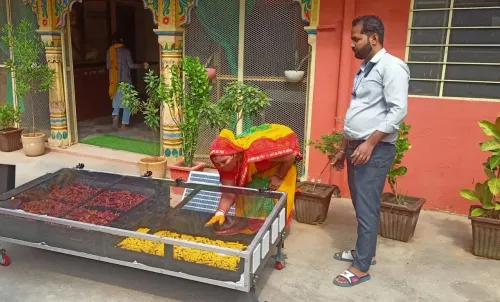
Fruits: Appropriate fruits, such as mango and banana where they are available locally, might be considered for drying. The process is influenced by ripeness, slice thickness, preparation and the moisture level the buyer requires.
Vegetables: Certain vegetables can be dried for food preparation or for further processing. Washing, cutting, tray loading and airflow must be taken into account for every product.
Leafy produce and herbs: Some leafy materials and herbs might be suitable for drying where a clear use exists for the finished product. Handling has to be suitable for the material that is being processed.
Chilli and selected spices: Drying can be applicable to suitable chilli and spice products. The process ought to be steered by colour, aroma, moisture level and the various other specifications set by the buyer.
Other agricultural products: Depending on whether seeds and other crops are meant for food, further processing or storage, they may call for particular drying requirements. Rather than using one procedure for every product, their individual requirements should be examined separately.
The ideal place to begin is by identifying the product, the way it will be prepared before loading, and what the customer expects from the finished material. These details help establish whether a given Solar Dryer is the right fit.
What Should You Consider Before Drying Fruits and Vegetables?
During drying, fruits and vegetables do not all behave in the same manner. A process that works well for one product may not deliver the same outcome with another, even if both are loaded into the same machine.
Before entering the Dryer, produce should be sorted and prepared in an appropriate way. Pieces cut to a reasonably consistent thickness usually make the drying process easier to manage. Putting too much material on a tray can block airflow, so the amount loaded should match the equipment.
Attention must also be paid to the required final moisture level. A product meant for immediate further processing may have requirements that differ from one being prepared for packaging and sale. If a buyer has specified a moisture level, colour or another quality parameter, the process should follow that specification.
Seasonal availability counts as another practical factor. A farmer who processes produce during a short harvest period may require a different arrangement from an entrepreneur who buys raw material from several growers across the year.
Where possible, testing the actual product in a suitable setup before planning regular production can help determine whether the process meets the intended quality requirements.
Selecting a Solar Dryer Configuration That Meets Your Needs
No single capacity works for every farmer or food-processing business. A small user handling occasional batches may need a compact unit, whereas an SHG or FPO gathering produce from several members may need a larger capacity.
Rudra Solar Energy produces Solar dryers in a range of configurations, and the one you pick depends on your application and how much fresh material you need to process. Before settling on a model, take into account the crop, the batch size, how frequently you will operate it, and the space you have available.
What Capacity Will I Require?
Type of user
Points to consider
Solo farmer
How much is harvested in a single round and how frequently drying will take place
Small-scale entrepreneur
Dependable availability of raw material, labour, and the probable demand for the dried product
SHG or FPO
Produce pooled from members, how it will be collected, and the expected frequency of batches
Food-processing enterprise
Product specifications, production planning, and the quantity that buyers require
Commercial processor
A steady supply of raw material, the throughput you expect, and the quality standards the finished product must meet.
Solar Dryer capacity is usually expressed in terms of the fresh material loaded per batch. Since moisture is driven off, the final dried weight will be less, and how much it drops varies from product to product. That is why buyers picking a machine should talk about fresh-input quantity and expected dried output as two separate figures.
Solar Dryers for FPOs, SHGs and Rural Entrepreneurs
For an FPO or SHG located in Yadadri Bhuvanagiri, Solar drying could be worth exploring as one part of a wider push into agricultural value addition. A group can start by listing what its members have to offer, when those items are in season, and whether the people who might buy them want them already dried.
Rather than taking on several commodities simultaneously, a small entrepreneur might do better to begin with just one product. That way, it becomes simpler to grasp what preparation involves, what production will cost, and the level of quality buyers are looking for.
More than just the equipment determines whether a drying operation makes financial sense. The cost of raw materials, sorting, preparation, labour, packaging, transport, and access to markets all shape the business as a whole. It pays to talk with potential buyers and learn their specifications before making a commitment to regular production.
A good Solar Dryer can help with the processing itself, yet it cannot promise demand, sales, or any particular level of profit. Such outcomes hinge on how thoroughly the whole business is planned and run.
Why Choose Rudra Solar Energy?
Since 2006, Rudra Solar Energy has been producing Solar thermal products. Located in Ahmedabad, Gujarat, the company provides Solar Dryer setups suited to various agricultural and commercial needs.
Customers can talk through their intended use with the company and work out which setup fits their product and operating conditions.
Proven manufacturing track record: Rudra Solar Energy was founded in 2006.
Varied capacity choices: Equipment can be chosen according to the quantity of fresh input and the intended use.
Uses in agriculture and food processing: Fruits, vegetables, herbs, spices, and other products can be evaluated for drying suitability.
Selection based on application: The crop, the way it is prepared, the expected batch size, and the desired quality should all inform the choice.
Direct product enquiry: Customers can describe what they need in order to discuss a suitable Solar Dryer setup.
A sound purchasing decision begins with a clear grasp of the job the machine has to perform. Providing precise details about the product and the expected processing volume helps make the selection process more effective.
Solar Dryer Manufacturer and Supplier for Yadadri Bhuvanagiri, Telangana
Farmers, FPOs, SHGs, entrepreneurs, and food-processing companies based in Yadadri Bhuvanagiri are welcome to get in touch with Rudra Solar Energy to talk over Solar drying equipment suited to their specific applications.
At the time of enquiry, please share the product name, the approximate fresh quantity you have per batch, how often you expect to run the operation, and what the dried output will be used for. Such information helps determine which kind of machine would be appropriate for the requirement.
Regardless of whether the requirement comes from a small farming operation or a bigger processing business, attention should stay on the actual product, the working conditions, and the production volume that is planned.
Frequently Asked Questions
1. Would a Solar Dryer work well for farmers located in Yadadri Bhuvanagiri?
It could work well for farmers who have a suitable product to dry, reliable sunlight, and a realistic use or market for what comes out of the drying process. Before settling on a model, one should weigh the crop, the batch size, and the quality that is expected.
2. What kinds of products are suitable for drying with a Solar Dryer?
Subject to the machine and the process involved, appropriate products might cover fruits, vegetables, leafy produce, herbs, and certain spices. Every product comes with its own preparation and drying needs.
3. Is it possible to use a Solar Dryer for fruits and vegetables?
Yes, appropriate fruits and vegetables can be taken up for Solar drying. How the process turns out depends on preparation, slice thickness, airflow, and the final moisture level required.
4. How should I go about picking the correct capacity for a Solar Dryer?
Start by looking at how much fresh produce is available per batch and how often you plan to run the machine. You should also take into account the amount of dried output you expect, since removing moisture lowers the final weight.
5. What benefits does an enclosed Solar Dryer offer compared with drying in the open sun?
With an enclosed Solar Dryer, the drying conditions can be controlled more closely, and it helps limit how much the product is exposed to dust and insects outdoors. The actual outcomes vary according to the model, the weather, how much is loaded and how it is operated.
6. Is it possible for an FPO or SHG to use a Solar Dryer for adding value to agricultural produce?
Yes, an FPO or SHG can look into Solar drying for products that are suitable and gathered from their members. It should also look at the availability of raw materials, what buyers require, processing expenses and how much can be handled on a regular basis.
7. Is electricity or any other fuel required to run a Solar Dryer?
For drying, Solar dryers rely on heat from the sun. Any extra energy needs, for instance to run a fan or an optional backup system, vary from model to model and ought to be checked with the manufacturer.
8. How do I make an enquiry about a Solar Dryer for Yadadri Bhuvanagiri?
Get in touch with Rudra Solar Energy and provide your location, the product name, the fresh-input quantity per batch and the intended application. These particulars allow the team to talk through a Solar Dryer configuration that fits.
Talk Through Your Solar Drying Needs
Are you searching for a Solar Dryer that suits your farm, FPO, SHG or food-processing business in Yadadri Bhuvanagiri, Telangana? Reach out to Rudra Solar Energy to talk over your product, capacity and application.
Rudra Solar Energy
Phone: +91 9429446671 / +91 7041262332
Email: rudrasolar@gmail.com
Website: https://rudrasolar.in/
Let us know your product, how much fresh input you expect for each batch, and where you are located, and we can start working out a Solar drying solution that fits your needs.
Keywords