Solar Dryer in Wanaparthy, Telangana – Advanced Solar Drying Solutions for Farmers & Businesses
Wanaparthy is a fertile district, notable both for its agricultural produce and its horticulture. In particular, mango is a fruit that sees extensive cultivation, with the area’s Mango Cluster Development Programme also being a notable entity. As such, it is worth considering that local farmers and small businesses may seek to diversify their operations by moving into processed foodstuffs, such as dried mango. Other dried goods, from vegetables and herbs to spices, may also be considered on a case-by-case basis. The main issue that these producers may have is determining which product to pursue and how to prepare it.
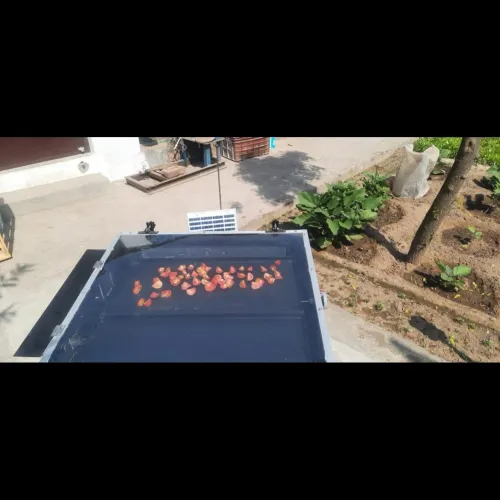
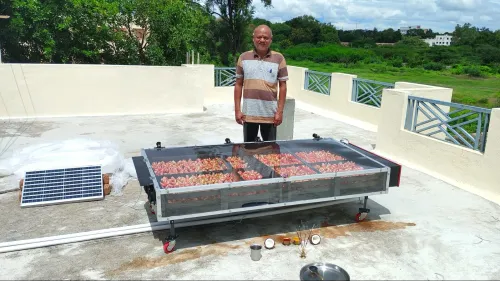
A solar dryer is a piece of equipment that can assist them in this endeavor.
About Rudra Solar Energy
The Rudra Solar Energy company has been manufacturing solar drying equipment since its foundation in 2006. The company holds experience in the field, with its machines having been applied to agricultural and food-processing contexts. Thus, farmers, FPOs, SHGs, and entrepreneurs who wish to begin processing foodstuffs in Wanaparthy may contact the company to develop a concept for their production, one that would take into account their product and their projected throughput.
Why Are Solar Dryers Being Considered?
Fresh foodstuffs have a limited window of applicability after harvest or picking. Turning them into processed goods, however, grants them a considerably longer shelf life and better opportunities for sales, albeit with due consideration for the market that the product will be sold into. As such, turning into dried goods can be a viable way to diversify for certain products, like mangoes, although this opportunity is by no means exclusive to it. The equipment required for such a venture is a solar dryer, which has the advantage of being able to provide a controlled environment for drying, as opposed to more traditional methods.
It should be noted, however, that the opportunity is not without its drawbacks, as the product that the dryer is applied to must be suitable for the process and have a viable market.
Considerations for Drying Mango in Wanaparthy
Mango is the crop that has the strongest potential in the local context, as it has both significant local production and a strong demand for it. As such, it bears special consideration as a potential product for solar drying. Processors that are considering the switch should note that they may have to prepare a dedicated plan for their production. It should also be noted that the potential market for the dried fruit can vary greatly, as can the specifications of the product.
The raw material also plays a role, as there must be a consistent supply of suitable fruit for processing. The manner in which the fruit is sliced and prepared for drying, along with the conditions of the solar dryer and its operation, will also impact the process. Thus, the processor should establish a set of specifications for their product, rather than attempting to use the same recipe across different materials. Another matter to consider is the seasonal nature of mango production, with a significant portion of the yield typically coming in a relatively short window. If the processor expects most of their yield to come in one season, they will have to consider the capabilities of their equipment in terms of quantity. It is unwise to begin with excessive equipment when a smaller batch dryer would be more appropriate for a smaller yield and a limited market.
It is also worth noting, for any processor that is considering a switch to dried goods, that it may be a good idea to analyze the market before investing in large-scale production. In particular, it is a good idea to identify potential buyers for the product, as a solar dryer is only useful if there is a market for the product.
Are There Other Agricultural Goods Worth Considering?
There are several agricultural goods that may be considered alongside horticultural crops. Groundnut, paddy, maize, and red gram are all cereals or legumes that can be found in the region, alongside various vegetables and spices. The manner in which they can be used depends on the intended application. Groundnut, in particular, has a special status as it is part of the One District One Product scheme. However, it should also be noted that processing groundnut requires different equipment, as it is not typically dried. Cleaned, sorted, roasted, and milled groundnut may be considered, but a cabinet solar dryer may not necessarily be the appropriate technology for this kind of processing.
Spices and herbs that are suitable for drying, as well as vegetables like tomatoes or onions, may also be considered as a complement to the production of dried fruits. However, it is important to understand which products and materials are viable for a solar drying machine before choosing one. In particular, the equipment required to process such goods as groundnut or spices would be significantly different from what would be necessary for mango slices or even vegetables. It is vital to identify the intended application and the product that it will be applied to before choosing equipment.
Selecting a Solar Dryer Configuration That Meets Your Needs
When it comes to choosing the machine itself, the advertised capacity is only one factor among several that should be considered. Particular attention should be paid to the processes that will occur before and after the actual drying runs. When it comes to the product, identifying the intended application is vital, as certain products may have specific requirements. The fresh input quantity should also be determined, as it will define the volume of material that the processor will be able to handle at a time. It should also be noted that the fresh weight will typically exceed the final dried weight.
It is important to consider the manner in which the material will have to be laid out and removed, as this will make up the majority of the interaction with the machine. This largely depends on the trays, which in turn should be chosen in accordance with the product and the conditions of operation. Particular attention should be paid to the requirements of the machine, such as the temperature range that it can operate at, and the manner in which it should be operated, as well as the conditions it will be exposed to. The structure of the machine, including the frame, chamber, trays, and materials that will come into contact with food, is also vital, as it will affect the maintenance and cleaning procedures.
Solar energy is the primary source of heat for such equipment, and it is important to understand if the intended application will require supplementary electric or biomass heating. Finally, it is important to consider maintenance, as well as the service and support contracts provided by the supplier. A reliable and high-quality solar dryer is necessary to obtain consistent results. For an aspiring processor, a top-tier model can be a considerable investment, and thus, it is important to ensure that it has the necessary specifications for the intended application before making the purchase.
How Much Capacity Do I Need?
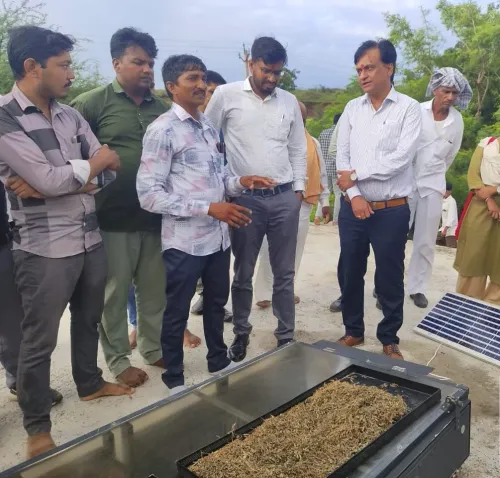
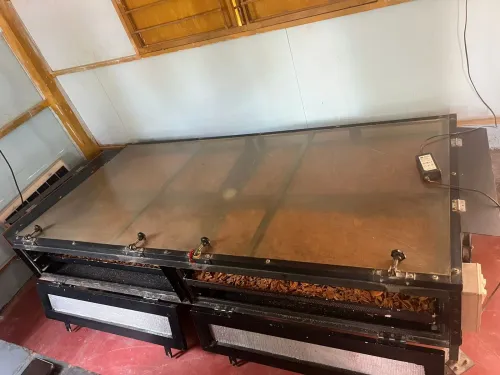
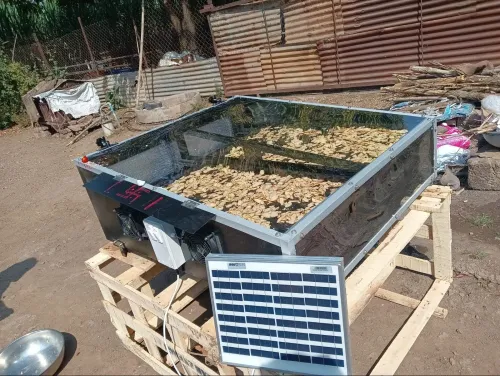
The Rudra Solar Energy company offers a wide variety of cabinet solar dryers that can serve agricultural and other food-processing purposes. The capacity of these machines can vary significantly from around 5 kg of fresh produce per batch to up to 500 kg per batch, depending on the application. It is important to remember to confirm the details of the intended machine before purchasing it.
User or businessConsiderationsIndividual farmerQuantity of suitable produce available at a given timeSmall entrepreneurBatch size, labor, and preparation spaceSHG or FPOCombined supply and responsibilities for operating the unitFood-processing businessRegular production needs and product specificationsCommercial processorBatch handling and the wider production workflow
When choosing the capacity of the machine, it is important to keep in mind the projected supply of material and the ability of the processor to handle it. If considering processing seasonal produce like mango, the needs of a small-scale farmer will be considerably different from that of a commercial processor that plans to operate year-round. It is also necessary to keep in mind that the fresh weight of the material will greatly exceed the final dried weight.
Solar Dryers for Agricultural Produce for FPOs, SHGs, and Rural Entrepreneurs
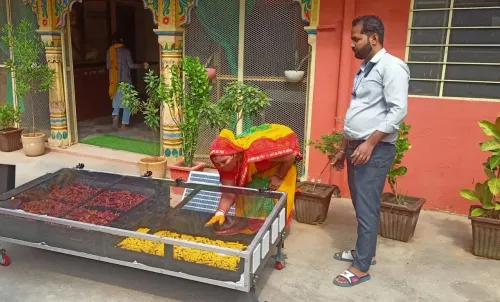
A shared unit can serve to process agricultural produce for a group of individuals, but it is important to establish the manner in which it will be operated. Particular attention should be paid to the logistics of the process, such as the sourcing and preparation of the material, as well as record-keeping, the storage of the finished product, and the sales, as these will define the usefulness of a shared machine. An FPO, for instance, may serve to coordinate the sales of material from multiple farmers, while an SHG may be looking to install its first processing unit. It is important for such cooperatives to estimate their projected needs and resources before selecting the equipment. When it comes to such buyers, a commercial-grade solar dryer can be an essential part of their operations, with other equipment, such as grinders, mills, or packers, needing to be considered separately.
Why Choose Rudra Solar Energy?
The Rudra Solar Energy company, based in Ahmedabad, Gujarat, has been manufacturing solar equipment since 2006. The company’s production catalog features solar dryers, which can be applied to a variety of different materials, as noted above. The most important step for any buyer in Wanaparthy is to establish the intended application for the machine.
It should be noted that the processing of agricultural goods typically entails significant preparation, with the moisture content of the material often needing to be reduced before other operations can be performed. Particular attention should be paid to the manner in which the machine will be operated. The capacity, structural properties, and operating conditions should be identified in accordance with the intended application. As such, a prospective buyer should contact the company to identify the relevant specifications in accordance with their product, the expected quantity of fresh material per batch, and their logistical considerations.
For example, a farmer that is considering diversifying into dried mango will have significantly different requirements from a cooperative that is considering a shared processing unit. Likewise, a commercial processor that is looking to equip its facilities with a solar dryer will need to consider different factors from an individual farmer. In any case, it is important to request specific specifications before choosing a machine configuration.
Solar Dryer Manufacturer and Supplier in Wanaparthy, Telangana
If you are looking for a solar dryer manufacturer or supplier in Wanaparthy, feel free to contact Rudra Solar Energy to discuss your options. You may begin the conversation by specifying the agricultural or food-processing application that you have in mind. Particular attention should be paid to the material that you are considering and the expected size of each batch, as this will dictate the characteristics of the machine. If you are looking to establish a continuous production process, this will also need to be specified.
Frequently Asked Questions
1. Can I get a solar dryer for my business in Wanaparthy?
You can contact Rudra Solar Energy to discuss the equipment that would be suitable for your application. You may begin by describing the product that you are considering and the expected size of each batch.
2. Is mango suitable for solar drying?
Mango can be turned into a variety of dried goods, but a method and a recipe must be chosen for the intended application. It is important to consider that the fruit will typically need to be prepared before being dried.
3. Can a solar dryer be used for groundnut?
It depends on the intended application, as groundnut can be processed into a variety of products. Roasting, cleaning, and milling are entirely different processes, and thus a solar dryer may not be suitable for some operations. It is best to contact the company to discuss the intended application.
4. What capacity solar dryer is available?
The company’s cabinet solar dryers have a wide range of capacities, from around 5 kg of fresh produce per batch to 500 kg per batch. The specifications of the intended machine should be discussed separately.
5. Can I dry different products in one machine?
It is possible that some configurations may be suitable for more than one type of material, but it is best to contact the company to discuss the specifications and requirements of the intended application.
6. How long does solar drying take?
The duration of the drying process depends on the material, its initial level of moisture, the manner in which it has been prepared, the conditions of drying, and the characteristics of the machine. There is no universal answer, as the process can vary significantly between different materials and production conditions.
7. Does a solar dryer also grind and package the product?
Solar dryers are primarily concerned with the removal of moisture from the material, and thus grinding and milling must be done separately. Packaging, as well, typically requires additional equipment.
8. How can I request a quotation?
You can contact Rudra Solar Energy to discuss your needs and the characteristics of the intended machine. You can describe the application, the material that you are considering, and the expected size of each batch.
Discuss Your Solar Drying Requirements
Do you want to consider solar drying for mango in Wanaparthy? Feel free to contact Rudra Solar Energy to discuss the matter.
Phone: 9429446671 / 7041262332
Email: rudrasolar@gmail.com
Website: https://rudrasolar.in/
Keywords