Solar Dryer in Vikarabad, Telangana – Reliable Solar Drying Solutions for Agriculture and Food Processing
Vikarabad district has a strong agricultural base, with farming and allied activities playing an important role in the local economy. The district is known for agricultural production around Tandur, including Tandur Redgram, while farmers also cultivate crops such as paddy, maize, pulses, groundnut and cotton. Horticultural produce creates additional opportunities for processing, preservation and value addition.
For farmers, Farmer Producer Organisations (FPOs), self-help groups (SHGs), agricultural entrepreneurs and food-processing businesses, post-harvest handling is an important part of building a more organised supply chain. A suitable solar dryer can help remove moisture from selected agricultural products under controlled drying conditions, depending on the crop, dryer design and operating environment.
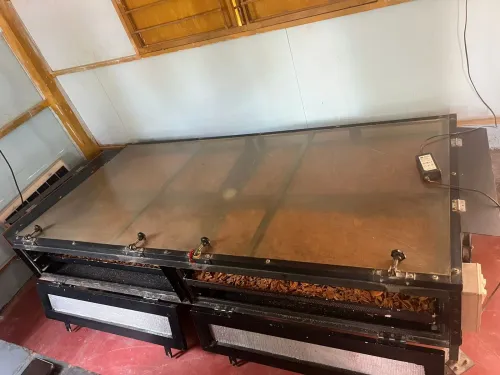
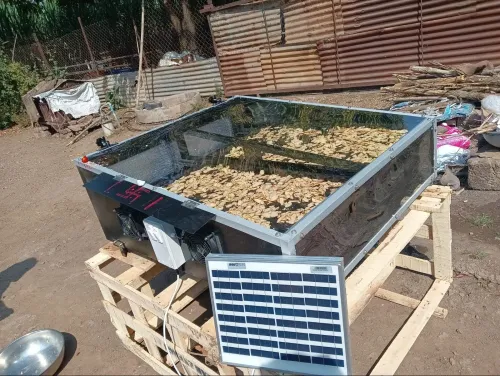
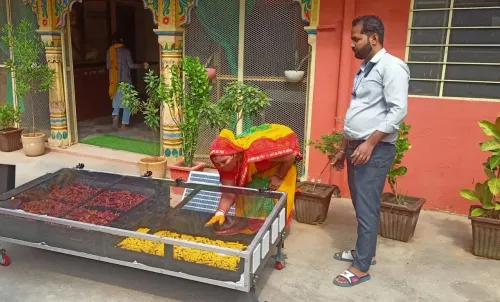
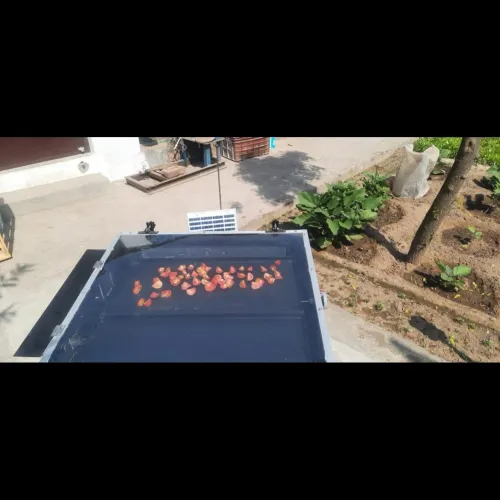
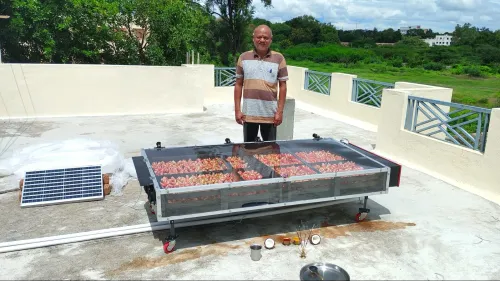
Rudra Solar Energy provides solar drying solutions for different agricultural and food-processing applications. Businesses looking for a solar dryer in Vikarabad can explore suitable machine options based on the type of produce, fresh input quantity per batch, required drying process and available working space.
Why Solar Drying Is Relevant for Vikarabad
Agricultural produce can be difficult to handle when moisture levels are high. Open-sun drying may expose products to dust, insects, unexpected rain and other environmental conditions. Results can also vary with weather, product preparation and the way produce is spread during drying.
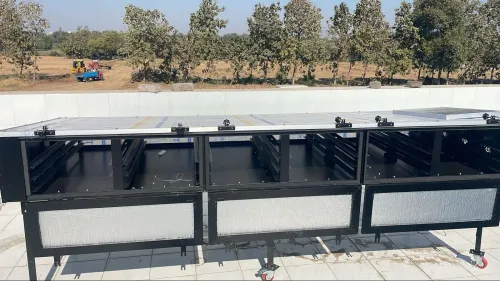
A properly selected solar drying machine provides an alternative for drying suitable produce within an enclosed system. Depending on the model, design and crop requirements, it may help businesses organise drying operations and handle produce more consistently than an unmanaged open-sun method.
Solar drying may be worth evaluating for:
- Farmers and agricultural entrepreneurs processing their own produce.
- FPOs and cooperatives planning shared post-harvest facilities.
- SHGs and rural enterprises exploring food-processing activities.
- Small and medium food-processing units handling agricultural raw materials.
- Commercial businesses looking to add drying to their existing processing workflow.
The right machine depends on the actual product and operating requirements. Solar drying reduces moisture; it does not replace separate processes such as grinding, milling, sterilisation or packaging.
Solar Drying Opportunities for Tandur Redgram and Other Pulses
Tandur is particularly associated with redgram, also known as pigeon pea or tur. The crop is an important part of the area's agricultural identity, and the district also grows other pulses.
However, redgram intended for grain markets generally follows a different post-harvest process from products such as sliced vegetables, herbs or fruit. Solar drying should therefore be evaluated according to the exact stage and purpose of processing rather than assumed to be necessary for every redgram harvest.
For a business handling pulse-based products or developing value-added food products, a solar dryer may be relevant where the product and process require moisture reduction. Before selecting equipment, the operator should confirm the raw material's condition, target moisture level, batch quantity and intended end use.
For farmers and processors in Vikarabad, the practical first step is to identify the product that needs drying. A high-quality, reliable solar drying system should be selected around that requirement rather than simply choosing the largest available machine.
Solar Dryer Applications for Fruits and Vegetables
Horticultural produce can offer opportunities for small-scale and commercial processing. Fruits and vegetables often have substantial moisture content, and their suitability for drying depends on variety, ripeness, preparation, desired final product and market requirements.
Potential applications to evaluate in Vikarabad include:
Fruit Drying
Suitable fruit products may include mango, banana, guava and other fruits handled by local growers or food-processing businesses. Depending on the product, fruits may require washing, peeling, slicing or other preparation before loading into the dryer.
A commercial solar fruit dryer can provide a dedicated space for drying prepared fruit. The machine capacity and tray arrangement should suit the size and thickness of the pieces being processed.
Vegetable Drying
Selected vegetables can be processed into dried ingredients for household use, food manufacturing or other suitable markets. Washing, cutting, blanching and other preparation steps depend on the vegetable and the intended finished product.
An efficient solar vegetable dryer should be selected according to the product's moisture content, required airflow, loading depth and drying specifications. A single setting should not be assumed to work equally well for every vegetable.
Leafy Vegetables and Herbs
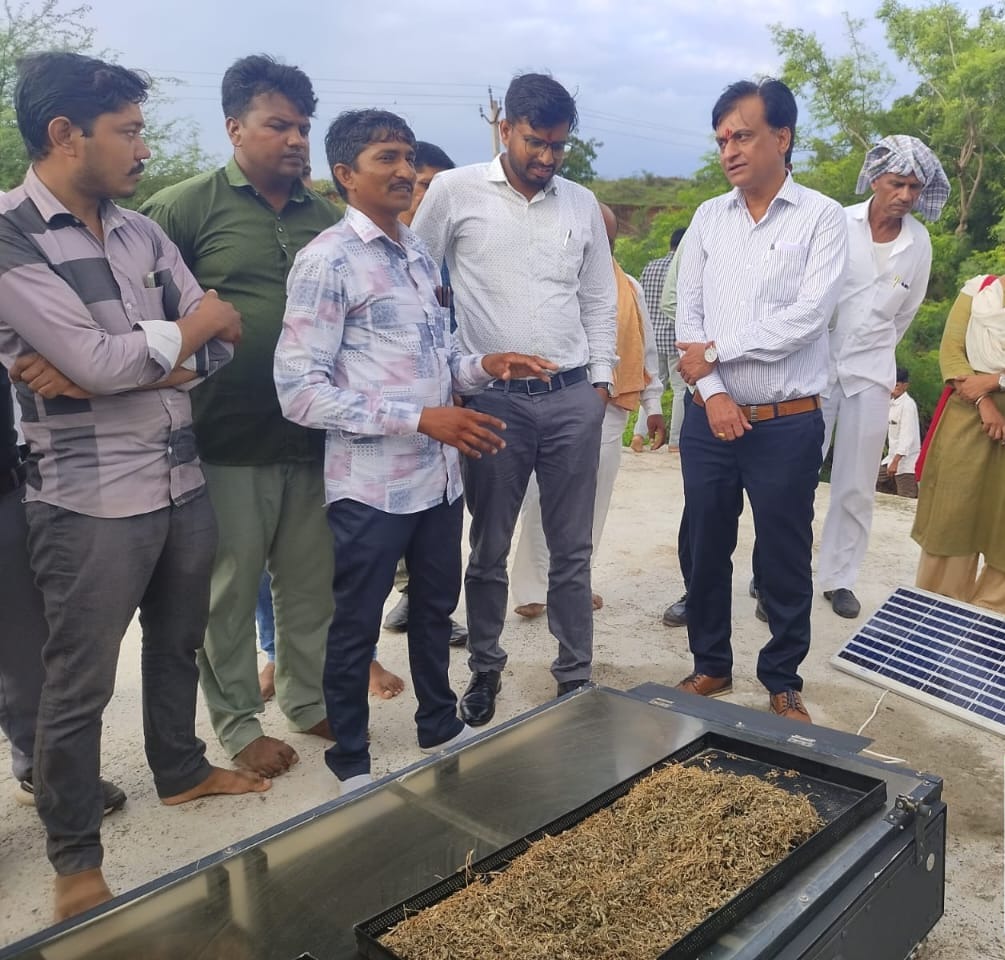
Certain leafy vegetables and herbs may be suitable for drying when handled with the right preparation and drying conditions. These products can be sensitive to excessive heat, uneven airflow and unsuitable handling.
A suitable dryer should be assessed for temperature control, airflow, hygiene, tray access and the needs of the particular product. Food-grade contact surfaces should be confirmed against the specifications of the model being considered.
Solar Drying for Chillies and Other Agricultural Produce
Chillies and selected spices can be considered for solar drying where the process is appropriate for the raw material and the target market. Moisture reduction, colour requirements, product cleanliness and final moisture specifications all matter.
A solar spice dryer may help processors organise drying in an enclosed system, but the result depends on the crop condition, loading, airflow, weather and machine design. Buyers should confirm whether the selected model is suitable for whole chillies, cut material or another specific product before purchasing.
Other agricultural products, including selected grains, seeds and oilseeds, may also require drying in particular circumstances. The appropriate method depends on the commodity, its moisture level, storage requirements and intended use. Not every grain or pulse application necessarily requires a dedicated solar dryer.
Solar Dryers for Farmers, FPOs, SHGs and Food Businesses
A solar drying project can be considered at different operating scales. Individual farmers may need a smaller unit for a defined batch, while an FPO, cooperative or food-processing enterprise may require a larger machine for regular production.
Before investing in a solar dryer in Vikarabad, buyers should assess the following:
- Produce type: Identify the exact fruit, vegetable, herb, spice or other material to be dried.
- Fresh input per batch: Estimate how much raw produce will enter the machine in one batch. Fresh input capacity is not the same as dried output.
- Seasonality: Consider whether the machine will be used throughout the year or mainly during particular harvest periods.
- Preparation requirements: Determine whether washing, slicing, blanching or other preparation is needed.
- Drying conditions: Establish the desired final moisture level and product quality requirements.
- Space and workflow: Check the space needed for preparation, loading, unloading and storage.
- Operating conditions: Evaluate sunlight availability, ambient humidity, ventilation and the need for any model-specific backup arrangement.
- Budget and support: Compare machine specifications, installation requirements, maintenance needs and supplier support.
A professional assessment of these factors helps buyers select an appropriate and durable machine rather than relying on capacity or price alone.
How to Choose the Best Solar Dryer in Vikarabad
The best solar dryer is the one that suits the product, batch size, process and operating conditions of the buyer. A premium-looking machine or a larger capacity does not automatically make it the right choice.
When comparing solar drying machines, consider:
1. Suitable capacity: Choose according to the quantity of fresh produce processed per batch and the expected frequency of operation.
2. Airflow and drying arrangement: The tray layout and airflow should suit the product and help support uniform drying when the machine is operated correctly.
3. Temperature requirements: Different crops and products may need different drying conditions. Confirm the operating range and control features of the selected model.
4. Construction and hygiene: Check the body, trays, contact surfaces and cleaning requirements. Stainless steel grades or food-grade materials should be confirmed from the model's documented specifications.
5. Weather and backup requirements: Solar drying performance varies with sunlight, humidity and other environmental factors. Ask whether the particular model offers an additional heating option if the operation requires one; do not assume every model includes a backup system.
6. Maintenance and service: Consider cleaning access, replacement parts, technical assistance and the supplier's ability to guide you on operation.
7. Product-specific suitability: Ask the manufacturer whether the machine is suitable for your exact crop and target product before making a final decision.
Solar Dryer Capacity and Selection Guide
The following table is a practical selection guide, not a guarantee of output or a claim that every capacity is available in every configuration.
Business requirementWhat to evaluateSmall-scale processingA compact dryer suited to the quantity of produce available per batchFarmer or SHG enterpriseBatch capacity, tray arrangement and the range of products to be processedFPO or cooperative facilityExpected combined fresh input, harvest season and operating scheduleSmall food-processing unitProduct-specific drying conditions, workflow and hygiene requirementsLarger commercial operationRequired throughput, number of batches, available space and model configuration
Rudra Solar Energy's general cabinet dryer range has previously been described as approximately 5–500 kg of fresh input per batch, depending on the model. Buyers should confirm the capacity, construction, temperature range and other specifications of the exact machine being considered.
Why Consider Rudra Solar Energy?
Rudra Solar Energy is an Ahmedabad-based manufacturer established in 2006, with solar dryers as a key product category. Its drying solutions can be evaluated by farmers, entrepreneurs and food-processing businesses looking for equipment suited to their agricultural products and operating requirements.
For buyers in Vikarabad and surrounding areas, the selection process should begin with the product to be dried, the fresh input quantity per batch and the required drying conditions. This makes it easier to identify a suitable machine instead of relying on generic capacity or performance claims.
When comparing a solar dryer manufacturer in India, buyers should review documented product specifications, materials, operating requirements and the availability of technical guidance. A reliable supplier should be able to explain what the selected model is designed to handle and which process steps remain separate.
Frequently Asked Questions
1. Where can I find a solar dryer in Vikarabad?
You can contact Rudra Solar Energy to discuss suitable solar dryer options for your product, batch size and operating requirements. Confirm the specifications and availability of the selected model before placing an order.
2. Is a solar dryer suitable for Tandur Redgram?
Suitability depends on the specific processing stage and intended product. Redgram for grain markets may follow a different post-harvest process from sliced or prepared food products. Explain your exact application to the manufacturer before selecting a dryer.
3. Can a solar dryer be used for fruits and vegetables?
Yes, suitable fruits and vegetables can be dried in appropriately designed solar dryers. Preparation, tray loading, temperature, airflow and the desired final moisture level depend on the product.
4. Can solar dryers be used for chillies and spices?
Selected chillies and spices may be suitable for solar drying. Confirm that the model is appropriate for the material, preparation method and required product quality.
5. What capacity solar dryer should I choose?
Choose capacity according to the amount of fresh produce processed per batch, the product type and your operating schedule. Fresh input capacity should not be confused with the weight of the final dried product.
6. Does a solar dryer work during cloudy or rainy weather?
Drying performance can be affected by sunlight, humidity and ambient conditions. The extent of the effect depends on the machine design and operating environment. Ask the manufacturer whether the specific model has a suitable additional heating option if your process requires it.
7. Is a solar dryer suitable for FPOs and SHGs?
It may be suitable for an FPO, SHG or rural enterprise that has an appropriate product, sufficient raw material and a viable processing plan. Capacity, seasonality, labour, preparation and market requirements should be assessed before investment.
8. How can I request a quote for a solar drying machine?
Contact Rudra Solar Energy with the product name, approximate fresh input quantity per batch, preferred location and intended application. This information helps the team assess suitable models and provide relevant specifications and pricing.
Contact Rudra Solar Energy
Looking for a reliable solar dryer manufacturer for your agricultural or food-processing application in Vikarabad, Telangana?
Discuss your product, batch capacity and operating requirements with Rudra Solar Energy to identify a suitable solar drying solution.
Phone: 9429446671 / 7041262332
Email: rudrasolar@gmail.com
Website: https://rudrasolar.in/
Contact the team for model-specific details, availability and a quotation.
Keywords