Solar Dryer in Hanamkonda, Telangana – High Quality Solar Drying Solutions for Farmers & Businesses
Hanamkonda, along with the broader Warangal region, shares a deep-rooted link with agriculture, food processing and rural enterprise. Among the key crops cultivated in the district are paddy, maize, cotton, groundnut and pulses. Beyond primary crop production, farmers, small businesses and food processors have opportunities to pursue value addition using appropriate processing methods.
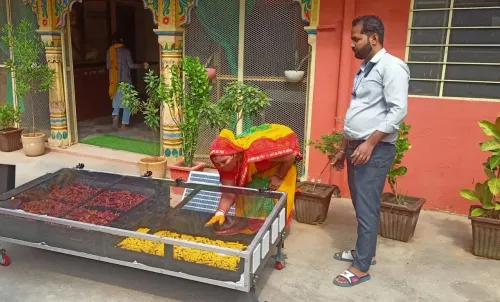
Solar drying proves valuable when agricultural produce must be turned into a dried product for storage, further processing or sale. Fruits, vegetables, leafy produce, herbs and certain spices may also be appropriate for drying, depending on the crop and the target market. The correct approach hinges on the raw material, its moisture content, the final quality required and the volume available for processing.
For farmers and entrepreneurs in Hanamkonda, a carefully chosen solar drying system can serve as an alternative to conventional open-sun drying, especially where greater control over the drying environment matters.
About Rudra Solar Energy
Rudra Solar Energy is an Indian manufacturer of solar thermal products, founded in 2006 and headquartered in Ahmedabad, Gujarat. The company produces solar dryers along with other solar thermal products for agricultural, food-processing and commercial uses.
Its line of solar dryers is built to meet varied operating needs, ranging from small-scale users to larger processing businesses. The most suitable model depends on the product being dried, the fresh input per batch, the space available and how often the system is expected to operate.
For customers in Hanamkonda, the goal is not merely to buy a machine. It is to find a practical drying setup that fits the crop, the available supply and the intended use of the dried material.
Why Are Solar Dryers Being Considered in Hanamkonda?
Traditional sun drying is still familiar to many agricultural communities, yet it can leave produce exposed to dust, insects, unexpected rain and other environmental factors. Drying can also become hard to manage when weather conditions shift mid-process.
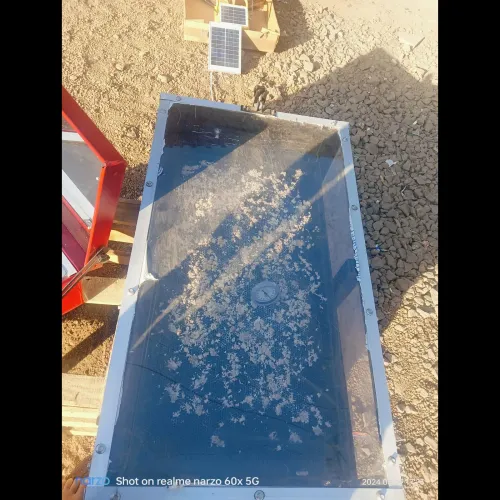
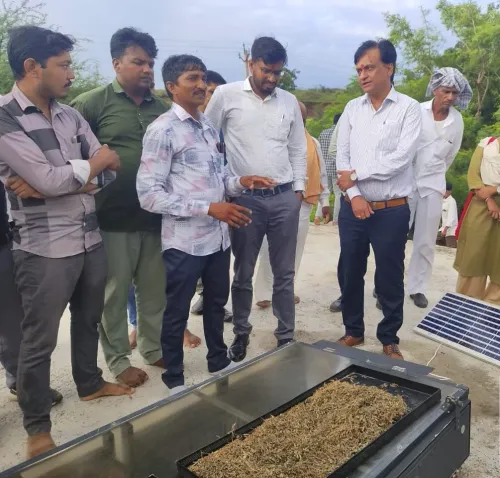
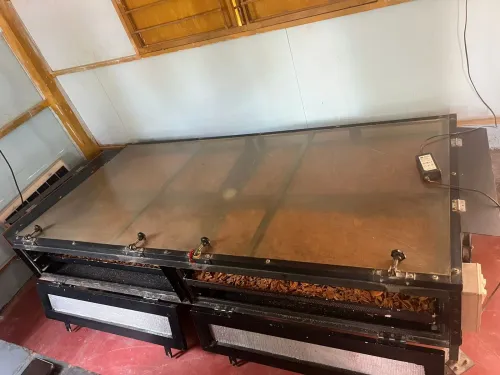
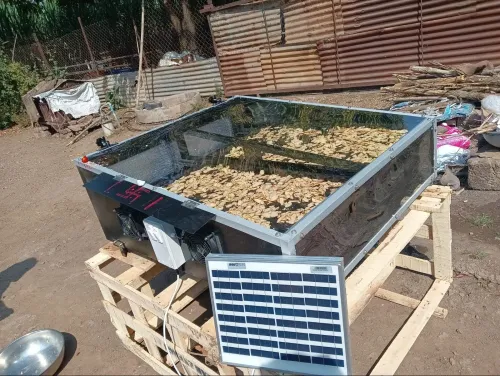
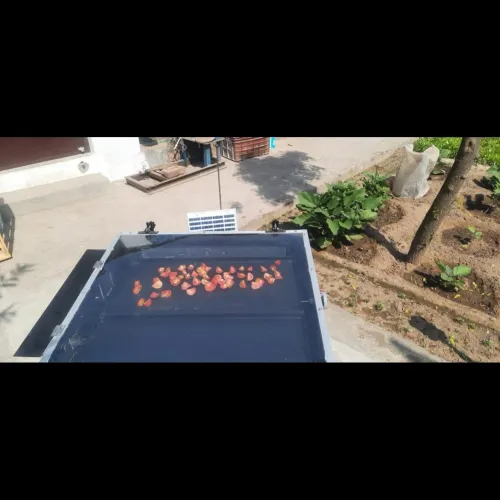
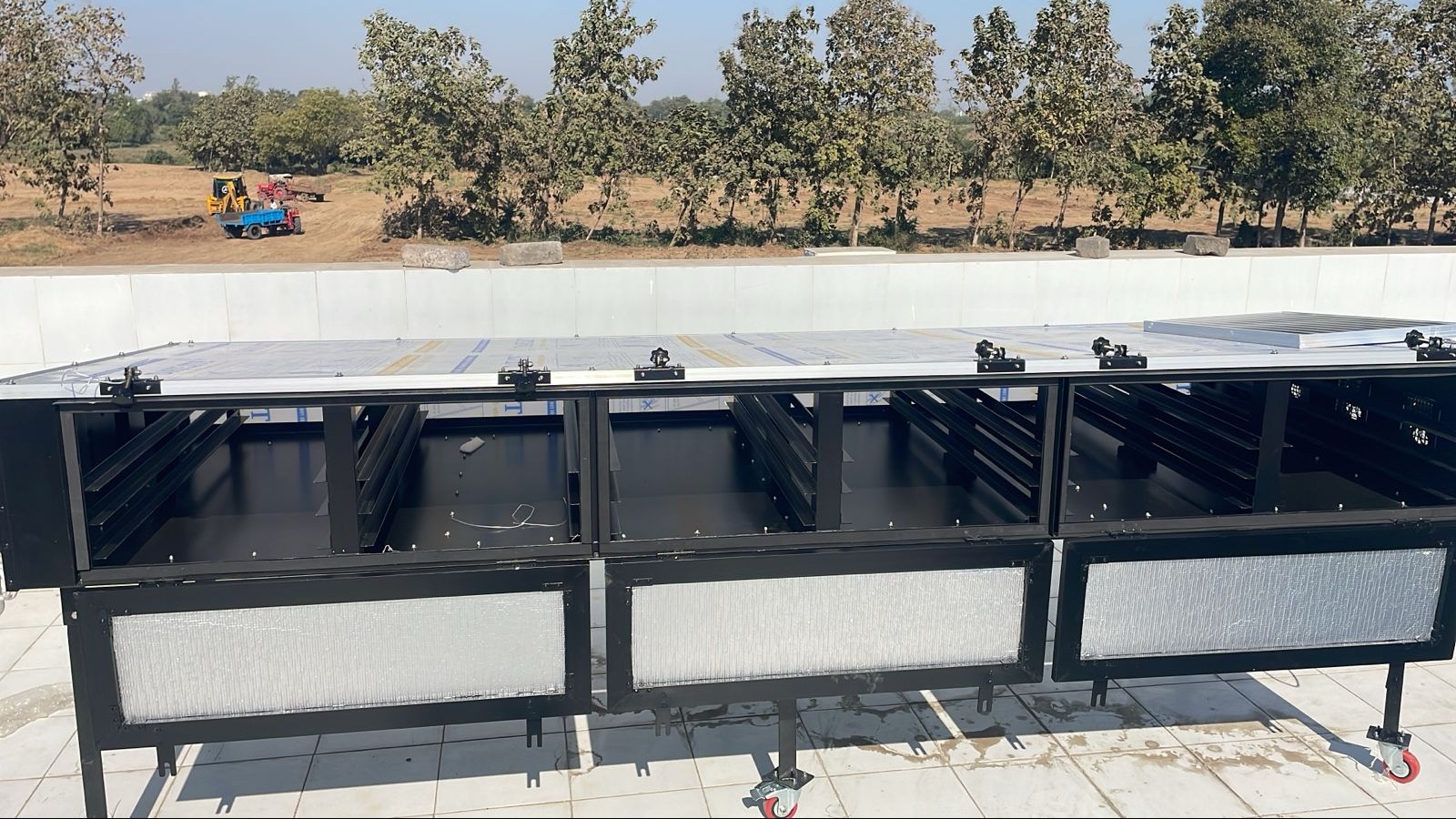
An enclosed solar dryer offers a more controlled setting for removing moisture. Depending on the model and application, it can help users run drying operations more consistently than simply leaving produce out in the open.
For farmers, self-help groups (SHGs), Farmer Producer Organisations (FPOs) and food-processing businesses, the key factors usually involve:
A drying setting with greater control: A closed chamber can help limit direct contact with dust and insects outdoors.
Reliance on solar energy: Solar heat may lessen the need for purchased fuel under suitable operating conditions.
Adding value: Certain agricultural products can be turned into dried forms for specific buyers or uses.
Opportunities for small businesses: Entrepreneurs can evaluate whether dried products suit their local market, customer base and raw material supply.
Options for flexible capacity: Various dryer configurations can be taken into account based on the quantity processed in each batch.
Real drying results depend on sunlight, surrounding humidity, airflow, the amount loaded, preparation methods and the nature of the product. A solar dryer is a system for removing moisture; it does not take the place of cooking, sterilisation or other processing steps a product might need.
Agricultural Produce That May Be Appropriate for Solar Drying
Hanamkonda's agricultural economy covers major field crops, while local food businesses may also work with fruits, vegetables, herbs and spices. Each product's suitability ought to be judged individually instead of assuming that all crops can be processed in the same manner.
Vegetables and leafy produce: Certain vegetables and leafy materials can be dried for use in food preparation or further processing. Washing, cutting, loading thickness and the final moisture level required all affect the outcome.
Fruits: Mango, banana and other suitable fruits may be considered when the raw material is available and a market exists for the dried product. The type of fruit, its ripeness and the thickness of slices all influence the drying process.
Chilli and selected spices: Drying may be applicable to suitable chilli and spice products, subject to the required colour, aroma, moisture level and buyer specifications. Every commodity requires a suitable drying procedure.
Herbs and specialty products: Herbs and other chosen agricultural materials may present opportunities for small-scale processing. Whether they are suitable depends on the intended use and the quality standards the buyer expects.
Selected grains, seeds and pulses: These products should be assessed based on how they are intended to be used. The moisture level and handling conditions must first be determined, since drying requirements for food products can vary from those for seed storage or other uses.
Before choosing a machine, it helps to determine the specific commodity, the form in which it will be fed into the dryer, and the condition desired after drying.
Factors to Consider When Drying Agricultural Produce in Hanamkonda
Not every product will achieve the same results from the same solar dryer. An appropriate setup starts with a thorough understanding of the material being processed.
Fresh produce usually needs to be cleaned and prepared properly before it is loaded. Pieces or slices that are fairly uniform in size can simplify the management of the drying process. Putting too much on the trays can limit airflow and cause uneven drying.
Another practical factor is seasonal availability. A farmer drying a small amount at harvest may have needs that differ from those of an entrepreneur who buys produce from multiple growers year-round.
Buyers should also take into account the space available for installation, sunlight access, how many batches they plan to process, and whether the dried product will be sold directly or supplied to another processor. When a buyer states a specific moisture level, colour, or other quality requirement, that specification should inform the selection and testing process.
For bigger operations, running a trial with the actual commodity is a wise step before setting up routine production.
Choosing a Solar Dryer Configuration That Fits Your Requirements
The right capacity depends on how much fresh produce is available per batch and how many batches are planned. It should not be selected merely by picking the largest model on offer.
A small farmer or household-level user may only need a compact unit for occasional processing. An SHG or small entrepreneur may need a model suited to regular batches, whereas an FPO or commercial processor may require a larger setup based on pooled produce and planned production volumes.
Rudra Solar Energy provides solar dryer configurations in a range of capacities. The best option should be discussed with the manufacturer, using the actual product and operating requirements.
What Amount of Capacity Is Required?
Type of user
Points to keep in mind
Solo farmer
The volume of produce on hand after harvest, and whether drying happens only now and then or on a regular basis
Small-scale entrepreneur
Day-to-day or weekly availability of raw material, workforce, and the probable demand for dried goods
SHG or FPO
Total produce contributed by members, the collection timetable, and how many batches are needed
Food-processing enterprise
Product requirements, how often processing occurs, the space available, and production planning
Commercial processor
A steady flow of raw material, the throughput expected, and the quality standards set by buyers
Solar dryer capacity is usually expressed in terms of the fresh material loaded per batch. The dried output at the end will be smaller since moisture is removed, and how much it drops varies greatly from one commodity to another. So a capacity estimate ought to be calculated on the basis of the fresh input, not the weight of the finished product.
Solar Dryers for FPOs, SHGs and Rural Entrepreneurs
For farmer groups and rural entrepreneurs in Hanamkonda, solar drying could be worth considering as one element of a broader value-addition strategy. An FPO can work out how much suitable produce it collects from its members, while an SHG or small business can start by pinpointing one or two products with a clear potential use or buyer.
More than just the price of the machine determines whether the business case holds up. The practicality of an operation depends on raw-material availability, sorting and preparation, labour, packaging, transport, product quality and market access.
Before you commit to a specific product or production volume, it is useful to talk with potential buyers. A small trial can, where possible, help determine whether the dried product satisfies the expected quality requirements.
A suitable solar dryer can assist with this process, but on its own it cannot ensure sales, greater profits or a specific shelf life. Such outcomes rest on the entire processing and marketing arrangement.
Why Select Rudra Solar Energy?
Rudra Solar Energy has experience in developing and manufacturing solar thermal products, and its operations are located in Ahmedabad, Gujarat. Its range of solar dryers caters to various user groups, such as farmers, entrepreneurs and food-processing businesses.
Customers thinking about a solar dryer can talk over their application with the company and weigh the options against their real needs.
Established manufacturer: Rudra Solar Energy has been in operation since 2006.
Several capacity options: Dryer selection can be guided by the quantity of fresh input and the intended application.
Agricultural applications: Appropriate fruits, vegetables, herbs, spices and other products can be evaluated for drying.
Selection based on application: The crop, preparation method, operating conditions and target output should determine the choice of equipment.
Help with product selection: Customers can provide their location, commodity and expected batch size to discuss a suitable configuration.
A dependable purchase decision begins with accurate information about the product to be dried and the work the machine is expected to do.
Solar Dryer Manufacturer and Supplier for Hanamkonda, Telangana
Farmers, FPOs, SHGs, entrepreneurs and food-processing businesses in Hanamkonda can get in touch with Rudra Solar Energy to discuss solar drying equipment for their applications.
When submitting an enquiry, include the name of the crop or product, the approximate quantity of fresh material available per batch, the number of batches expected and the intended use of the dried output. These details allow the manufacturer to understand the requirement and recommend a suitable configuration.
Whether the need involves small-scale agricultural processing or a larger commercial application, the machine should be chosen around the actual operating conditions rather than capacity alone.
Frequently Asked Questions
1. Would a solar dryer be a good fit for farmers located in Hanamkonda?
It could work well for farmers who have a suitable product to dry, sufficient sunlight, and a realistic use or market for what comes out of the dryer. Before selecting a model, the crop and the quality level needed should be assessed.
2. What kinds of products are suitable for drying in a solar dryer?
Based on the model and the process used, appropriate items might include fruits, vegetables, leafy greens, herbs, spices, and certain other agricultural materials. Every commodity comes with its own preparation and drying needs.
3. Is it possible to use a solar dryer for mangoes and other fruits?
Yes, fruits that are suitable, such as mango, can be considered for solar drying. The level of ripeness, the thickness of the slices, the airflow, and the desired final moisture content all affect the process, so the method should be tailored to the particular fruit.
4. What capacity of solar dryer should I select?
Begin by considering how much fresh produce you have per batch and how frequently you plan to run the machine. You should also factor in the dried output you need, since after moisture is removed the finished weight will be less than the fresh input.
5. Does solar drying outperform drying in the open sun?
A solar dryer that is enclosed can provide improved shielding from direct contact with dust and insects, along with a drying environment that is more controlled. The outcome continues to hinge on the equipment, weather, loading, and operating practices.
6. Could an SHG or FPO employ a solar dryer for value addition?
Yes, an SHG or FPO may consider solar drying for appropriate produce gathered from its members. Prior to making an investment, it ought to evaluate the supply of raw material, buyer specifications, processing expenses, and the volume that can be managed consistently.
7. Is fuel or electricity needed for a solar dryer?
Solar dryers rely on solar heat to carry out drying. The energy needs of any extra fan, control system, or optional backup setup vary with the specific model, so these particulars should be verified prior to purchase.
8. How do I make an enquiry about a solar dryer for Hanamkonda?
Reach out to Rudra Solar Energy with your location, the product name, the fresh-input quantity per batch, and the intended application. This information will assist the team in discussing a solar dryer configuration suited to your requirements.
Discuss Your Solar Drying Requirements
Are you seeking a suitable solar dryer for your farm, FPO, SHG, or food-processing business in Hanamkonda, Telangana? Get in touch with Rudra Solar Energy to talk over your product, capacity, and application.
Rudra Solar Energy
Phone: +91 9429446671 / +91 7041262332
Email: rudrasolar@gmail.com
Website: https://rudrasolar.in/
Provide details about your crop or product, the anticipated amount of fresh input per batch, and your location so we can start exploring a solar drying solution that fits your needs.
Keywords