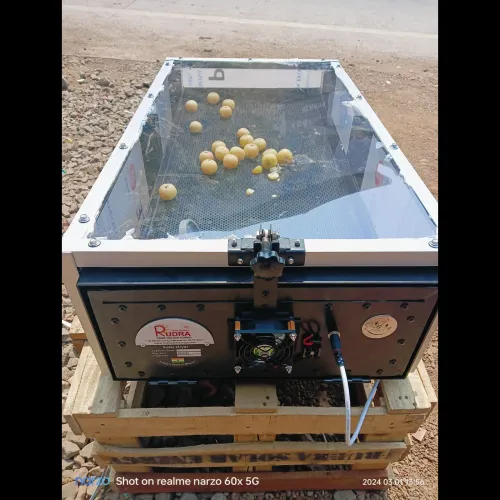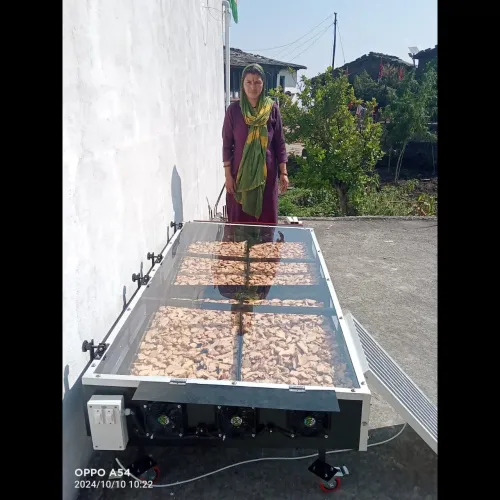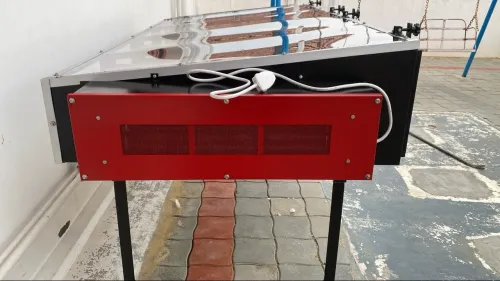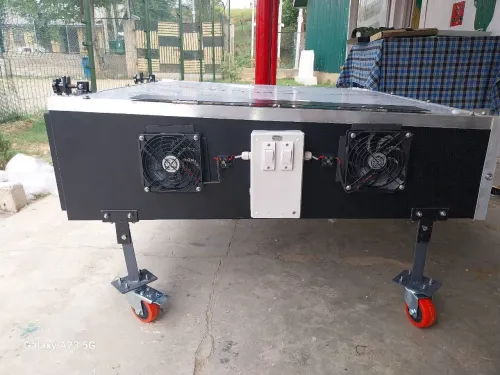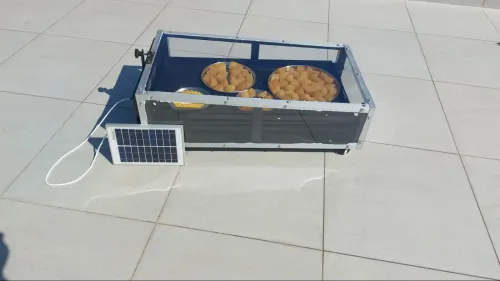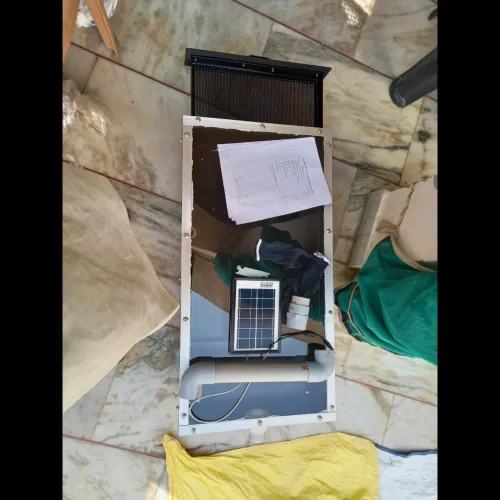
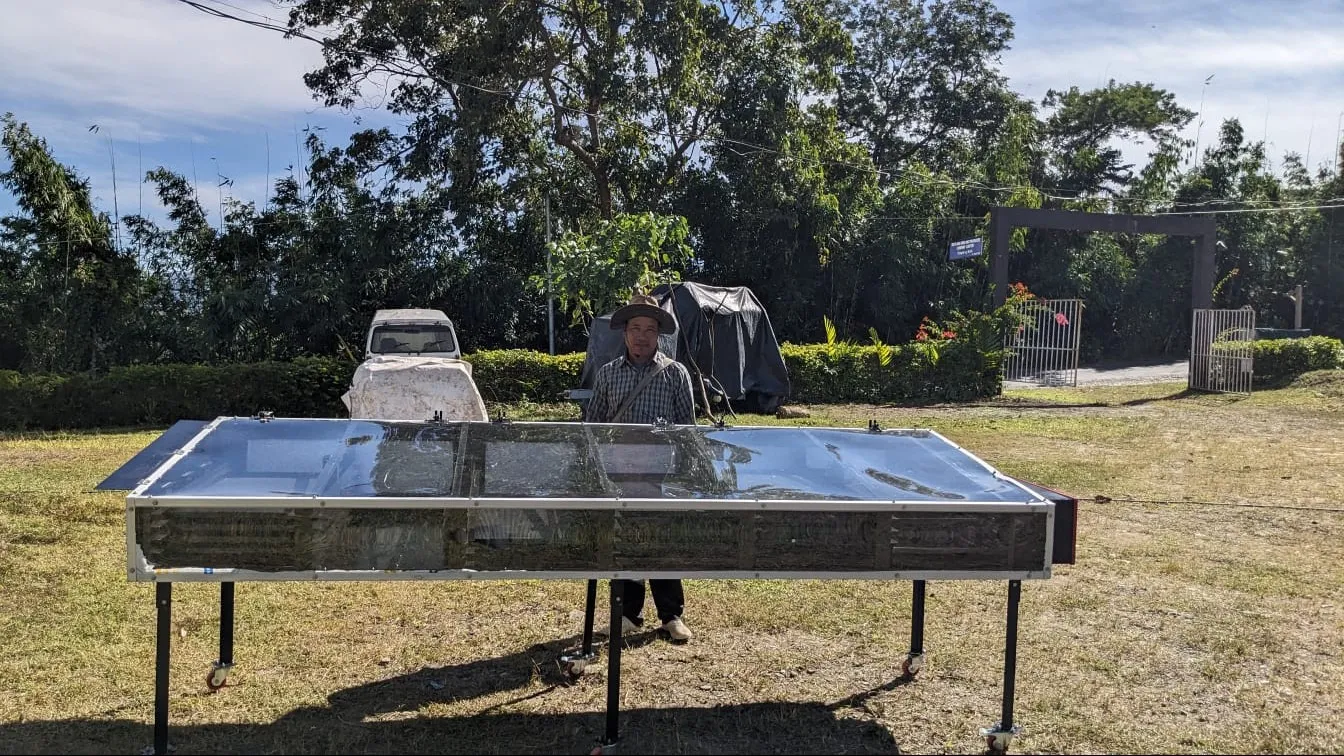
India is rapidly promoting renewable energy and food processing under various Central and State Government schemes. While there is no single nationwide subsidy exclusively for solar dryers, many government programs provide financial assistance, grants, capital subsidies, or project funding that can be used for purchasing solar drying systems.
Whether you are a farmer, Farmer Producer Organization (FPO), Self Help Group (SHG), startup, entrepreneur, NGO, food processing unit, or educational institution, you may be eligible for support under different schemes.
This guide explains everything you need to know about solar dryer subsidies in India, who is eligible, and how to apply.
Is There Any Government Subsidy for Solar Dryers?
Yes—but it depends on the scheme.
Unlike solar rooftop systems, solar dryers are generally supported under:
- Food Processing Schemes
- Agriculture Infrastructure Schemes
- Rural Livelihood Programs
- Renewable Energy Projects
- Entrepreneurship Development Schemes
- Tribal Development Programs
- Women Empowerment Programs
- Startup Promotion Schemes
Funding may range from 25% to 90% depending on the implementing agency and beneficiary category.
Government Schemes Supporting Solar Dryers
1. PM Formalisation of Micro Food Processing Enterprises (PMFME)
PMFME is one of the best schemes for installing solar dryers.
Suitable for:
- Food processing entrepreneurs
- Individual businesses
- Farmer Producer Organizations
- SHGs
- Cooperatives
Benefits include:
- Credit Linked Capital Subsidy
- Equipment purchase support
- Processing infrastructure development
- Branding assistance
- Training
Solar dryers used for processing fruits, vegetables, spices, herbs, fish, mushrooms, medicinal plants, and millets can often be included in project proposals.
2. Mission for Integrated Development of Horticulture (MIDH)
MIDH promotes value addition in horticulture.
Solar dryers can help preserve:
- Mango
- Onion
- Tomato
- Chilli
- Garlic
- Ginger
- Turmeric
- Amla
- Banana
- Pineapple
- Jackfruit
Many state horticulture departments support post-harvest infrastructure under MIDH.
3. Agriculture Infrastructure Fund (AIF)
The Agriculture Infrastructure Fund supports:
- Warehouses
- Primary processing
- Drying units
- Storage infrastructure
- Pack houses
- Value addition facilities
Solar dryers may be financed as part of larger agricultural infrastructure projects.
Benefits include:
- Interest subvention
- Credit guarantee
- Long repayment period
4. National Rural Livelihood Mission (NRLM)
NRLM supports rural women through Self Help Groups.
Solar dryers help SHGs manufacture:
- Dried vegetables
- Fruit chips
- Herbal products
- Millet snacks
- Spice powders
- Medicinal herbs
Many District Rural Development Agencies encourage income generation activities using solar dryers.
5. Tribal Development Schemes
Various tribal development departments support:
- Minor forest produce processing
- Mahua drying
- Tamarind processing
- Amla processing
- Herbal products
- Medicinal plants
Solar dryers improve quality while reducing post-harvest losses.
6. NABARD Supported Projects
Many NABARD-supported projects include:
- Farmer Producer Organizations
- Rural entrepreneurship
- Food processing
- Value addition
- Women-led enterprises
Solar dryers may be financed through project-based assistance.
7. MSME Development Schemes
Micro and Small Enterprises involved in food processing can include solar dryers while establishing:
- Spice units
- Fruit processing plants
- Vegetable dehydration units
- Herbal processing
- Tea processing
- Coffee processing
8. Ministry of Food Processing Industries (MoFPI)
Several MoFPI schemes encourage:
- Food preservation
- Processing equipment
- Cold chain
- Primary processing
- Micro enterprises
Solar drying is recognized as an energy-efficient preservation technology.
State Government Subsidies
Many states introduce their own subsidy programs for food processing and renewable energy.
Examples include:
- Gujarat
- Maharashtra
- Rajasthan
- Karnataka
- Tamil Nadu
- Uttar Pradesh
- Madhya Pradesh
- Odisha
- Assam
- Kerala
- Telangana
- Andhra Pradesh
- Punjab
- Haryana
- Chhattisgarh
- Bihar
- West Bengal
The subsidy percentage varies depending on:
- Department
- Budget availability
- Category of beneficiary
- District
- Type of project
Applicants should check with their respective state agriculture, horticulture, food processing, industries, rural development, or renewable energy departments.
Who Can Apply?
Solar dryer assistance may be available for:
- Individual Farmers
- Farmer Producer Organizations (FPOs)
- Farmer Producer Companies (FPCs)
- Self Help Groups (SHGs)
- Women Entrepreneurs
- Startups
- Food Processing Units
- NGOs
- Cooperatives
- Educational Institutions
- Research Organizations
- Tribal Groups
- Panchayats
- Farmer Cooperatives
Products That Can Be Processed Using Solar Dryers
A solar dryer can be used for drying:
Fruits
- Mango
- Banana
- Apple
- Pineapple
- Papaya
- Guava
- Amla
- Orange Peel
- Lemon Peel
Vegetables
- Onion
- Tomato
- Garlic
- Ginger
- Carrot
- Beetroot
- Drumstick
- Cabbage
- Spinach
Spices
- Turmeric
- Chilli
- Coriander
- Cumin
- Black Pepper
- Curry Leaves
Other Products
- Mushrooms
- Herbs
- Medicinal Plants
- Fish
- Shrimp
- Flowers
- Millets
- Makhana
- Coconut
- Tea Leaves
- Coffee Beans
Benefits of Installing a Solar Dryer
Solar dryers offer numerous advantages:
- Reduces post-harvest losses
- Maintains product colour
- Improves hygiene
- Protects from dust and insects
- Faster drying than open sun drying
- Better product quality
- Higher market value
- Lower energy costs
- Eco-friendly operation
- Suitable for rural entrepreneurship
- Supports year-round processing
- Enhances export quality
Documents Typically Required
While requirements vary by scheme, applicants generally need:
- Aadhaar Card
- PAN Card
- Bank Account Details
- Project Report
- Quotations
- Business Registration (if applicable)
- UDYAM Registration (for MSMEs)
- FPO/SHG Registration (where applicable)
- Land Ownership or Lease Documents
- Passport-size Photographs
How to Apply for a Solar Dryer Subsidy
- Identify the most suitable government scheme.
- Contact your District Agriculture, Horticulture, Food Processing, Rural Development, or Industries Office.
- Prepare a detailed project report.
- Obtain a quotation from a reputable solar dryer manufacturer.
- Submit your application with the required documents.
- Await approval before purchasing equipment if the scheme requires prior sanction.
- Install the solar dryer and complete inspections or utilization reporting as required by the scheme.
Why Choose Rudra Solar Energy Pvt. Ltd.?
Rudra Solar Energy Pvt. Ltd. manufactures advanced solar drying systems for:
- Farmers
- Food Processing Industries
- Self Help Groups
- FPOs
- NGOs
- Startups
- Government Projects
- Educational Institutions
- Export-Oriented Businesses
Available capacities include:
- 2.5 KG TO 500 KG and in Multiple of that
Features include:
- Food-grade construction
- Solar-only and hybrid (solar + electric) options
- Uniform drying technology
- Hygienic enclosed drying chambers
- Low operating costs
- Technical guidance and installation support
Frequently Asked Questions (FAQs)
Is there a 100% subsidy for solar dryers in India?
There is no universal 100% subsidy. However, certain government or donor-funded projects for SHGs, FPOs, tribal communities, and institutions may provide up to 90–100% financial support under specific programs.
Can farmers get a subsidy for a solar dryer?
Yes. Farmers may be eligible through state agriculture departments, horticulture missions, food processing schemes, or project-based funding.
Which government department provides solar dryer subsidies?
Support may come from agriculture, horticulture, food processing, MSME, rural development, tribal welfare, renewable energy, or industries departments, depending on the scheme.
Can SHGs purchase solar dryers with government support?
Yes. Many SHGs obtain financial assistance through NRLM, state livelihood missions, CSR initiatives, and district-level entrepreneurship programs.
Is a project report required?
Most subsidy and financing schemes require a project report outlining the business plan, equipment, expected production, and financial viability.
Final Thoughts
Solar dryers are becoming an essential technology for reducing post-harvest losses, increasing farmer incomes, and producing high-quality dried foods. Although India does not offer a single national subsidy dedicated solely to solar dryers, multiple Central and State Government schemes can provide substantial financial assistance when solar drying is part of a food processing, agriculture, or rural enterprise project.
For farmers, SHGs, FPOs, startups, and food processing businesses, choosing the right scheme and preparing a well-structured project report can significantly improve the chances of receiving support.
Keywords