Best Solar Drying Machine in Coimbatore for Farmers, FPOs and Food Processors
Coimbatore is two things at once. It is a busy industrial and business city, and it is also a district with a strong farming side: coconut groves, banana plantations, vegetable farms, curry leaf, turmeric and more, with Pollachi and the Mettupalayam side of the district known for their farms. When harvest and market arrive together, the question for many growers and small processors is the same: how do we dry our produce cleanly, evenly and without losing it to weather?
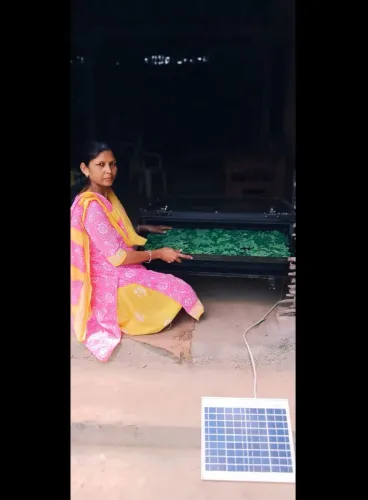
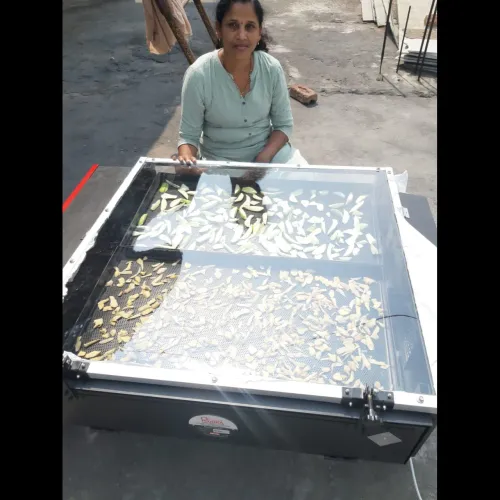
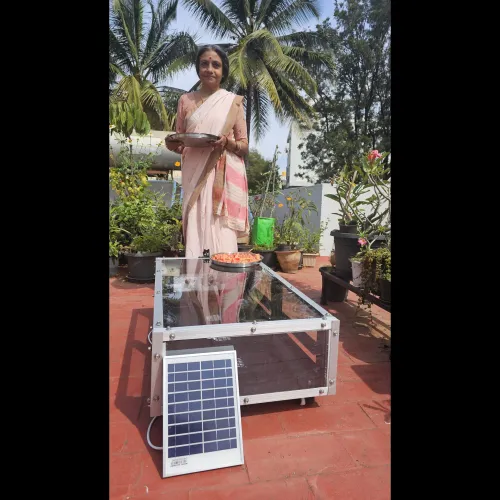
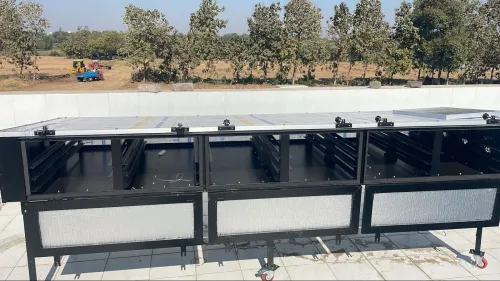
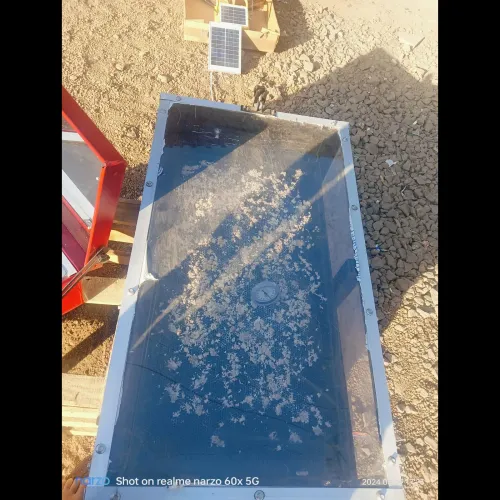
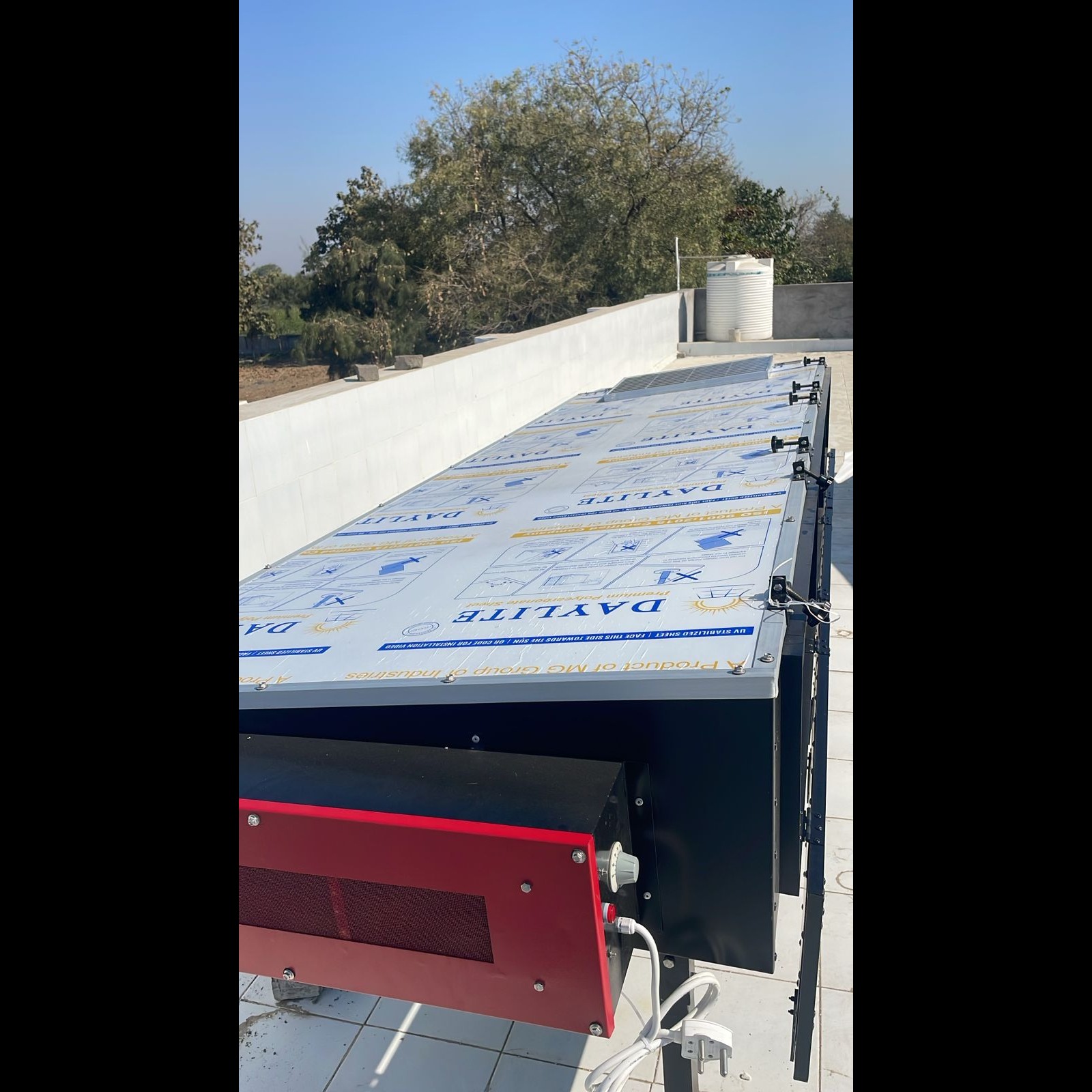
A solar dryer helps with that. It uses the sun’s energy inside a closed, protected chamber to remove moisture from suitable produce, without leaving it open to dust, insects, birds or sudden rain.
Rudra Solar Energy, a solar dryer manufacturer based in Ahmedabad since 2006, has sold 47,000+ solar dryers and works with farmers, groups and commercial processors across India. If you are looking for a high-quality solar drying machine for Coimbatore, we can help you choose the right model for your product and volume.
Why solar drying fits Coimbatore
With plenty of sunshine for much of the year, Coimbatore is a good place to make use of solar energy for drying. A closed solar dryer lets you dry produce in a more controlled way than open yards or roadsides, and it helps you prepare cleaner dried products for city markets, processors and buyers who care about quality.
Products from Coimbatore that can be dried in a solar dryer
Suitability depends on the product, its form and how it is prepared. Common examples relevant to this district include:
- Coconut: Coimbatore is a major coconut-growing district. Tell us which stage you want to dry (for example copra-type or other coconut-based products), because the requirement differs by product and process.
- Banana: usually as prepared slices or pieces, depending on the product you want to make.
- Curry leaves and other leafy herbs: light material that needs more tray surface than its weight suggests.
- Vegetables: such as tomato, brinjal, okra (bhendi) and small onion, usually dried as slices or pieces.
- Mango: as slices or pieces.
- Turmeric: after the preparation your process needs.
- Maize: grain drying for small to medium lots.
How a solar dryer works, in simple terms
Produce is cleaned, prepared (cut, sliced or spread as needed) and loaded on trays. The sun heats the air inside the dryer, and airflow carries moisture away from the produce. Drying only removes moisture. It does not cook, roast, grind or pack your product. Those are separate steps if your business needs them.
Who can use a solar dryer in Coimbatore
- Farmers who want to dry coconut products, banana, vegetables or leaves instead of selling everything fresh.
- FPOs and FPCs collecting produce from member farmers.
- Women entrepreneurs and self-help groups starting a small dried-food business.
- Food processors and MSMEs preparing dried products for city and wider markets.
- Exporters and food start-ups who need clean, consistent dried material.
Choosing the best-fit capacity
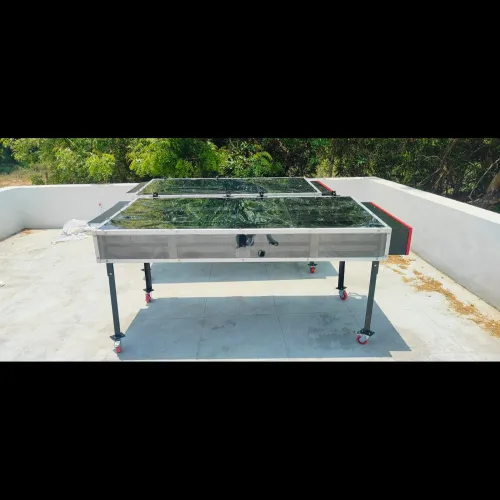
Rudra solar cabinet dryer configurations range from about 5 kg to 500 kg of fresh input per batch, depending on the model. This is the fresh produce loaded per batch, not dried output or daily throughput. A small farmer or SHG can begin with a smaller unit, while an FPO or processor with regular volume may need a larger one. Think about:
- how much fresh produce you handle on a busy day
- what you will dry and in what form (whole, sliced, cut leaves)
- how many batches you plan each week
- whether you will dry one product or several through the year
What affects your drying results
Drying time and final moisture are not fixed. They depend on the product, incoming moisture, size and thickness, tray loading, airflow, sunshine, temperature and humidity. Cloudy days and rainy months can slow drying down. If you need extra operating options for such days, ask us which configurations support them, because not every model has the same features.
Government support for solar drying in Tamil Nadu
The Tamil Nadu Agricultural Engineering Department has offered a subsidy scheme for solar drying units for farmers and farmer groups. Which types of units qualify, and the subsidy terms, can change from time to time. Before you buy, please check with the Assistant Executive Engineer of the Agricultural Engineering Department in your district, and ask whether your chosen dryer is eligible. We are happy to share technical details of our models to help with your enquiry.
Why Rudra Solar Energy is a top choice
We are a manufacturer, not just a reseller, so you can talk directly about your product, your volume and your budget. With 47,000+ dryers sold, we have experience across many products and buyer types. We help you match the dryer to your produce instead of pushing the biggest machine.
Frequently Asked Questions
1. Which products in Coimbatore can be dried in a solar dryer?
Common examples include coconut-based products, banana, curry leaves, vegetables like tomato, brinjal and okra, mango, turmeric and maize. Suitability depends on the product and how it is prepared, so share your product with us for a specific recommendation.
2. Can I dry coconut in a solar dryer?
Solar drying can be used for suitable coconut products. The requirement depends on the stage and process, for example the form of the coconut and the moisture you want at the end. Tell us what you plan to dry and we will guide you.
3. Can banana and vegetables be dried in a solar dryer?
Yes, when they are properly cleaned and cut into suitable pieces. Slice thickness and tray loading affect the result, so we can guide you based on your product.
4. What capacity should I start with?
It depends on your regular volume. Our cabinet dryer models range from about 5 kg to 500 kg of fresh input per batch. Smaller units suit farmers, SHGs and start-ups. Larger ones suit FPOs and processors with steady volume.
5. Can I use a solar dryer in the rainy or cloudy season?
Solar drying works best with good sunshine. On cloudy, humid or rainy days drying can slow down or be limited. Some configurations may offer additional operating options, so please ask which models include them before you decide.
6. Is there a government subsidy for solar dryers in Tamil Nadu?
The Tamil Nadu Agricultural Engineering Department has had a subsidy scheme for solar drying units for farmers and farmer groups. Eligible unit types and amounts can change, so please confirm with the Assistant Executive Engineer in your district whether a particular dryer qualifies before you buy.
7. Can SHGs, women entrepreneurs and small processors in Coimbatore start with a solar dryer?
Yes, many groups use solar dryers to add value to local produce. Income depends on your product, quality, market and effort, so we do not promise fixed profit or returns.
8. How do I get the price and a quotation?
Price depends on capacity, configuration and features. Call or email us with your product, batch quantity and location, and we will suggest a suitable model and share a quotation.
Talk to Rudra Solar Energy
Tell us what you grow or process, and how much you want to dry. We will help you pick the right solar dryer for Coimbatore.
Call: 9429446671 / 7041262332
Email: rudrasolar@gmail.com
Keywords