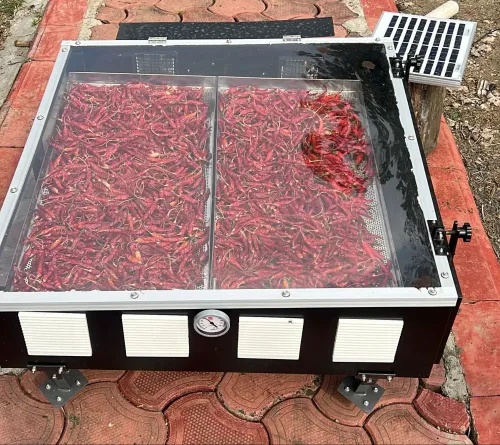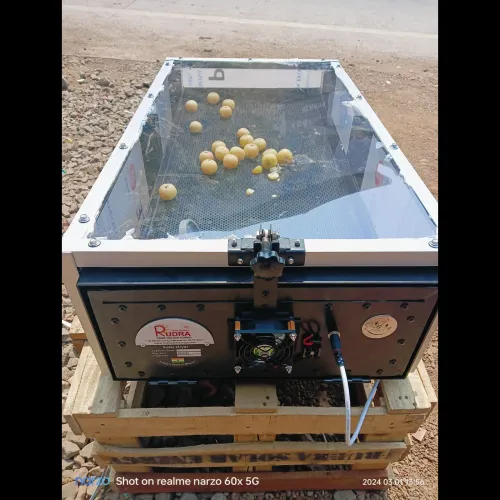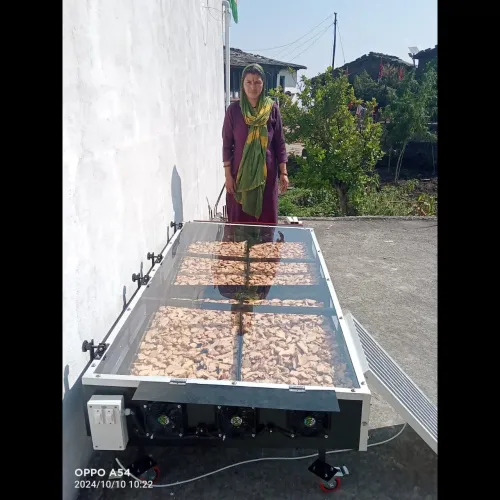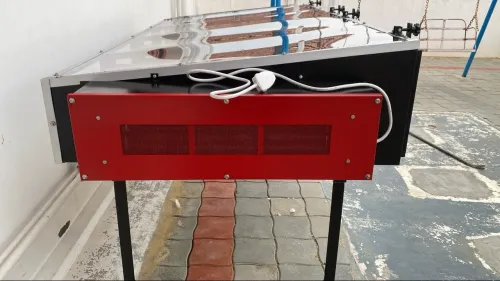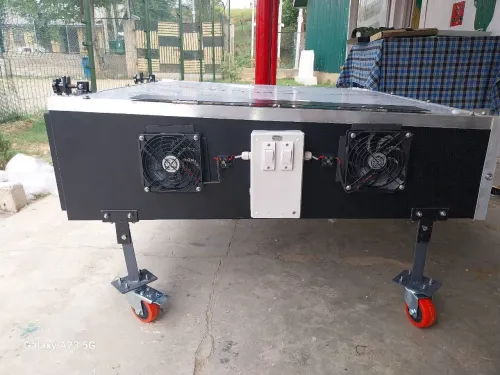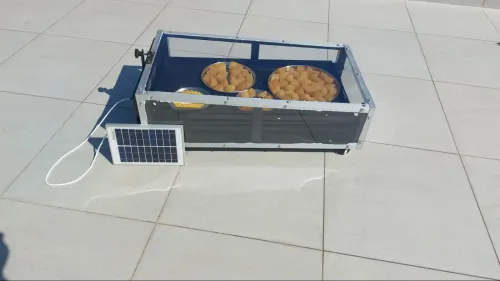

Solar Dryers For Apple Value Chain
Solar dryers play a significant role in enhancing the apple value chain by providing a sustainable and efficient method for drying apples. Here are several key applications of solar dryers in the apple value chain:
1. **Preservation and Shelf Life Extension**: Solar dryers help in preserving apples by reducing their moisture content to a level where microbial growth is inhibited. This extends their shelf life and reduces post-harvest losses, allowing apples to be stored and transported over longer distances without spoilage.
2. **Quality Improvement**: Solar drying helps maintain the quality of apples by preserving their nutritional content, flavor, and color better than traditional drying methods like sun drying or hot air drying. This is crucial for maintaining marketability and meeting consumer preferences for high-quality products.
3. **Cost Savings**: Solar dryers utilize renewable energy from the sun, reducing dependency on fossil fuels and electricity. This can lead to significant cost savings in the drying process, especially in regions where energy costs are high or unreliable.
4. **Environmental Sustainability**: Solar dryers have a minimal environmental footprint compared to conventional drying methods, as they do not produce greenhouse gas emissions or other pollutants associated with burning fossil fuels. This aligns with sustainable agricultural practices and improves the environmental profile of apple production.
5. **Income Generation**: By enabling better preservation and quality of apples, solar dryers can enhance the economic benefits for apple producers. They can access markets that demand dried apples year-round, diversifying their income sources and improving their overall economic resilience.
6. **Value Addition**: Dried apples have higher value compared to fresh apples, especially in off-season periods or in markets where dried fruits are preferred. Solar dryers facilitate value addition by enabling farmers to process their apples into a product with a longer shelf life and higher market value. Also One can make apple fruit Bars Using Solar Dryers after extracting the apple pulp and processing its in Solar Dryers
7. **Community Development**: Introducing solar drying technology can lead to skill development and capacity building within apple farming communities. Training in solar dryer operation and maintenance can empower local farmers, cooperatives, and entrepreneurs to engage in value-added processing and enhance their livelihoods.
In conclusion, solar dryers are a versatile technology that positively impacts various stages of the apple value chain, from post-harvest handling and preservation to market access and economic benefits. Their application contributes to sustainability, economic development, and quality improvement in apple production and processing.
For More Details On Solar Dryers For Apple Kindly Contact US.
Solar dryers play a significant role in enhancing the apple value chain by providing a sustainable and efficient method for drying apples. Here are several key applications of solar dryers in the apple value chain:
1. **Preservation and Shelf Life Extension**: Solar dryers help in preserving apples by reducing their moisture content to a level where microbial growth is inhibited. This extends their shelf life and reduces post-harvest losses, allowing apples to be stored and transported over longer distances without spoilage.
2. **Quality Improvement**: Solar drying helps maintain the quality of apples by preserving their nutritional content, flavor, and color better than traditional drying methods like sun drying or hot air drying. This is crucial for maintaining marketability and meeting consumer preferences for high-quality products.
3. **Cost Savings**: Solar dryers utilize renewable energy from the sun, reducing dependency on fossil fuels and electricity. This can lead to significant cost savings in the drying process, especially in regions where energy costs are high or unreliable.
4. **Environmental Sustainability**: Solar dryers have a minimal environmental footprint compared to conventional drying methods, as they do not produce greenhouse gas emissions or other pollutants associated with burning fossil fuels. This aligns with sustainable agricultural practices and improves the environmental profile of apple production.
5. **Income Generation**: By enabling better preservation and quality of apples, solar dryers can enhance the economic benefits for apple producers. They can access markets that demand dried apples year-round, diversifying their income sources and improving their overall economic resilience.
6. **Value Addition**: Dried apples have higher value compared to fresh apples, especially in off-season periods or in markets where dried fruits are preferred. Solar dryers facilitate value addition by enabling farmers to process their apples into a product with a longer shelf life and higher market value. Also One can make apple fruit Bars Using Solar Dryers after extracting the apple pulp and processing its in Solar Dryers
7. **Community Development**: Introducing solar drying technology can lead to skill development and capacity building within apple farming communities. Training in solar dryer operation and maintenance can empower local farmers, cooperatives, and entrepreneurs to engage in value-added processing and enhance their livelihoods.
In conclusion, solar dryers are a versatile technology that positively impacts various stages of the apple value chain, from post-harvest handling and preservation to market access and economic benefits. Their application contributes to sustainability, economic development, and quality improvement in apple production and processing.
For More Details On Solar Dryers For Apple Kindly Contact US.
Keywords