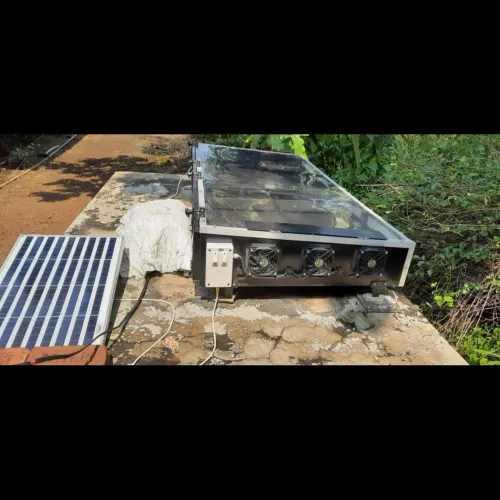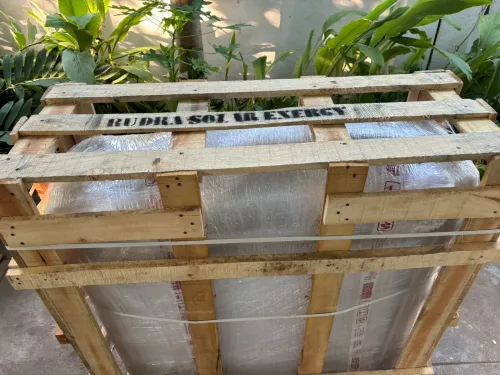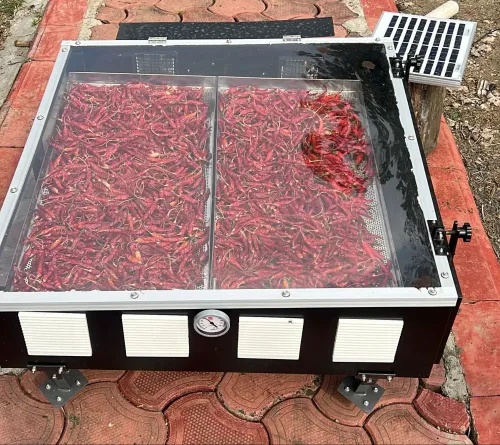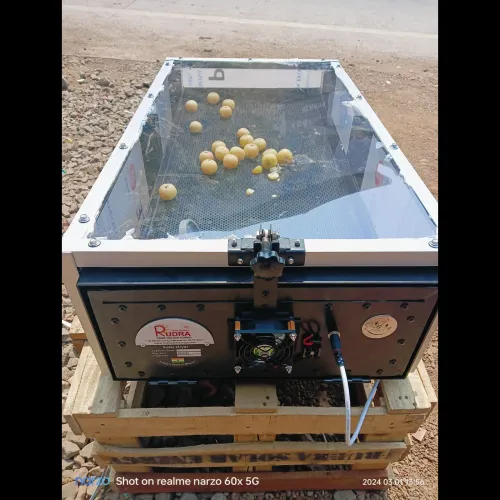

Solar Dryers And Sustainable Development Goals.
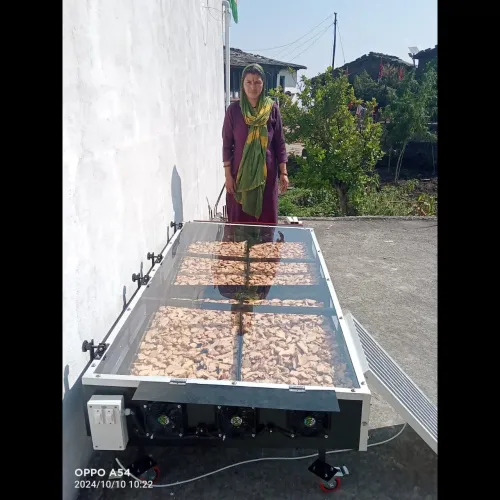
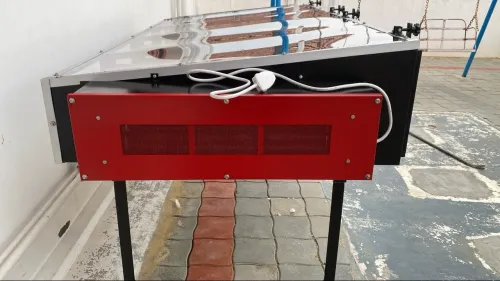
Solar dryers are an excellent example of technology that aligns with several Sustainable Development Goals (SDGs). Here's how:
1. **Goal 1: No Poverty**: Solar dryers can help alleviate poverty by enabling smallholder farmers to increase the value of their crops. By preserving produce with solar dryers, farmers can avoid post-harvest losses and fetch better prices for their goods.
2. **Goal 2: Zero Hunger**: Solar dryers contribute to food security by extending the shelf life of perishable foods. This helps ensure a more stable food supply, especially in regions prone to food shortages or with limited access to conventional preservation methods.
3. **Goal 3: Good Health and Well-being**: Solar drying reduces the need for chemical preservatives and pesticides, leading to healthier food products. Additionally, by reducing food waste, solar dryers can help combat malnutrition and related health issues.
4. **Goal 7: Affordable and Clean Energy**: Solar dryers utilize renewable energy from the sun, making them environmentally friendly and reducing reliance on fossil fuels. This aligns with efforts to promote sustainable energy sources and mitigate climate change.
5. **Goal 8: Decent Work and Economic Growth**: Solar dryer technology can create employment opportunities, particularly in rural areas where agriculture is a primary livelihood. It can also stimulate economic growth by adding value to agricultural products and supporting local industries.
6. **Goal 9: Industry, Innovation, and Infrastructure**: Solar drying technology represents an innovative approach to food preservation and agro-processing. Investing in such technologies can drive technological advancement and improve infrastructure, especially in rural communities.
7. **Goal 12: Responsible Consumption and Production**: Solar dryers promote more sustainable food production and consumption patterns by reducing food waste and the use of chemical preservatives. This supports the efficient use of resources and helps minimize the environmental impact of agriculture.
8. **Goal 13: Climate Action**: Solar dryers help mitigate climate change by reducing greenhouse gas emissions associated with conventional food preservation methods. They also contribute to resilience in the face of climate variability by providing a reliable means of preserving crops during adverse weather conditions.
9. **Goal 15: Life on Land**: Solar dryers can help reduce deforestation by decreasing the demand for fuelwood used in traditional drying methods. This contributes to the preservation of ecosystems and biodiversity.
By addressing these SDGs, solar dryers play a crucial role in promoting sustainable development and improving the livelihoods of communities around the world.
for more details on solar dryer Contact Us.
Solar dryers are an excellent example of technology that aligns with several Sustainable Development Goals (SDGs). Here's how:
1. **Goal 1: No Poverty**: Solar dryers can help alleviate poverty by enabling smallholder farmers to increase the value of their crops. By preserving produce with solar dryers, farmers can avoid post-harvest losses and fetch better prices for their goods.
2. **Goal 2: Zero Hunger**: Solar dryers contribute to food security by extending the shelf life of perishable foods. This helps ensure a more stable food supply, especially in regions prone to food shortages or with limited access to conventional preservation methods.
3. **Goal 3: Good Health and Well-being**: Solar drying reduces the need for chemical preservatives and pesticides, leading to healthier food products. Additionally, by reducing food waste, solar dryers can help combat malnutrition and related health issues.
4. **Goal 7: Affordable and Clean Energy**: Solar dryers utilize renewable energy from the sun, making them environmentally friendly and reducing reliance on fossil fuels. This aligns with efforts to promote sustainable energy sources and mitigate climate change.
5. **Goal 8: Decent Work and Economic Growth**: Solar dryer technology can create employment opportunities, particularly in rural areas where agriculture is a primary livelihood. It can also stimulate economic growth by adding value to agricultural products and supporting local industries.
6. **Goal 9: Industry, Innovation, and Infrastructure**: Solar drying technology represents an innovative approach to food preservation and agro-processing. Investing in such technologies can drive technological advancement and improve infrastructure, especially in rural communities.
7. **Goal 12: Responsible Consumption and Production**: Solar dryers promote more sustainable food production and consumption patterns by reducing food waste and the use of chemical preservatives. This supports the efficient use of resources and helps minimize the environmental impact of agriculture.
8. **Goal 13: Climate Action**: Solar dryers help mitigate climate change by reducing greenhouse gas emissions associated with conventional food preservation methods. They also contribute to resilience in the face of climate variability by providing a reliable means of preserving crops during adverse weather conditions.
9. **Goal 15: Life on Land**: Solar dryers can help reduce deforestation by decreasing the demand for fuelwood used in traditional drying methods. This contributes to the preservation of ecosystems and biodiversity.
By addressing these SDGs, solar dryers play a crucial role in promoting sustainable development and improving the livelihoods of communities around the world.
for more details on solar dryer Contact Us.
Keywords