Mandya is one of Karnataka’s major agricultural districts and is widely associated with irrigated farming. The district administration itself describes Mandya as “SugarCane City,” while official agriculture information identifies paddy, sugarcane, coconut and sericulture among important agricultural activities in the district. Irrigation from the K.R. Sagar and Hemavathi reservoirs has played an important role in the district’s farming system.
For farmers and processors in Mandya, solar drying can support post-harvest moisture reduction, value addition and more organised handling of suitable agricultural produce.
Rudra Solar Energy provides solar dryer solutions in Mandya, Karnataka, for individual farmers, FPOs, SHGs, cooperatives, rural entrepreneurs, MSMEs, food-processing units, institutions and commercial processors.
Solar Drying Opportunities in Mandya
Mandya’s agricultural economy creates potential drying applications for suitable products such as:
- Paddy and selected grains
- Coconut and copra
- Fruits and vegetables
- Chilli, herbs and spices
- Selected pulses and agricultural produce
- Medicinal and leafy materials where drying is required
- Suitable sugarcane-derived materials where moisture reduction forms part of further processing
- Other farm produce intended for storage or value-added processing
The correct process must be selected according to the product, initial moisture, preparation, loading, airflow, weather conditions and intended final use.
Solar Dryer for Paddy and Grain Processing in Mandya
Paddy is one of the important food crops identified in Mandya’s official agricultural profile.
Where additional moisture reduction is required before suitable storage or further processing, a solar dryer can provide a protected, tray-based drying environment.
However, grain drying should not be treated with one universal temperature or drying-time formula. Required conditions depend on the grain, initial moisture, batch depth, airflow, weather and required final moisture.
Grain intended for consumption, storage or seed use can also have different requirements.
Solar Dryer for Coconut and Copra in Mandya
Coconut is another crop specifically identified in Mandya district’s agricultural profile.
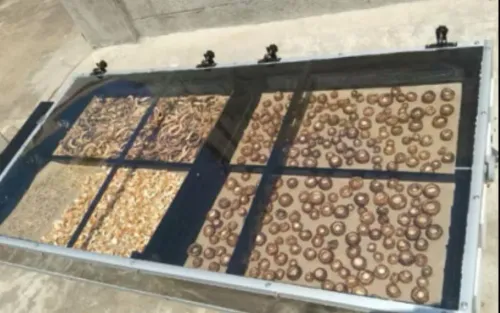
For suitable coconut-processing applications, solar drying can support moisture reduction for products such as copra, coconut pieces and other value-added coconut ingredients, depending on the processing requirement.
An enclosed dryer helps keep the drying material more protected from direct exposure to dust, insects and changing outdoor conditions compared with open drying.
If further milling or powder production is required, that processing takes place separately after suitable drying.
Solar Drying for Fruits, Vegetables and Other Produce
Solar dryers can also support suitable fruit and vegetable processing in Mandya.
Depending on the commodity, users may prepare:
- Dried fruit slices
- Vegetable slices or pieces
- Dried herbs
- Chilli and spice materials
- Ingredients for further food processing
- Other moisture-reduced agricultural products
The objective is not simply “faster drying.” Product preparation, airflow and final moisture should match the intended use.
A Technical Note for Mandya’s Sericulture Sector
Sericulture is also identified in Mandya’s agricultural profile.
However, this does not mean fresh mulberry leaves used for routine silkworm feeding should automatically be solar dried.
Solar drying is relevant only where a particular leaf, plant material or sericulture-linked by-product is intentionally being processed into a dried value-added product.
This distinction is important when selecting an actual solar-drying application.
Why Choose an Enclosed Solar Dryer?
Traditional open sun drying leaves produce exposed to surrounding dust, insects, wind and changing weather.
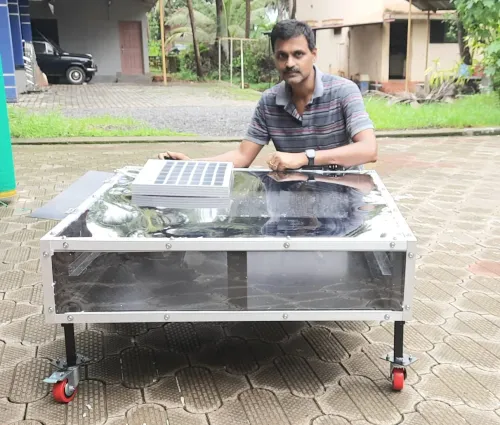
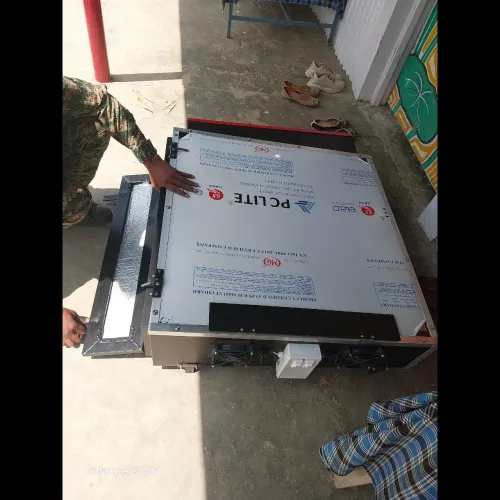
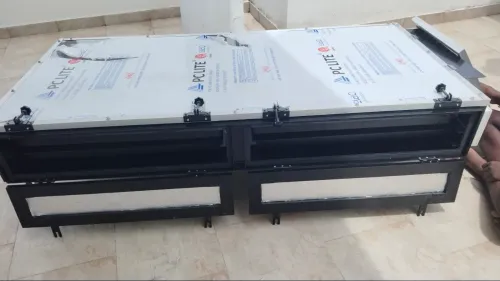
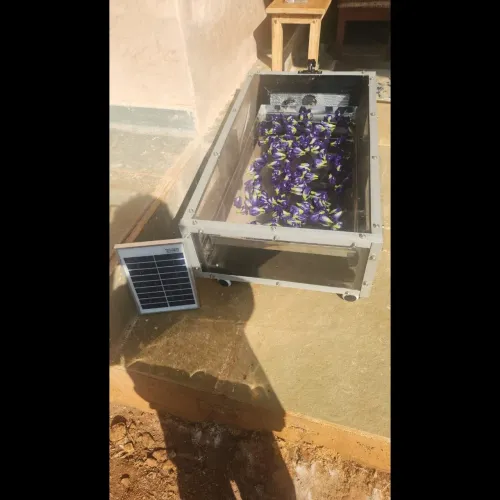
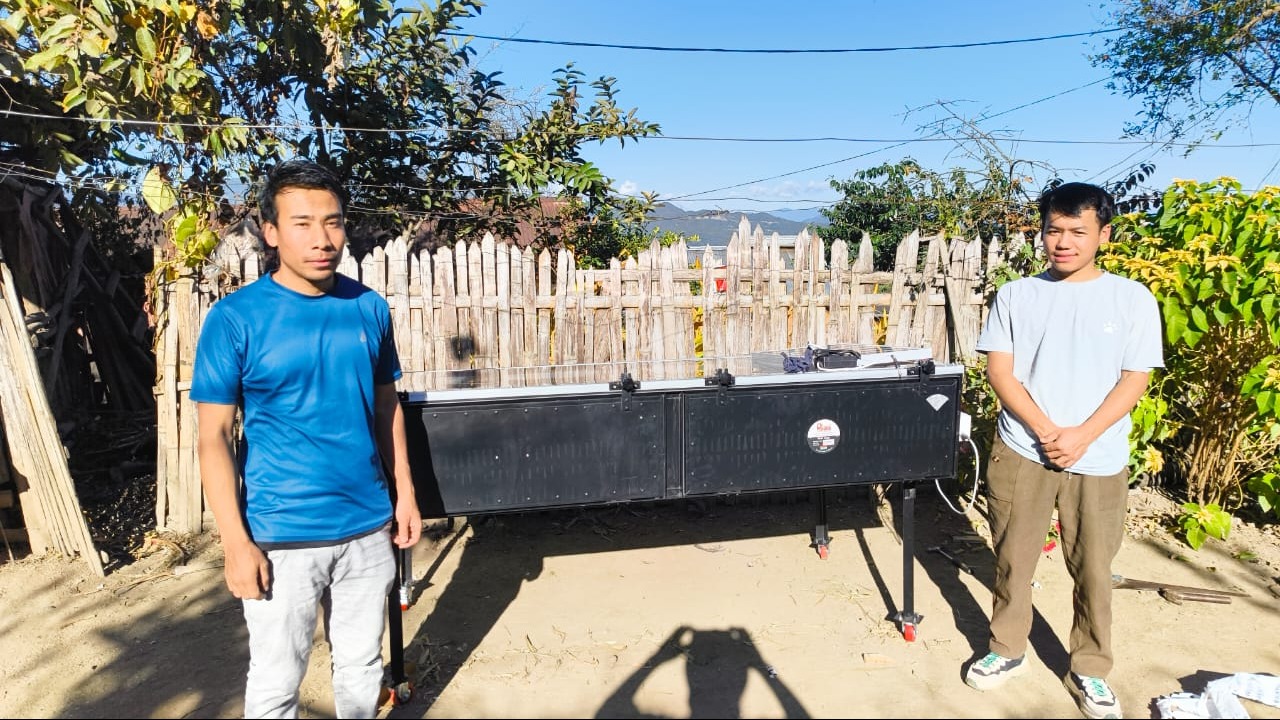
Rudra Solar Dryers use an enclosed chamber, tray-based product loading and managed airflow to support more organised moisture reduction.
Depending on the selected model, features may include:
- Enclosed protected drying chamber
- Solar thermal heating
- Managed or forced airflow
- Solar-powered DC fans where applicable
- Multiple capacity options
- Different tray configurations
- Optional backup arrangements on applicable models
- Simple operation and maintenance
Actual model specifications should always be confirmed before purchase.
Who Can Use a Solar Dryer in Mandya?
Farmers
For drying suitable crops and creating value-added products from part of the harvest.
FPOs and Cooperatives
For collective processing of agricultural produce with an appropriately sized dryer.
Women’s SHGs
For small-scale fruit, vegetable, herb, spice and other dried-product businesses.
Rural Entrepreneurs
For developing packaged and value-added products for local or wider markets.
Rice and Agricultural Processors
For suitable moisture-reduction applications where controlled drying is required.
Coconut Processors
For suitable copra and coconut-processing applications.
MSMEs and Food Businesses
For repeated batch processing using a correctly selected model.
Institutions and Projects
For livelihood, demonstration, research and agricultural value-addition initiatives.
Solar Dryer Solutions Across Mandya District
Mandya district currently has seven revenue taluks: Mandya, Malavalli, Maddur, Pandavapura, K.R. Pet, Srirangapatna and Nagamangala.
Rudra Solar Dryer solutions can therefore be considered for users operating across:
Mandya | Maddur | Malavalli | Pandavapura | Srirangapatna | Nagamangala | Krishnaraj Pete (K.R. Pet)
Whether the requirement comes from an irrigated farming area, coconut producer, grain processor, FPO, SHG or food-processing enterprise, the dryer should be selected according to the actual application rather than only machine size.
Choosing the Right Solar Dryer in Mandya
Before selecting a dryer, identify:
- Crop or product
- Fresh-input quantity per batch
- Initial moisture
- Preparation method
- Required final product
- Processing frequency
- Available installation area
- Intended final moisture
- Need for any suitable backup configuration
A farmer drying a small batch of vegetables requires a different system from an FPO processing larger quantities of agricultural produce.
Correct capacity selection is therefore important for both usability and economics.
Why Rudra Solar Energy for Mandya?
Rudra Solar Energy has been developing solar thermal solutions in India since 2006 and provides solar dryers for individual, agricultural, entrepreneurial, institutional and commercial applications.
For buyers searching for a top solar dryer manufacturer serving Mandya, Karnataka, important factors include appropriate capacity, enclosed construction, managed airflow, ease of operation, maintainability and correct product-to-dryer matching.
Rudra helps users select a suitable available model according to the crop, fresh-input quantity per batch and intended final product rather than recommending the same dryer for every application.
Frequently Asked Questions – Solar Dryer in Mandya
1. Which crops can be dried using a solar dryer in Mandya?
Suitable applications may include paddy and selected grains, coconut/copra, fruits, vegetables, chilli, herbs, spices, pulses and other agricultural produce where controlled moisture reduction is required.
2. Can a solar dryer be used for paddy in Mandya?
Yes, for suitable moisture-reduction applications. The required drying method depends on initial moisture, batch loading, airflow, weather and whether the grain is intended for storage, processing, consumption or seed use.
3. Can coconut and copra be dried in a Rudra Solar Dryer?
Suitable coconut pieces and copra can be dried using an appropriately selected system. Preparation and drying conditions should match the required final product.
4. Can sugarcane be dried in a solar dryer?
Fresh whole sugarcane is not a standard general-purpose cabinet solar-drying application. A solar dryer may instead be relevant to suitable sugarcane-derived materials or value-added products where controlled moisture reduction is part of the required processing method.
5. Is a solar dryer useful for FPOs and SHGs in Mandya?
Yes. FPOs, cooperatives and SHGs can select a dryer according to their commodity, batch quantity, processing frequency and intended final product.
6. How much time does solar drying take in Mandya?
There is no universal drying time. It depends on the commodity, initial moisture, preparation, product thickness, tray loading, airflow, solar radiation, humidity, weather and required final moisture.
7. Does a Rudra Solar Dryer require grid electricity?
The exact requirement depends on the selected model. Applicable systems may use solar-powered DC fans, while suitable backup arrangements can be provided on selected configurations.
8. How do I select the right solar dryer capacity in Mandya?
Share your crop or product, fresh quantity per batch, exact location and intended final use with Rudra Solar Energy. A suitable available model and configuration can then be recommended.
Looking for a Solar Dryer in Mandya, Karnataka?
Whether you are a farmer or processor in Mandya, Maddur, Malavalli, Pandavapura, Srirangapatna, Nagamangala or K.R. Pet, the correct solar dryer should be selected according to your actual product and processing requirement.
For the right recommendation, share:
1. Crop or product
2. Fresh-input quantity per batch
3. Location in Mandya district
4. Intended final product or use
Rudra Solar Energy – Solar Dryer Manufacturer in India
Since 2006
Keywords