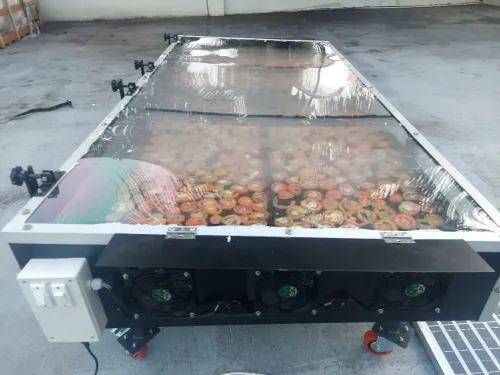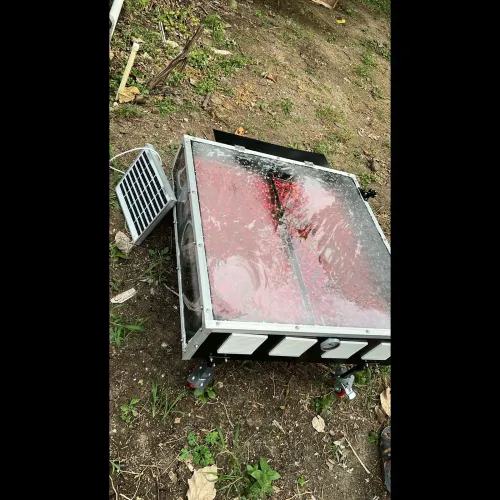
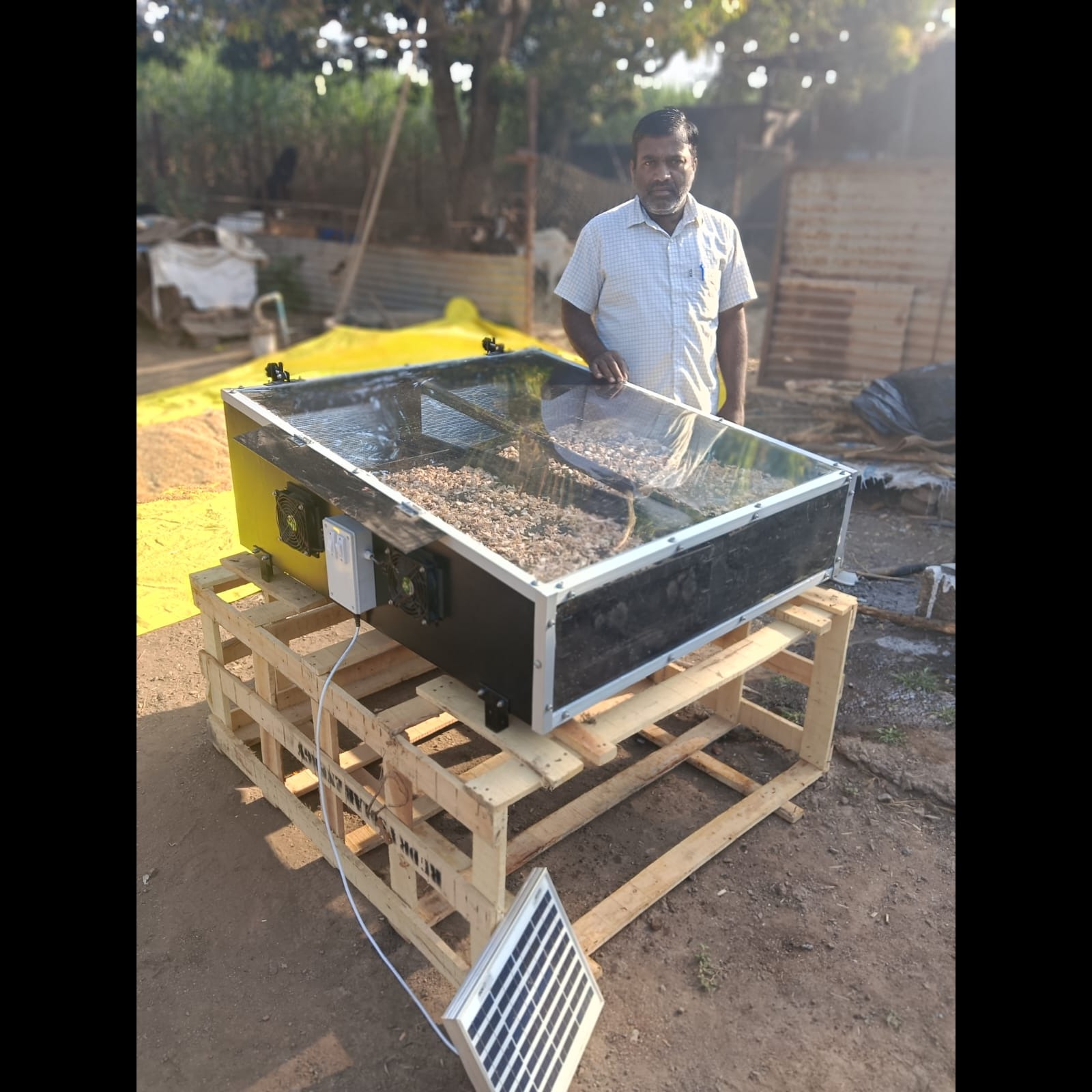
Solar Dryer Solutions for Dakshina Kannada, Karnataka
Dakshina Kannada is a distinctive coastal agricultural district where plantation crops, horticulture and fisheries create strong opportunities for post-harvest processing and value addition. Arecanut is a major crop, while coconut, cashew, pepper, banana, cocoa and other plantation products also form an important part of the district’s agricultural economy.
The district’s coastal conditions also make moisture management especially important. Dakshina Kannada experiences high humidity through much of the year, with the district administration reporting average humidity of about 78% and annual normal rainfall of approximately 3,912 mm.
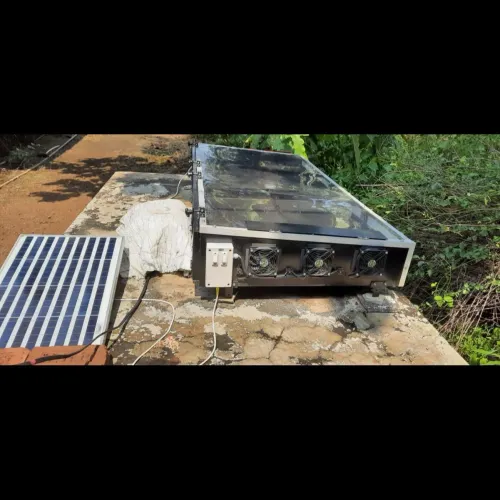
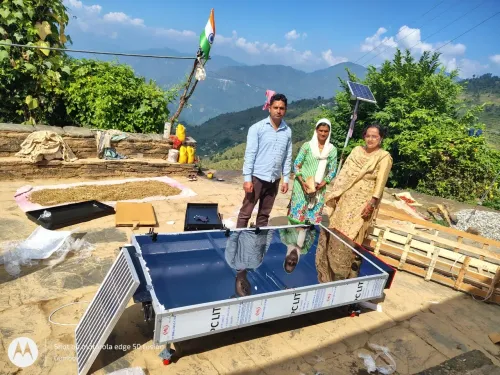
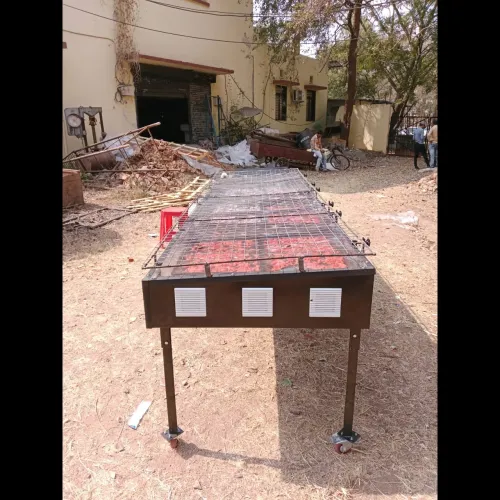
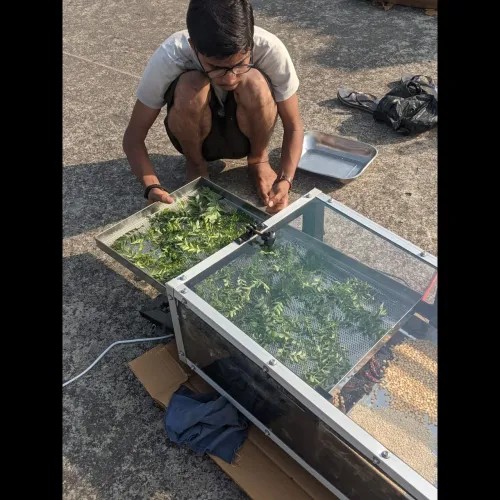
Rudra Solar Energy provides enclosed, tray-based solar dryer solutions for suitable agricultural, plantation, food-processing and selected seafood applications. The correct drying approach depends on the product, initial moisture, preparation, loading, airflow, weather conditions, required final moisture and intended end use.
Why Solar Drying Is Relevant in Dakshina Kannada
Open drying can become difficult when humidity is high, rainfall is frequent or the material needs greater protection from dust, insects and direct outdoor exposure.
A suitable enclosed solar dryer can help create a more protected environment for moisture reduction while using solar thermal energy and managed airflow.
Depending on the selected model or configuration, a Rudra Solar Dryer may include:
- Enclosed/protected drying chamber
- Tray-based product loading
- Managed or forced airflow
- Solar-powered DC fans where applicable
- Multiple available capacities
- Food-grade tray/material options where required and available
- Electric or biomass backup on selected configurations
Solar drying performance is still affected by solar radiation, ambient humidity, temperature, loading and the moisture characteristics of the material. A solar dryer should therefore not be presented as delivering the same drying time in every season.
Arecanut Drying and Processing Opportunities
Dakshina Kannada is strongly associated with arecanut cultivation. NABARD’s latest district planning information records arecanut as the district’s largest plantation crop by area.
Depending on the processing method, controlled drying can be relevant during suitable stages of arecanut handling and value addition.
Potential users may include:
- Individual arecanut growers
- Farmer groups
- FPOs
- Arecanut processors
- Rural entrepreneurs
- Trading and processing units
The required drying conditions should be matched to whether the product is being processed as tender nut, dried kernel or another form. ICAR also recognises dry-kernel/chali production as an established arecanut processing route.
Coconut and Copra-Related Drying
Coconut is another major plantation crop in Dakshina Kannada.
Where appropriate processing protocols are followed, solar drying can support suitable coconut-based value-added applications such as moisture reduction for prepared coconut material or copra-related processing.
The drying requirement depends on:
- Product form
- Initial moisture
- Thickness and preparation
- Required final moisture
- Storage or further-processing requirement
Any downstream grinding, oil extraction or other processing is separate from the drying stage.
Cashew Processing Applications
Dakshina Kannada has a long connection with cashew cultivation and cashew products, and the district administration specifically lists cashew and its products among the district’s recognised economic characteristics.
Solar drying can support suitable stages of cashew-related agricultural or food-processing applications where controlled moisture reduction is required.
Actual use should be determined according to whether the material is raw nut, kernel or another processed cashew product because their drying requirements differ.
Black Pepper and Spice Drying
Black pepper is an important plantation spice in Dakshina Kannada and is recorded among the district’s major agricultural crops.
Protected solar drying can be useful for properly harvested and prepared pepper where controlled moisture reduction is required before grading, storage or further processing.
For pepper and similar spices, drying conditions can influence:
- Final moisture
- Colour
- aroma
- storage stability
- processing quality
These outcomes should not be guaranteed universally because they depend on crop quality, preparation and actual drying conditions.
Cocoa and Banana Value Addition
Cocoa and banana are also documented in Dakshina Kannada’s plantation and horticulture profile.
Depending on the intended final product, solar drying may support applications such as:
- Prepared banana slices
- Selected cocoa-processing stages
- Fruit ingredients
- Value-added farm products
If the desired end product is a powder, grinding must take place after suitable drying as a separate processing step.
Solar Drying for Marine Fish and Seafood
Dakshina Kannada’s coastal economy also creates an important non-crop opportunity. NABARD’s 2026–27 district profile identifies marine fisheries as the district’s One District One Product activity.
A suitable enclosed solar drying system can be considered for selected fish or seafood drying applications where hygienic handling, protected drying and controlled moisture reduction are required.
For food applications such as fish, users should pay particular attention to:
- Raw-material freshness
- Cleaning and preparation
- Food-safe trays and contact surfaces
- Loading density
- Drying conditions
- Final moisture
- Packaging
- Storage
An enclosed dryer can reduce direct exposure compared with open drying, but it should not be described as guaranteeing zero contamination or sterilisation.
Solar Drying During Dakshina Kannada’s High-Humidity and Monsoon Conditions
Dakshina Kannada’s climate makes this section especially important.
The district administration describes four wet months from June through September with strong winds, heavy rain and high humidity, followed by warm and damp conditions in October and November.
During cloudy, rainy or very humid conditions:
- Solar heat availability may decrease
- Moisture removal may take longer
- High ambient humidity can slow drying
- Airflow becomes especially important
- Product loading should be managed carefully
Selected Rudra Solar Dryer configurations may include electric or biomass backup options where applicable. A backup configuration should be selected only according to the actual application and requirement.
Who Can Use a Solar Dryer in Dakshina Kannada?
Rudra Solar Dryer solutions are not limited to large factories.
Suitable requirements can range from individual and household-level drying to farm, entrepreneurial and commercial processing.
Potential users include:
- Individual farmers
- Plantation growers
- Households
- Women entrepreneurs
- SHGs
- FPOs
- Rural entrepreneurs
- Cashew and spice processors
- Food processors
- Seafood processors
- MSMEs
- Institutions
- Commercial agro-processing units
The most suitable model depends primarily on the fresh-input quantity per batch, commodity and processing requirement.
Solar Dryer Coverage Across Dakshina Kannada
Dakshina Kannada currently has nine taluks:
Mangaluru, Moodabidri, Mulki, Ullala, Bantwal, Puttur, Belthangady, Sullia and Kadaba.
Rudra Solar Energy can therefore support enquiries associated with searches such as:
- Solar dryer in Mangaluru
- Solar dryer in Puttur
- Solar dryer in Bantwal
- Solar dryer in Belthangady
- Solar dryer in Sullia
- Solar dryer in Kadaba
- Solar dryer in Moodabidri
- Solar dryer in Mulki
- Solar dryer in Ullala
- Solar dryer manufacturer in Dakshina Kannada
Why Consider Rudra Solar Energy for Dakshina Kannada?
Rudra Solar Energy has been working in solar-thermal solutions since 2006 and offers solar dryer options for different applications and capacities.
Rather than recommending one system for every user, model selection should consider:
- Commodity or product
- Fresh-input quantity per batch
- Moisture characteristics
- Location
- Climate
- Processing objective
- Desired final product
- Need for backup operation
This approach is especially relevant in a district such as Dakshina Kannada, where arecanut growers, plantation farmers, food processors and coastal seafood businesses can have very different drying requirements.
Frequently Asked Questions
1. Which is the best solar dryer for farmers in Dakshina Kannada?
The best-fit solar dryer depends on the crop or product, fresh-input quantity per batch, moisture level, location, weather and intended final use. An arecanut farmer, cashew processor and seafood processor will not necessarily require the same dryer configuration. Rudra Solar Energy can recommend a suitable available model after understanding the application.
2. Can a solar dryer be used for arecanut in Dakshina Kannada?
Solar drying can be considered for suitable stages of arecanut processing where controlled moisture reduction is required. The exact drying method should depend on the type of arecanut product, processing route, initial moisture and required final quality.
3. Can coconut and copra be processed using a solar dryer?
A suitable solar dryer can support selected coconut and copra-related moisture-reduction applications. Preparation, loading and drying conditions should be selected according to the product form and intended downstream use.
4. Is a solar dryer suitable for black pepper and cashew?
Yes, selected pepper and cashew applications can benefit from protected and controlled drying. However, the correct operating conditions differ between pepper, raw cashew nut, kernels and other processed products, so one universal drying setting should not be used.
5. Can a solar dryer work during monsoon in Dakshina Kannada?
Solar drying performance reduces when solar radiation is low and humidity is high. Dakshina Kannada receives heavy monsoon rainfall, so drying time can vary significantly. Selected Rudra configurations may include electric or biomass backup where applicable to the requirement.
6. Can Rudra Solar Dryers be used for fish and seafood?
Yes, suitable enclosed solar dryer configurations can be considered for selected fish and seafood drying applications. Food-safe handling, preparation, tray materials, airflow, final moisture, packaging and storage are especially important for seafood processing.
7. Are Rudra Solar Dryers only for large commercial companies?
No. Rudra can support requirements ranging from individuals, farmers and home-based entrepreneurs to SHGs, FPOs, MSMEs and commercial processors. Model and capacity selection should be based on the actual batch requirement.
8. How do I choose a solar dryer capacity in Dakshina Kannada?
Share four primary details with Rudra Solar Energy:
1. Crop or product
2. Fresh-input quantity per batch
3. Location in Dakshina Kannada
4. Intended final product or application
Based on these details, a suitable available model and capacity can be discussed.
Looking for a Solar Dryer Manufacturer in Dakshina Kannada?
Whether your requirement involves arecanut, coconut, cashew, black pepper, banana, cocoa, seafood or another suitable agricultural or food product, the right solar drying system should be selected according to your actual processing requirement rather than a generic specification.
Contact Rudra Solar Energy with your crop/product, fresh-input batch quantity, location and intended final use to discuss a suitable solar dryer model.
Rudra Solar Energy Pvt. Ltd.
Ahmedabad, Gujarat, India
Phone: 9429446671 | 7041262332
Website: www.rudrasolar.in
Keywords