Khammam has a strong agricultural base, and chilli is one of the crops that stands out when you look at the district from a food-processing point of view. Paddy, cotton, maize and pulses are also grown here, while mango and vegetables add to the horticultural side of the region.
For many of these products, drying is an important part of what happens after harvesting. A farmer may dry produce for storage, while a food-processing business may need dried material for making powder, flakes, blends or other value-added products.
Traditional open-sun drying can still be useful, especially for smaller quantities. But once the requirement becomes more regular, keeping the produce inside an enclosed drying chamber can make the process easier to manage. This is where a high-quality solar dryer can be useful.
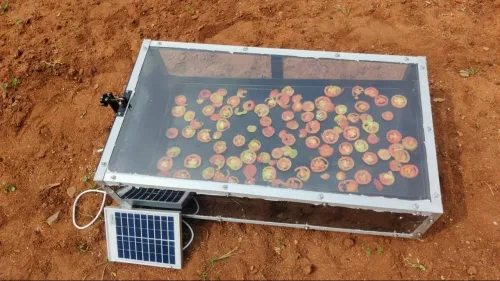
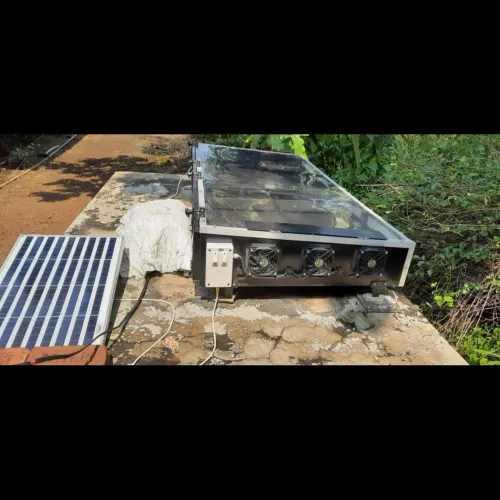
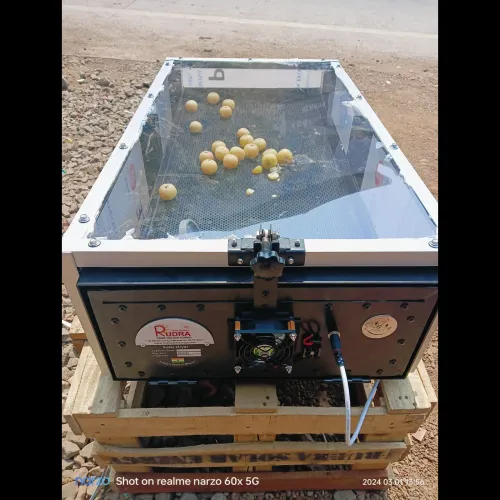
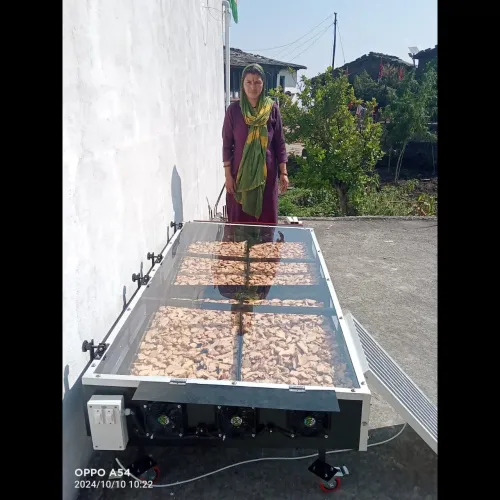
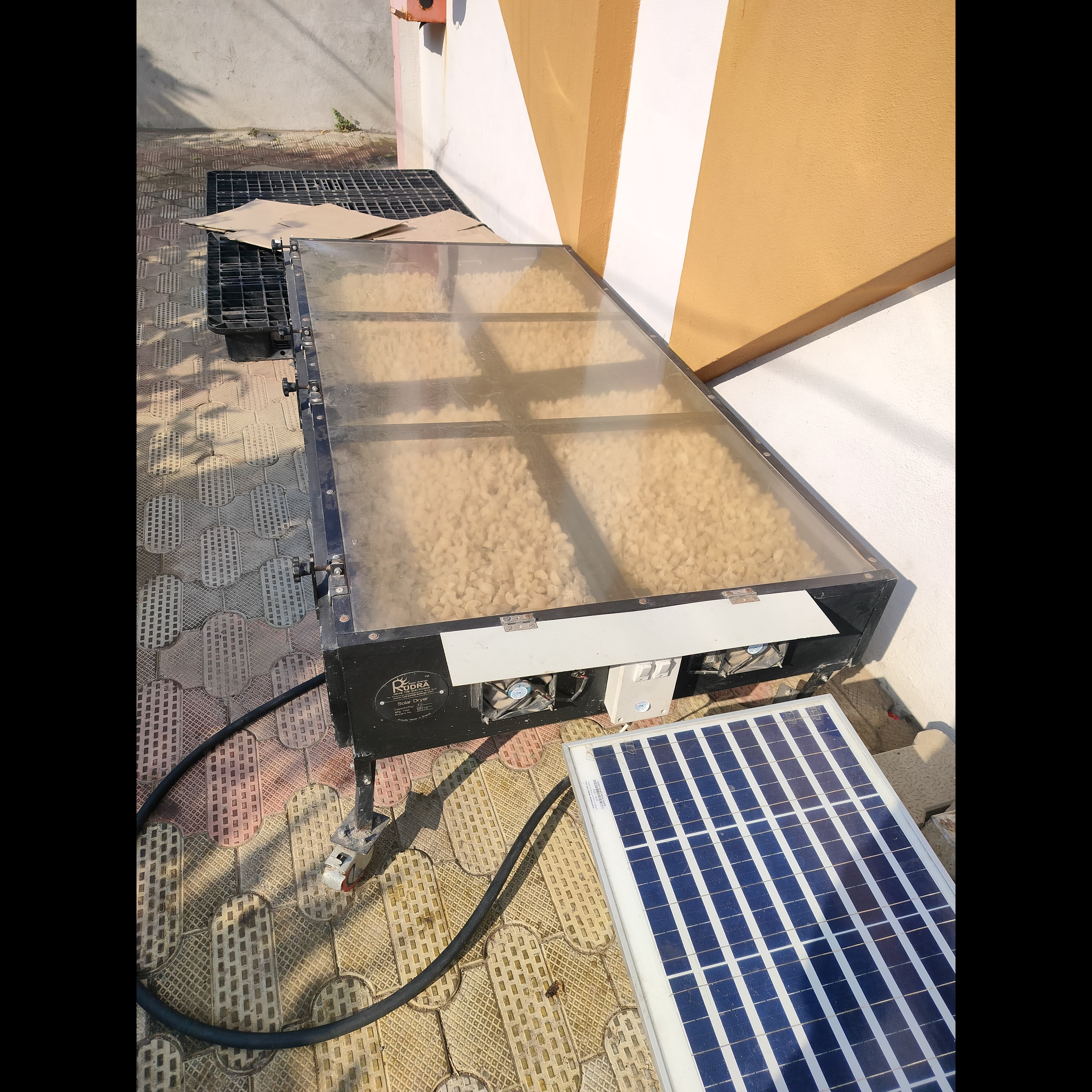
A solar dryer uses available solar heat and controlled airflow to remove moisture from suitable products. The produce stays inside the drying chamber instead of being spread out in an exposed outdoor area.
Why Solar Drying Has Practical Value in Khammam
There is no single product that defines agriculture in Khammam. Paddy, cotton, maize and pulses are important, while chilli and mango are also relevant to local horticulture and processing.
Chilli, in particular, has a strong connection with value-added processing in the district. The district has also been identified for chilli-based products under the PMFME One District One Product programme.
That makes drying an interesting part of the local processing chain.
The difference between open-air drying and enclosed solar drying is fairly straightforward. With open drying, the process is closely tied to the weather and the condition of the drying area. Dust, insects, rain and other outdoor factors can also become a concern.
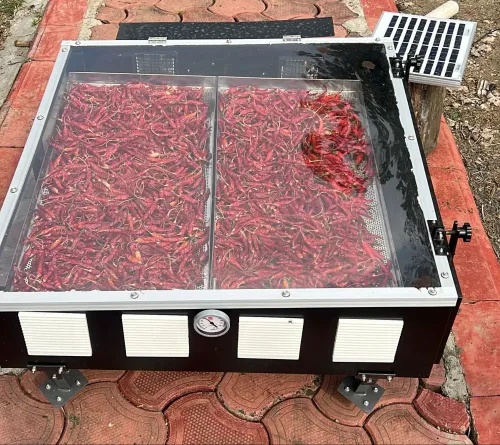
With an enclosed solar dryer, the produce is placed inside a chamber and warm air is circulated through it. This gives the operator a more organised drying environment.
It is worth keeping one thing in mind, though: there is no universal drying time or temperature for every product. Chilli, mango, leafy vegetables and grains all behave differently. Initial moisture, cutting or preparation, quantity, airflow, humidity, sunlight and weather conditions can all affect the actual process.
Chilli Drying: A Relevant Application for Khammam
If you are looking at solar drying applications specifically for Khammam, chilli deserves special attention.
Local district information connects chilli with processing activities such as chilli powder, chilli flakes and other value-added products. It also mentions solar drying of chillies, which makes the application particularly relevant here.
A simple processing flow could look like this:
Fresh Chilli → Sorting & Preparation → Solar Drying → Dried Chilli → Grinding / Flaking → Packaging
The dryer is responsible for the drying stage. It does not replace the grinder or other equipment used later in the process.
For a small chilli processor, the requirement may be limited to a manageable batch size. A larger business or FPO may need a different chamber arrangement and higher capacity. That is why choosing a commercial solar dryer for chilli should start with the actual quantity and workflow rather than simply choosing a machine because it has a larger capacity.
Mango, Vegetables and Other Produce
Chilli is not the only possible application.
Mango is an important fruit crop in the district, and prepared mango pieces can be dried for suitable food-processing applications. Vegetables can also be considered where the finished product calls for moisture reduction.
The preparation itself can be different for every product. Slicing thickness, size, surface area and the amount of material loaded into the dryer can all influence the process.
For a small food business, drying may be one step in a simple value-addition activity. For a growing processor, the same step may sit between raw-material preparation and packaging or further processing.
A reliable solar drying system can therefore become useful as the business moves from occasional drying towards regular production.
Drying Vegetables, Herbs and Spices
Khammam's horticultural activity includes vegetables such as tomato, brinjal, cucumber, bhendi, gourds, green chilli and leafy vegetables.
Of course, not all of them will be dried in exactly the same way. The intended product matters.
For example, dried material may later be used for:
- Powder or flake preparation
- Food blends
- Ingredient processing
- Packaging and retail products
- Other value-added food products
The same principle applies to herbs and spices.
A high-efficiency solar drying system should be selected after considering what is actually going inside the chamber. A machine used regularly for chilli processing may need a different arrangement from one intended for fruits or leafy vegetables.
Pulses, Maize and Grain-Based Drying
Pulses and grains are another part of Khammam's agricultural profile. Local crops include red gram, greengram, blackgram, maize and paddy.
For suitable applications, drying can form part of post-harvest handling or food processing. Here again, the quantity makes a big difference.
A farmer handling a small quantity and an FPO collecting produce from several growers are solving two different processing problems. The dryer capacity, loading method, tray arrangement and operating schedule should reflect that difference.
This is also why high-quality solar drying equipment should be selected around the product and process, not just the advertised machine size.
Choosing the Right Solar Dryer
When someone asks us which solar dryer they should buy, the first question should really be: What are you planning to dry, and how much?
Once that is clear, other things become easier to decide.
Product
Chilli, mango, vegetables, herbs, pulses and grains have different drying requirements. The product should be discussed before finalising the machine.
Chamber Design
An enclosed chamber gives the produce a more protected environment than open-sun drying. It helps reduce direct exposure to dust, insects, rain, birds and other outdoor conditions.
Airflow
Air movement is an important part of moisture removal. The chamber, trays and airflow arrangement should work together rather than being considered separately.
Trays and Materials
For food-processing applications, the material used around the product matters. Depending on the model and requirement, food-grade aluminium or SS 304 tray options can be considered.
A durable solar drying machine should also be practical for regular operation and maintenance.
Capacity
Capacity should be based on the amount of fresh material you actually want to process.
If the requirement is a few kilograms from time to time, there is little reason to approach the purchase in the same way as a commercial processor handling regular batches.
Solar and Backup Heating
Solar heat is the main source of heat in a solar drying system. Depending on the model, hybrid heating or backup arrangements may also be available when additional operating flexibility is required.
Solar Dryers for Farmers, FPOs, SHGs and MSMEs
Solar drying is not limited to large food factories.
A farmer who grows chilli, mango or vegetables may want to add a drying step before selling or processing the produce. An FPO may need a larger setup because produce is being collected from several farmers. An SHG may use drying as one part of a small food-processing activity.
For an MSME, the requirement can be more production-oriented. Batch size, working hours, available space and the next processing stage all become important.
In each case, the machine should fit the actual work being done.
A modern solar drying system can be useful for smaller organised processing setups, while businesses with regular production may need a more commercial-grade solar dryer with a configuration suited to their throughput.
Commercial Solar Drying in Khammam
Once drying becomes a regular part of production, it helps to look at the complete workflow rather than the dryer alone.
Consider:
- How much fresh material comes in each batch?
- How is it cleaned and prepared?
- How much space is available for the dryer?
- What tray arrangement will be practical?
- How often will batches be run?
- Is additional or hybrid heating required?
- What happens to the dried material afterwards?
These questions usually give a much clearer picture of the required system than capacity alone.
For a chilli processor, for example, the dryer may sit between raw chilli preparation and grinding or flaking. For a fruit processor, the next stage may be packaging or another form of processing.
An advanced commercial solar drying system can make sense where drying is becoming a structured part of the business, but the configuration should still be selected around the actual application.
From Chilli Drying to Chilli Powder
Khammam's chilli-processing activity is a good example of why the drying stage should be viewed as part of the complete process.
A processor may work through something like:
Fresh Chilli → Sorting → Preparation → Solar Drying → Dried Chilli → Grinding / Flaking → Packaging
The solar dryer removes moisture from the prepared chilli. Grinding comes afterwards.
So, if the final business plan is to sell chilli powder, the dryer and grinder should not be treated as the same machine. They perform two different jobs.
This simple distinction becomes important when planning a commercial processing unit.
Solar Dryer vs Open-Sun Drying
Open-sun drying is simple and has been used for a long time. It may still be suitable for certain products and smaller quantities.
The difficulty comes when the process needs more protection and consistency in day-to-day handling.
A solar dryer can provide:
- An enclosed drying area
- Less direct exposure to dust and insects
- Protection from rain and other outdoor conditions
- Managed airflow inside the chamber
- Solar-based heating
- Different capacity options
- Hybrid heating options in selected models
It does not remove the need for good preparation, hygiene, handling, packaging or storage. Those parts of the process still matter.
The benefit is that drying can be moved from an exposed outdoor activity into a more organised setup.
Rudra Solar Energy – Solar Dryer Manufacturer Serving Khammam
Rudra Solar Energy is an Ahmedabad-based manufacturer of solar drying systems for agricultural and food-processing applications.
We work with different products and processing requirements, so the system is considered according to the application rather than treating every customer in the same way.
Our solar drying solutions can be used for suitable applications involving fruits, vegetables, spices, herbs, grains, seeds, pulses, fish, flowers and other agricultural products.
Depending on the model, a system may include an enclosed chamber, forced airflow, food-grade tray options and hybrid heating arrangements.
With more than 20 years of experience in solar energy and drying solutions, Rudra Solar Energy works with farmers, FPOs, SHGs, MSMEs and commercial food-processing businesses looking for high-quality solar drying solutions.
If you are based in Khammam and are unsure which configuration would suit your product, the useful starting point is simply the product and quantity. Once those details are known, the machine requirement becomes much clearer.
Who Can Consider a Solar Dryer in Khammam?
A solar dryer can be relevant for different types of users, including:
- Chilli farmers and processors
- Mango and fruit processors
- Vegetable processing businesses
- Spice and herb processors
- Pulse and grain processors
- Farmer Producer Organisations
- Self-Help Groups
- Agricultural entrepreneurs
- Food-processing MSMEs
- Commercial processing units
The requirement will naturally differ between them. A small processing activity may need a compact setup, while a commercial unit may need a larger and more professional solar drying solution.
Frequently Asked Questions
1. Is a solar dryer suitable for chilli drying in Khammam?
Yes. Chilli is an important crop and processing activity in Khammam, and district-level information also mentions solar drying of chillies.
2. Can dried chilli be used to make chilli powder?
Yes. Drying and grinding are separate stages. Once the chilli has been suitably dried, it can move to grinding or flaking as required.
3. What other products can be dried?
Depending on the application, solar dryers can be used for suitable fruits, vegetables, herbs, spices, pulses, grains and other agricultural products.
4. Can an FPO use a commercial solar dryer?
Yes. An FPO handling produce from multiple farmers may require a commercial configuration. The required capacity should be based on the quantity being collected and the planned processing schedule.
5. Are solar dryers suitable for SHGs?
Yes. An appropriately sized system can be part of an SHG food-processing setup. The product, quantity and intended finished product should be considered before selecting the dryer.
6. What should I check before buying a high-quality solar dryer?
Look at the product application, capacity, chamber design, airflow, tray material, construction and heating options. It is more useful to match the machine to the actual processing requirement than to select one only on the basis of advertised capacity.
7. Can a solar dryer be used for commercial food processing?
Yes. Solar drying can form one stage of a commercial food-processing workflow where the product is suitable for solar drying.
8. Does the solar dryer also make powder?
No. The dryer is used for moisture reduction. Grinding or powder preparation requires separate equipment.
Looking for a Solar Dryer in Khammam?
If you are working with chilli, mango, vegetables, pulses, grains, spices or another suitable agricultural product, start with two things: what you want to dry and how much fresh material you need to process.
Whether you are a farmer, FPO, SHG, MSME or commercial food processor in Khammam, Telangana, you can share those details with Rudra Solar Energy. Our team can then understand the application and guide you towards a suitable drying configuration.
Rudra Solar Energy Pvt. Ltd.
Ahmedabad, Gujarat, India
Call: 9429446671 | 7041262332
Email: rudrasolar@gmail.com
Website: rudrasolar.in
Corporate: rudrasolarenergy.com
Solar Drying: solardrying.co.in
Keywords