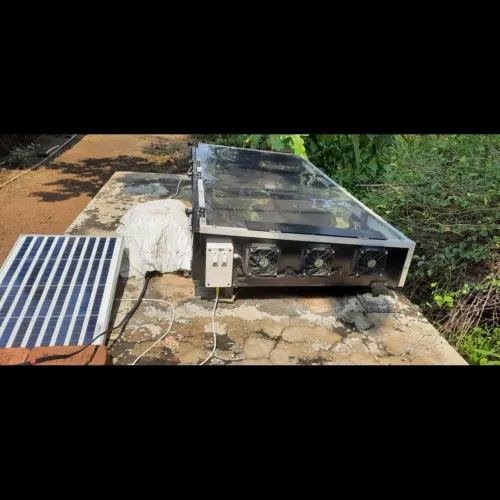
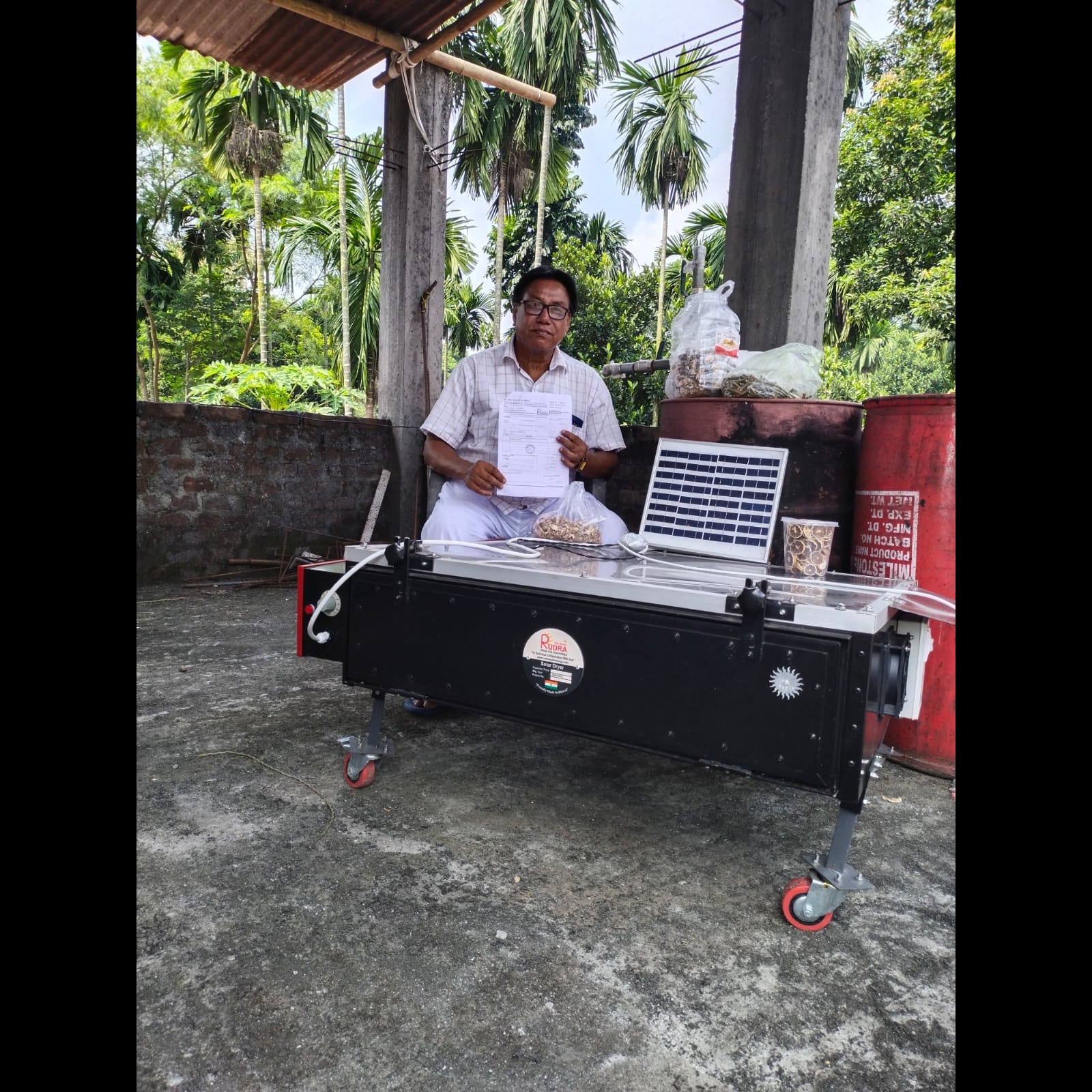
Solar Dryer Manufacturer and Supplier in Sri Sathya Sai, Andhra Pradesh
Sri Sathya Sai district has an agricultural economy shaped by both field crops and horticulture. Groundnut, redgram, jowar, rice, maize, cotton and castor are among the crops cultivated in the district. Horticulture adds another important dimension, particularly through sweet orange, mango, pomegranate, papaya, banana and guava.
Sweet orange is a prominent horticulture crop in the district, followed by mango. This fruit-growing activity creates opportunities for local entrepreneurs and food processors to explore value-added products alongside fresh-fruit marketing.
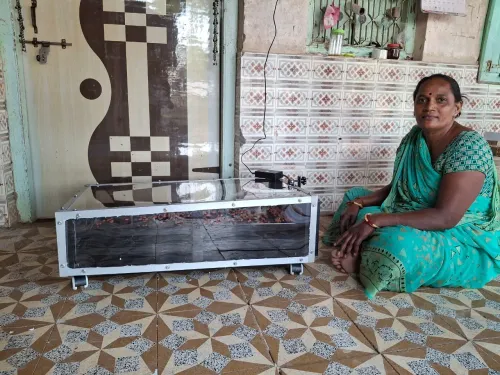
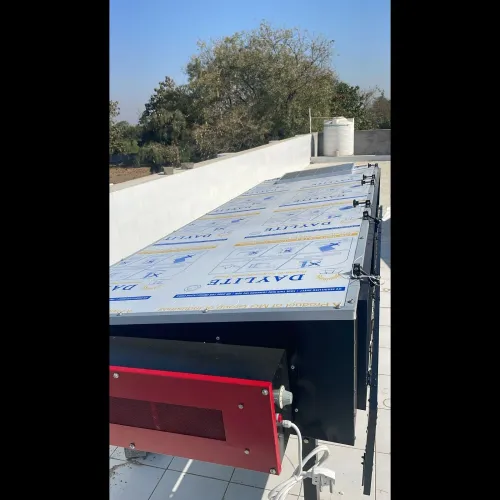
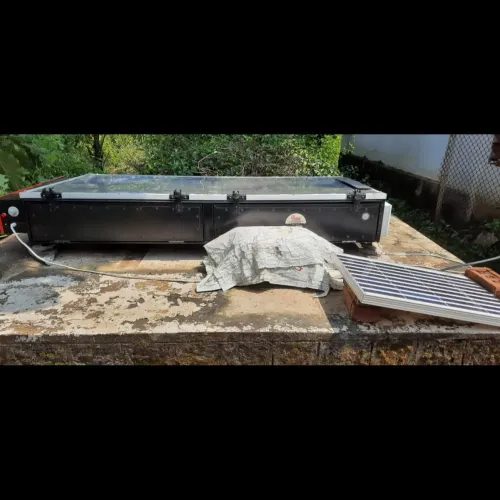
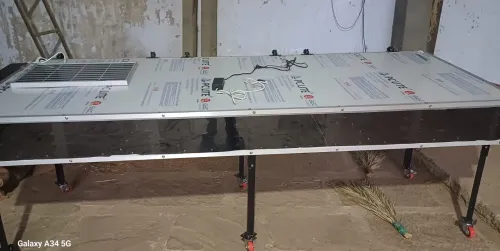
Rudra Solar Energy offers high-quality solar drying machines for organised batch processing of suitable fruits, vegetables, spices, herbs and other agricultural produce. Farmers, FPOs, SHGs and food-processing businesses can consider solar drying when they have suitable raw materials and a clear application for the finished product.
Solar Drying Opportunities for Sri Sathya Sai's Horticulture Crops
Sweet Orange and Mosambi
Sweet orange is one of the major horticulture crops in Sri Sathya Sai district. Prepared citrus slices and peel can be considered for solar drying, depending on the intended product. Dried citrus material may find applications in food ingredients, beverage preparations and other suitable processing uses.
Mango
Mango growers and fruit processors can explore drying prepared mango slices and pieces. The process can support the development of dried fruit products when the fruit variety, maturity, preparation method and market requirements are properly considered.
Pomegranate
Pomegranate is another horticulture crop cultivated in the district. Selected processing applications may include drying suitable pomegranate components or preparing ingredients for further food processing. The product specification and drying method should be established before choosing a machine configuration.
Papaya, Banana and Guava
These fruits can also be considered for solar drying in suitable prepared forms. Slices or pieces can be arranged on trays for batch processing, with preparation and drying conditions adjusted according to the fruit and required final moisture condition.
Solar Drying and Agricultural Processing Beyond Fruits
Groundnut, redgram, maize, jowar and other field crops contribute to the district's agricultural activity. However, each commodity has different post-harvest handling and drying requirements. A food solar dryer should be selected for applications that suit its design and operating conditions rather than treating every field crop as an identical drying requirement.
For horticulture produce and selected food-processing applications, an enclosed solar dryer can provide an organised alternative to open-air drying. Managed airflow and tray-based loading help businesses handle prepared materials in a more structured setup.
Rudra Solar Dryer Capacity for Farmers and Businesses
Rudra Solar Energy offers solar dryer configurations with approximate fresh-input capacities ranging from 5 kg to 500 kg per batch, depending on the selected model.
Different users can assess capacity according to their processing requirements:
- Individual farmers and fruit growers: Smaller systems for processing suitable quantities of seasonal produce.
- FPOs and farmer groups: Shared drying facilities based on members' combined raw-material availability.
- SHGs and women entrepreneurs: Compact configurations for exploring dried-fruit and other food-product businesses.
- Food-processing MSMEs: Commercial-grade systems for planned batch production.
- Larger processing businesses: Higher-capacity configurations based on fresh input, tray requirements and production frequency.
The actual capacity requirement depends on the commodity, fresh input quantity, preparation method, available space and intended production schedule.
Supporting Local Food Processing and Rural Enterprises
For entrepreneurs in Sri Sathya Sai district, solar drying can be evaluated as one stage in a broader food-processing activity. Sweet orange, mango, papaya and other suitable fruits can be assessed for dried-food applications based on seasonal supply, product quality requirements and buyer demand.
FPOs may consider shared processing infrastructure, while SHGs and rural entrepreneurs can explore small-batch products before expanding their operations. Established food businesses can assess higher-capacity solar dryers when their raw-material supply and sales channels support regular production.
A solar dryer reduces moisture from prepared produce. It does not replace cleaning, grading, packaging or other processing steps. If the finished dried material needs to be converted into powder, a separate grinder or pulveriser is required.
Choose a Reliable Solar Dryer in Sri Sathya Sai
Selecting the right solar drying machine starts with understanding the product you want to process. Fruit variety, fresh input per batch, slice thickness, tray loading, airflow requirements and desired final moisture condition all influence the selection.
Rudra Solar Energy provides advanced solar dryer options for farmers, FPOs, SHGs, rural entrepreneurs and commercial food-processing businesses. Discuss your produce and processing requirements with the team to identify a suitable configuration.
Frequently Asked Questions
1. Where can I find a solar dryer in Sri Sathya Sai district?
Farmers, FPOs, SHGs and food-processing businesses can contact Rudra Solar Energy to discuss suitable solar dryer models and batch capacities for their applications.
2. Which fruits from Sri Sathya Sai can be processed in a solar dryer?
Suitable applications may include sweet orange, mango, pomegranate, papaya, banana and guava, depending on the preparation method and intended dried product.
3. Can sweet orange and mosambi be dried in a solar dryer?
Yes. Prepared citrus slices and peel can be considered for solar drying. The operating conditions should be selected according to the intended product.
4. Is a solar dryer suitable for mango and papaya processing?
Yes. Prepared mango and papaya slices or pieces can be processed in a suitably configured solar dryer with appropriate tray loading and drying conditions.
5. Can FPOs and SHGs use commercial solar drying machines?
Yes. FPOs and SHGs can evaluate suitable dryer capacities for shared processing activities or small food businesses, depending on their produce availability and production requirements.
6. What is the available solar dryer capacity for businesses in Sri Sathya Sai?
Rudra Solar Energy offers configurations ranging approximately from 5 kg to 500 kg fresh input per batch, depending on the selected model.
7. Can groundnut and redgram be processed in the same solar dryer used for fruits?
Not automatically. Field crops and fruits have different post-harvest requirements. The suitability of a dryer must be checked for the specific commodity and intended process.
8. Does a solar dryer turn dried fruits into powder?
No. The dryer performs the moisture-reduction stage. A separate grinder or pulveriser is needed to convert dried fruits or other materials into powder.
Contact Rudra Solar Energy
Looking for a reliable and efficient solar dryer in Sri Sathya Sai, Andhra Pradesh? Contact Rudra Solar Energy to discuss suitable solar drying machines for sweet orange, mango, papaya, pomegranate, vegetables and other suitable agricultural produce. Share your fresh input capacity and processing requirements to explore the right configuration for your business.
Keywords