
Solar Dryer And Its Benefits For Farmers
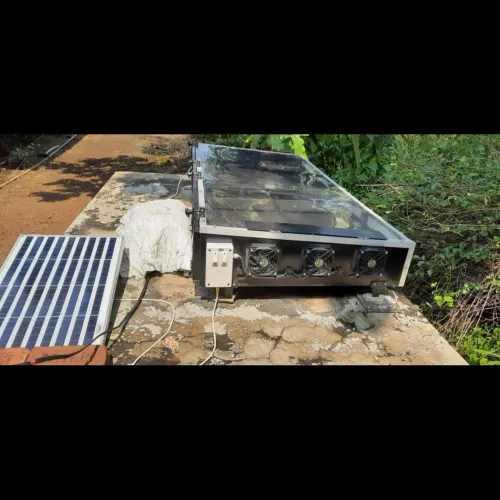
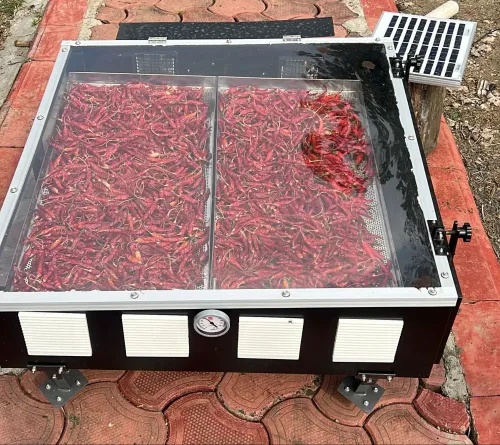
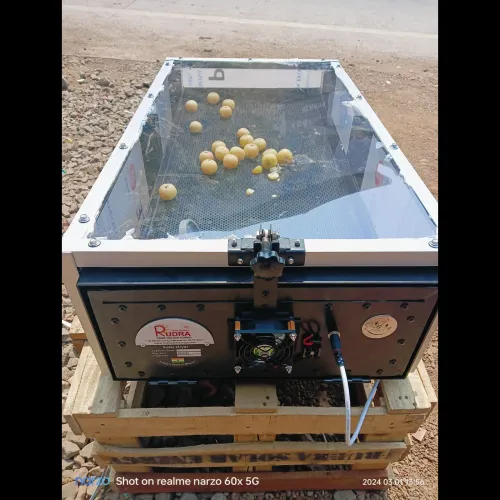
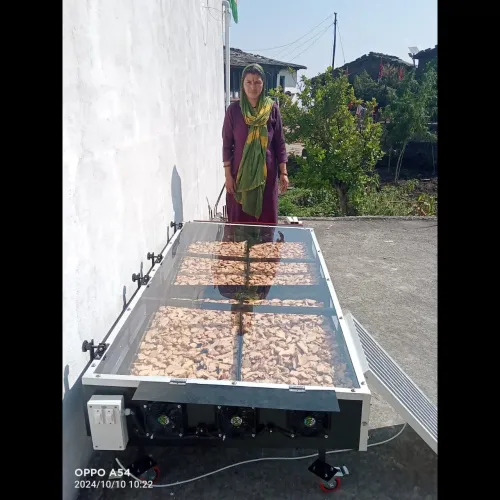
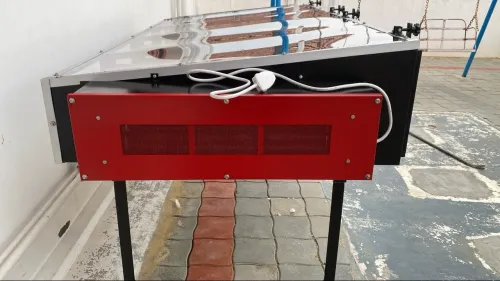
A solar dryer is a device that utilizes solar energy to dry agricultural products such as fruits, vegetables, grains, and herbs. It typically consists of a drying chamber, a solar collector (usually made of glass or plastic), and a ventilation system. Here are some benefits of using solar dryers for farmers:
1. **Energy Efficiency**: Solar dryers use renewable energy from the sun, making them highly energy-efficient and environmentally friendly. They reduce the dependency on fossil fuels or electricity, leading to cost savings for farmers in the long run.
2. **Reduced Spoilage**: By drying crops quickly and efficiently, solar dryers help reduce the risk of spoilage and loss during storage. Properly dried crops have a longer shelf life, allowing farmers to store and market their produce over an extended period.
3. **Improved Product Quality**: Solar drying preserves the nutritional content, flavor, and color of agricultural products better than traditional drying methods such as sun drying or using fuel-powered dryers. This can lead to higher-quality products that fetch better prices in the market.
4. **Increased Income**: With solar dryers, farmers can add value to their produce by selling dried fruits, vegetables, or herbs at a premium price, especially in off-seasons when fresh produce is scarce. This additional income contributes to the economic sustainability of farming communities.
5. **Year-round Drying**: Unlike sun drying, which is dependent on weather conditions, solar dryers can operate efficiently even during cloudy or rainy days, as long as they receive sufficient sunlight. This allows farmers to dry their produce consistently throughout the year, reducing the impact of seasonal variations.
6. **Post-Harvest Loss Reduction**: Post-harvest losses are a significant challenge for farmers, particularly in developing countries. Solar dryers help minimize these losses by providing a reliable and efficient method for drying surplus produce, thereby improving food security and livelihoods.
7. **Health and Hygiene**: Solar dryers offer a cleaner and more hygienic drying environment compared to traditional methods, which often involve exposure to dust, insects, and other contaminants. This can help ensure food safety and reduce the risk of contamination-related illnesses.
8. **Versatility**: Solar dryers can be designed and adapted to suit various types of agricultural products and processing capacities, ranging from small-scale units for individual farmers to larger systems for cooperatives or agro-processing enterprises.
In summary, solar dryers offer numerous benefits to farmers, including energy efficiency, reduced spoilage, improved product quality, increased income, year-round operation, post-harvest loss reduction, health and hygiene advantages, and versatility in application. Integrating solar drying technology into agricultural practices can contribute to sustainable development, resource conservation, and poverty alleviation in rural areas.
A solar dryer is a device that utilizes solar energy to dry agricultural products such as fruits, vegetables, grains, and herbs. It typically consists of a drying chamber, a solar collector (usually made of glass or plastic), and a ventilation system. Here are some benefits of using solar dryers for farmers:
1. **Energy Efficiency**: Solar dryers use renewable energy from the sun, making them highly energy-efficient and environmentally friendly. They reduce the dependency on fossil fuels or electricity, leading to cost savings for farmers in the long run.
2. **Reduced Spoilage**: By drying crops quickly and efficiently, solar dryers help reduce the risk of spoilage and loss during storage. Properly dried crops have a longer shelf life, allowing farmers to store and market their produce over an extended period.
3. **Improved Product Quality**: Solar drying preserves the nutritional content, flavor, and color of agricultural products better than traditional drying methods such as sun drying or using fuel-powered dryers. This can lead to higher-quality products that fetch better prices in the market.
4. **Increased Income**: With solar dryers, farmers can add value to their produce by selling dried fruits, vegetables, or herbs at a premium price, especially in off-seasons when fresh produce is scarce. This additional income contributes to the economic sustainability of farming communities.
5. **Year-round Drying**: Unlike sun drying, which is dependent on weather conditions, solar dryers can operate efficiently even during cloudy or rainy days, as long as they receive sufficient sunlight. This allows farmers to dry their produce consistently throughout the year, reducing the impact of seasonal variations.
6. **Post-Harvest Loss Reduction**: Post-harvest losses are a significant challenge for farmers, particularly in developing countries. Solar dryers help minimize these losses by providing a reliable and efficient method for drying surplus produce, thereby improving food security and livelihoods.
7. **Health and Hygiene**: Solar dryers offer a cleaner and more hygienic drying environment compared to traditional methods, which often involve exposure to dust, insects, and other contaminants. This can help ensure food safety and reduce the risk of contamination-related illnesses.
8. **Versatility**: Solar dryers can be designed and adapted to suit various types of agricultural products and processing capacities, ranging from small-scale units for individual farmers to larger systems for cooperatives or agro-processing enterprises.
In summary, solar dryers offer numerous benefits to farmers, including energy efficiency, reduced spoilage, improved product quality, increased income, year-round operation, post-harvest loss reduction, health and hygiene advantages, and versatility in application. Integrating solar drying technology into agricultural practices can contribute to sustainable development, resource conservation, and poverty alleviation in rural areas.
Keywords