Best Solar Dryer in Leparada, Arunachal Pradesh for Agricultural Processing and Value Addition
Leparada district, with its headquarters at Basar in Arunachal Pradesh, has a strong agricultural and horticultural base. Farming communities cultivate a variety of crops, including paddy, maize, millet, pulses, ginger, potato, chillies and vegetables. The district also has horticultural produce such as orange, pineapple, guava, papaya, lemon, litchi and large cardamom.
Agriculture is an important source of livelihood in the district. Alongside traditional farming, opportunities in food processing, post-harvest management and agricultural value addition can help local farmers and entrepreneurs explore new market possibilities.
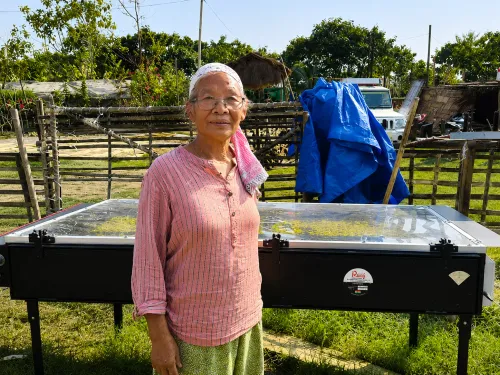
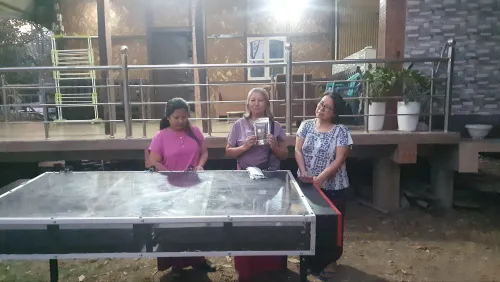
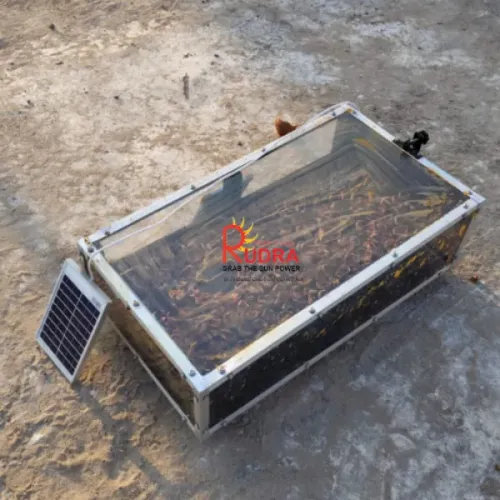
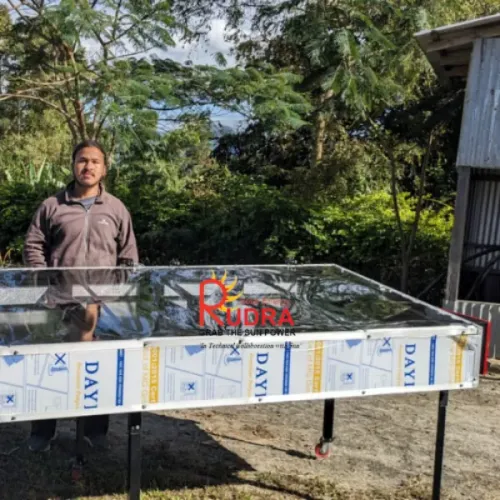
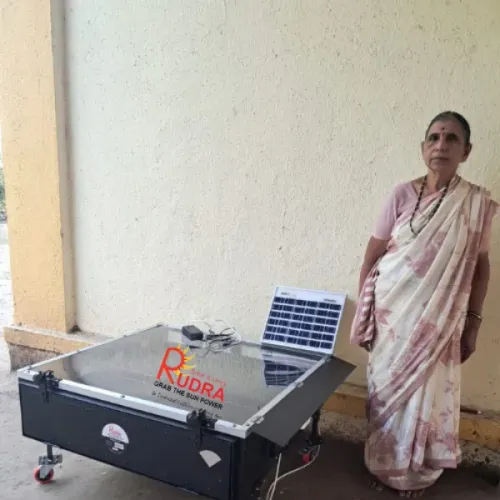
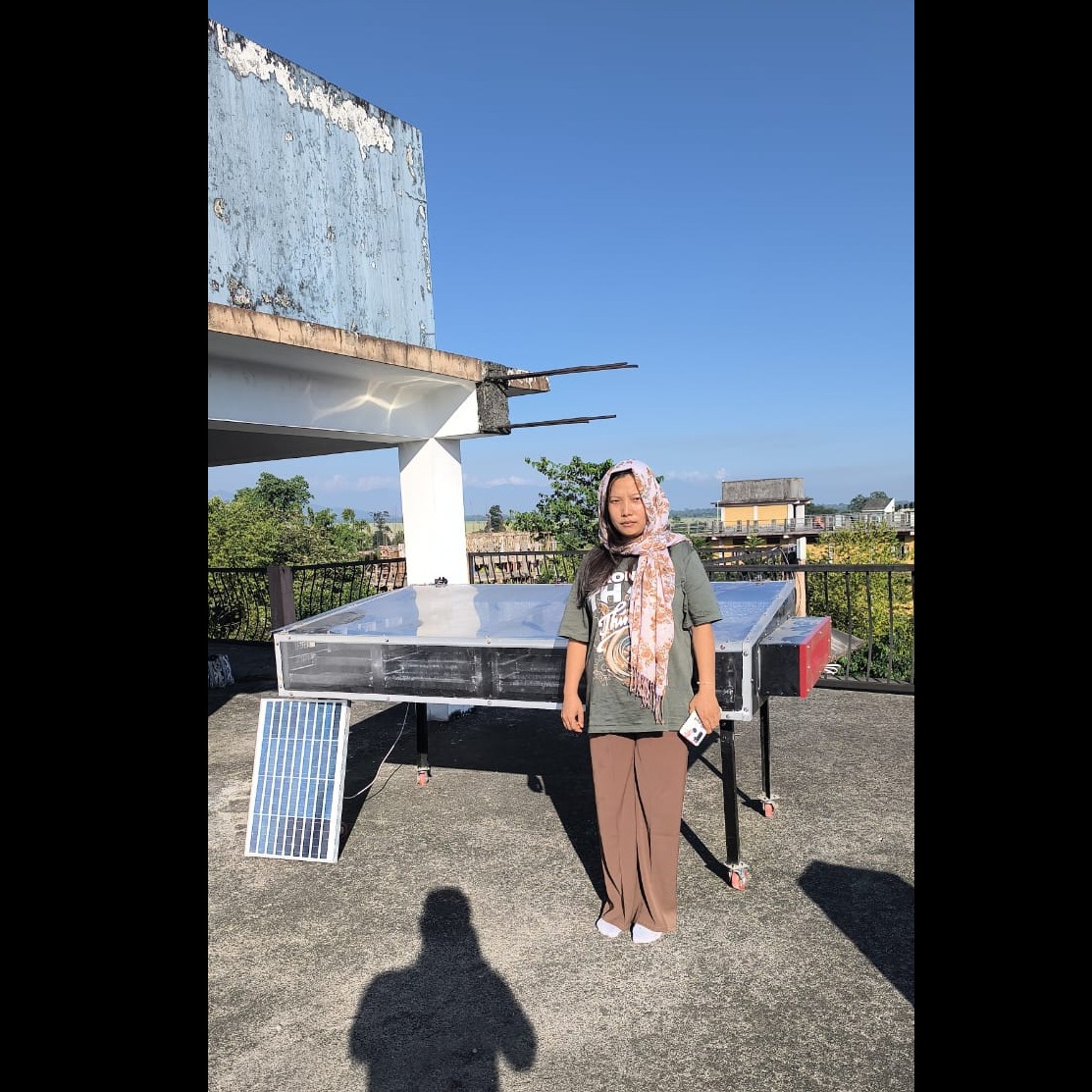
A suitable solar dryer in Leparada can support these activities by reducing moisture in suitable agricultural products using solar energy. Solar drying equipment can be considered by farmers, Farmer Producer Organisations (FPOs), Self-Help Groups (SHGs) and food-processing businesses looking to develop organised drying operations.
Finger Millet and Traditional Crop Processing in Leparada
Millet cultivation and awareness have received attention in Leparada through agricultural training and farmer-support activities.
Finger millet, also known as ragi, is one of the crops that offers opportunities for further agricultural processing. In February 2026, ICAR Arunachal Pradesh Centre organised millet cultivation and awareness programmes in villages across Leparada, including Nyorok, Daring, Tirbin, Gori I and II, and Nigam.
Proper post-harvest handling is an important consideration for millet producers. Depending on the intended application, suitable drying equipment can help reduce moisture in harvested millet before further processing.
Other agricultural products, including maize, ginger, turmeric and chillies, also offer potential applications for solar drying.
Solar Drying Applications for Leparada's Agricultural Produce
Different agricultural products require different preparation methods and drying conditions. A properly selected solar drying machine can support several post-harvest processing applications.
1. Finger Millet and Other Millets
Millet grains can be dried when moisture reduction is required before further handling or processing. Suitable drying conditions should be selected according to grain quality and intended use.
2. Ginger Processing
Ginger is an important agricultural product in the region. Cleaned and sliced ginger can be processed using suitable solar drying equipment to prepare dried ginger for spice processing and other food applications.
3. Turmeric and Chillies
Turmeric pieces and chillies can be dried using appropriate solar drying systems. The process requires suitable preparation, airflow and crop-specific drying conditions.
4. Orange and Citrus Fruits
Orange slices and other suitable citrus products can be processed into dried fruit ingredients. These products can be explored for food preparation, herbal blends and other value-added applications.
5. Pineapple, Guava and Papaya
Selected fruits can be washed, prepared and sliced for solar dehydration. Dried fruit products can provide opportunities for small-scale food businesses and commercial processors.
6. Potato and Other Vegetables
Potato slices and suitable vegetables can be processed into dried ingredients for further food applications. Product preparation and drying conditions should be selected according to the intended end use.
7. Maize and Agricultural Grains
Maize and other suitable grains can also be considered for moisture-reduction applications using appropriate drying equipment.
Why Invest in a High Quality Solar Dryer?
Open-sun drying is commonly used in agricultural processing, but it exposes produce directly to surrounding environmental conditions. Dust, insects, unexpected rainfall and inconsistent drying conditions can create difficulties during post-harvest handling.
An enclosed solar dryer provides a more controlled drying environment and helps reduce direct exposure to external contaminants.
When choosing a high quality solar drying machine, farmers and food-processing businesses should evaluate:
- Batch Capacity: Select a suitable machine according to the quantity of fresh produce processed per batch.
- Drying Chamber Design: Consider the arrangement of trays and available drying space.
- Airflow Management: Proper airflow is an important factor in achieving suitable drying conditions.
- Food-Grade Materials: Evaluate the materials used for surfaces that come into contact with food.
- Temperature Requirements: Different crops require different operating conditions.
- Construction Quality: Consider durability, maintenance and long-term operating requirements.
- Backup Heating: Where available and applicable, evaluate additional heating arrangements according to local operating needs.
Selecting an appropriate machine can help businesses organise their drying operations and explore value-added agricultural products.
Rudra Solar Energy – Reliable Solar Dryer Manufacturer in India
Rudra Solar Energy is an Ahmedabad-based solar dryer manufacturing company established in 2006. The company provides solar drying solutions for farmers, agricultural entrepreneurs, food processors and commercial businesses.
Its product range includes different solar dryer capacities, approximately 5 kg to 500 kg fresh-input capacity per batch, depending on the model.
These machines can be explored for suitable applications involving:
- Fruits and horticultural produce.
- Vegetables and leafy produce.
- Spices and herbs.
- Grains and millets.
- Seeds and other agricultural products.
- Commercial food-processing applications.
Rudra Solar Energy focuses on providing suitable solar drying equipment according to the customer's crop type, batch capacity and processing requirements.
For agricultural entrepreneurs in Basar and other parts of Leparada, selecting the right solar dryer starts with understanding the produce to be processed and the intended production scale.
Solar Drying Opportunities for Farmers, FPOs and SHGs in Leparada
Agricultural value addition can create opportunities beyond the sale of fresh produce.
Farmers and rural entrepreneurs can explore different processing activities using suitable solar drying equipment.
For Farmers: Dry suitable agricultural produce and explore additional post-harvest processing options.
For FPOs: Consider collective processing facilities for fruits, spices, vegetables and other suitable crops.
For SHGs: Explore small-scale dried food products and agricultural entrepreneurship.
For MSMEs: Evaluate commercial solar drying machines for organised food-processing operations.
For Food Entrepreneurs: Develop suitable dried fruit, vegetable, spice and grain-based products according to market requirements.
A suitable solar dryer can become part of a broader agricultural processing setup, helping businesses explore opportunities in product diversification and value addition.
Looking for the Best Solar Dryer in Leparada, Arunachal Pradesh?
Choosing the right solar dryer depends on the type of produce, fresh-input capacity, available infrastructure and intended end product.
Rudra Solar Energy provides solar drying solutions for different agricultural and commercial processing requirements across India.
If you are a farmer, FPO, SHG, MSME or food-processing entrepreneur in Leparada, contact Rudra Solar Energy to discuss your requirements and explore suitable solar drying machines.
Explore Solar Dryer Solutions: https://rudrasolar.in/
Contact Rudra Solar Energy for high quality, efficient and reliable solar drying solutions for agricultural processing in Leparada and across India.
Frequently Asked Questions About Solar Dryers in Leparada
1. Which solar dryer is suitable for farmers in Leparada?
The right solar dryer depends on the crop, fresh-input capacity, available space and drying requirements. Rudra Solar Energy offers different models for small-scale and commercial agricultural processing.
2. Can finger millet or ragi be dried using a solar dryer?
Yes. Suitable solar drying equipment can be used for moisture reduction in finger millet and other grains. The operating conditions should be selected according to the grain quality and intended application.
3. Can ginger and turmeric be dried using a solar drying machine?
Yes. Properly cleaned and prepared ginger and turmeric can be dried using suitable solar drying equipment. Slicing, product preparation and drying conditions influence the process.
4. Can orange, pineapple and guava be processed in a solar dehydrator?
Yes. Suitable fruits can be sliced and processed into dried fruit products using an appropriate solar dehydrator. Different fruits require different preparation and drying conditions.
5. What capacity solar dryers are available from Rudra Solar Energy?
Rudra Solar Energy offers different models with approximately 5 kg to 500 kg fresh-input capacity per batch, depending on the machine configuration.
6. Are solar dryers suitable for FPOs and SHGs in Leparada?
Yes. Solar dryers can be considered for collective agricultural processing, dried food production and value addition by FPOs, SHGs and rural entrepreneurs.
7. How does an enclosed solar dryer differ from open-sun drying?
An enclosed solar dryer provides a more controlled drying environment and helps protect produce from direct exposure to dust, insects and external contaminants compared with open-sun drying.
8. How can I purchase a solar dryer in Leparada, Arunachal Pradesh?
You can visit the official Rudra Solar Energy website at rudrasolar.in and submit an enquiry. Share your crop type, required batch capacity and processing requirements to explore suitable solar dryer options.
Keywords