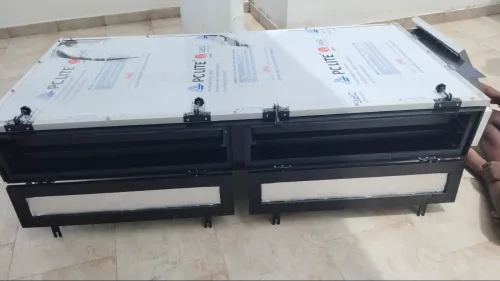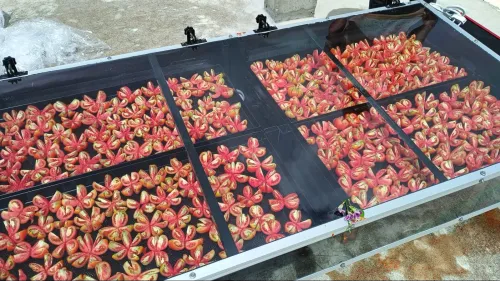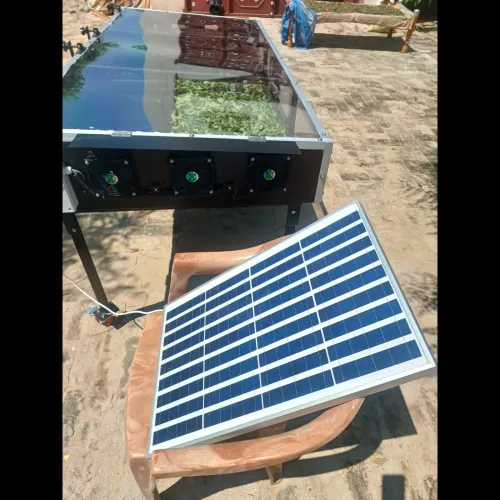
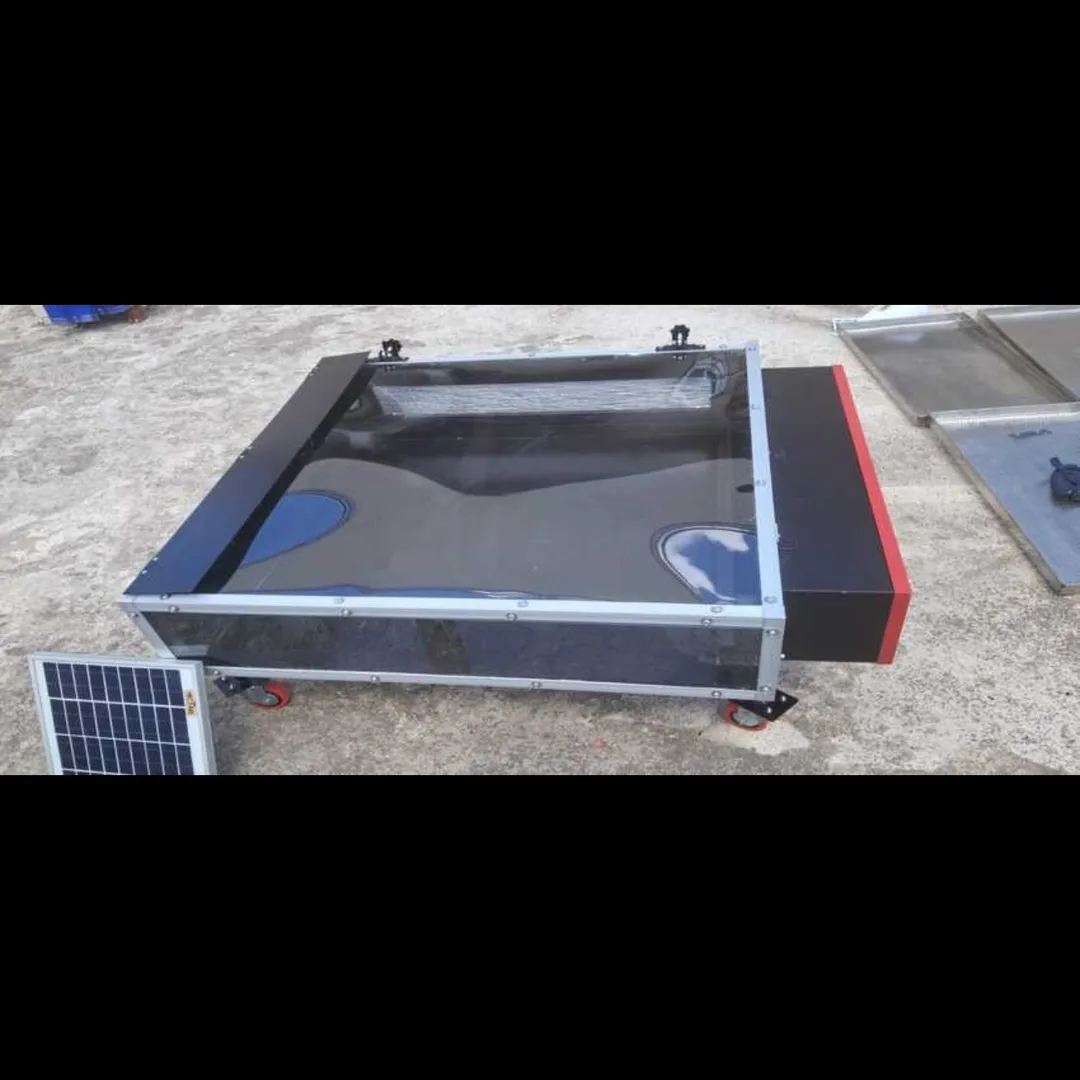
Kaushambi has a distinctive food-processing identity centred on banana and guava. The official Uttar Pradesh ODOP portal identifies food processing involving guava and banana among the district’s recognised product opportunities, while the district farming profile also records banana, guava, potato, paddy, wheat, gram and arhar.
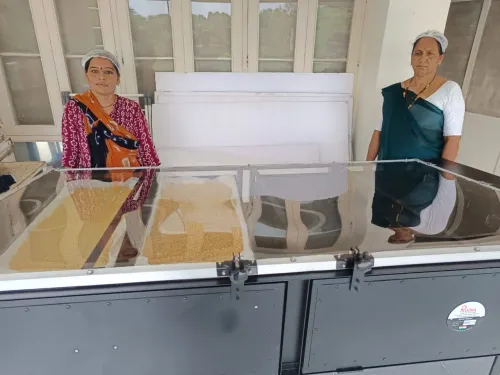
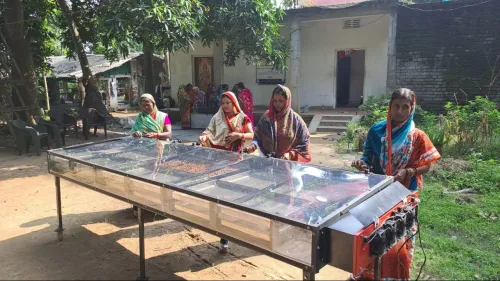
A Rudra Solar Dryer in Kaushambi can be evaluated by banana growers, guava producers, FPOs, SHGs, micro-enterprises and food-processing units interested in developing suitable dehydrated products. The dryer performs the moisture-reduction stage; washing, peeling, slicing, pulping, frying, grinding, seasoning and packaging are separate operations.
This distinction is particularly important in Kaushambi because conventional banana chips and dehydrated banana slices are not the same product.
Can a Rudra Solar Dryer Be Used for Kaushambi Banana and Guava?
Yes. Appropriately prepared banana and guava can be evaluated for solar drying where dehydration forms part of the intended processing method.
Potential applications can include:
- Dehydrated banana slices
- Dried banana pieces
- Banana powder raw material for subsequent milling
- Dried guava slices
- Prepared guava pieces
- Fruit-leather sheet drying after suitable pulp preparation
- Dried fruit ingredients for appropriate food products
- Other technically suitable value-added formats
The exact preparation depends on the proposed final product.
For banana, preparation may involve:
- Variety and maturity selection
- Sorting
- Washing
- Peeling
- Slicing
- Piece-size standardisation
- Suitable pre-treatment where required
- Consistent tray loading
Banana maturity can influence moisture, sugar content, texture, browning behaviour and drying response. Thick banana pieces should not be expected to dry at the same rate as thin, consistently prepared slices.
For guava, preparation may involve:
- Fruit selection
- Washing
- Trimming
- Slicing or cutting
- Seed-related preparation where required
- Piece-size standardisation
- Suitable pre-treatment
- Tray arrangement
Guava variety, maturity, seed structure, slice thickness and initial moisture can affect the drying process. One operating procedure should not automatically be copied from banana to guava.
Does a solar dryer manufacture conventional banana chips?
No. Conventional banana chips generally involve additional operations such as peeling, slicing and frying or another specifically designed cooking process.
A solar dryer removes moisture. It may be used to produce dehydrated banana slices or pieces, but these should not automatically be described as conventional fried banana chips.
Where a Kaushambi enterprise intends to manufacture banana chips, the complete process may include:
- Raw-banana selection
- Washing and peeling
- Slicing
- Appropriate product-specific preparation
- Frying or another intended cooking method
- Seasoning
- Cooling
- Packaging
Solar drying may support a different dehydrated-banana product line, but it does not replace every step in conventional banana-chip production.
Similarly, banana or guava powder is not produced by drying alone. Suitable dried material generally requires subsequent milling, sieving, quality assessment and food-grade packaging.
What Makes Fruit Drying in Kaushambi Technically Different?
Banana and guava are relatively high-moisture fruits. Their drying behaviour depends on both the water contained in the material and the resistance that moisture faces while moving from inside the fruit toward its surface.
Important variables include:
- Fruit variety
- Maturity
- Initial moisture
- Sugar and solid content
- Slice thickness
- Piece dimensions
- Tray loading density
- Usable drying area
- Airflow distribution
- Drying-air temperature
- Ambient humidity
- Required final moisture
- Intended final use
A tray containing highly inconsistent slice thicknesses can produce an inconsistent batch. Thin pieces may approach the required endpoint before thicker pieces.
For this reason, processors should aim for reasonable consistency in:
- Slice thickness
- Piece size
- Layer depth
- Tray loading
- Incoming fruit maturity
Increasing temperature alone does not guarantee better drying. Airflow is required to carry moisture away from the product surface. Excessive loading can limit air movement between pieces and increase the risk of uneven moisture reduction.
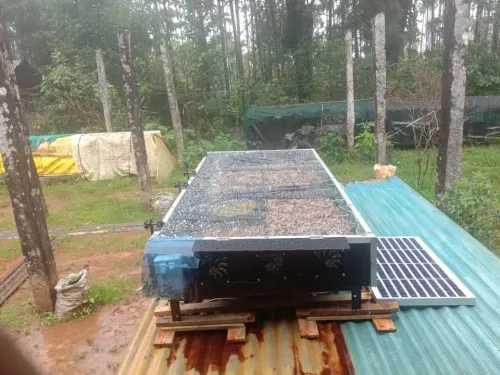
Kaushambi processors should also account for seasonal weather changes. During humid, cloudy or low-solar periods, drying may take longer. Hybrid support can be evaluated where a defined production schedule justifies additional energy input, but it is not compulsory for every application.
After drying, fruit products may require:
- Suitable cooling
- Final-moisture assessment
- Sorting
- Grading
- Packaging
- Protection from re-wetting
- Appropriate storage
Dried fruits can interact with moisture in surrounding air. Packaging and storage must therefore be planned together with the drying process.
How Should Kaushambi Buyers Select the Right Rudra Solar Dryer?
Dryer capacity should be selected according to prepared fresh input, usable tray area and daily throughput—not only according to the total kilograms quoted for a machine.
For example, 50 kg of whole incoming banana, prepared banana slices, guava pieces and potato slices will not necessarily require the same drying area.
A practical capacity assessment should consider:
Prepared Fresh Weight + Material Volume + Slice Thickness + Tray Area + Loading Depth + Moisture to Be Removed + Required Daily Output
Before requesting a model or price, a Kaushambi processor should specify:
- Banana, guava or another commodity
- Proposed final product
- Fresh incoming quantity per day
- Prepared quantity entering the dryer
- Slice or piece dimensions
- Number of required batches
- Initial and target moisture where known
- Seasonal or year-round operation
- Available installation space
- Solar-only or hybrid requirement
- Tray and contact-material preference
- Current processing method
The solar dryer price in Kaushambi can depend on capacity, usable drying area, number of trays, airflow design, material of construction, instrumentation, optional hybrid support, transportation and installation requirements.
A suitably configured dryer may process multiple compatible commodities in separate batches. When changing from banana to guava, potato or another material, the processor should review preparation, loading depth, airflow, drying conditions, cleaning and final-moisture requirements.
For selecting a Rudra Solar Dryer in Kaushambi, share the commodity, prepared daily input, proposed dried product, processing location, available space and current method. Rudra Solar Energy can then evaluate an application-appropriate capacity and system configuration.
Keywords