Mancherial is an agriculture-focused district in northern Telangana with a diverse crop base that includes rice, maize, pulses, cotton and horticultural produce. Official district and Telangana government sources document significant cultivation of rice, maize, red gram, green gram, cotton and horticulture in the district.
For local farmers, FPOs, SHGs, food processors and rural enterprises, this agricultural base also creates opportunities for value addition. In particular, Mango-based Products are identified as Mancherial's product under the PMFME One District One Product (ODOP) list, making mango processing an important local food-processing angle.
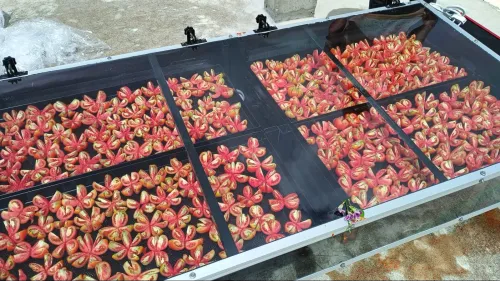
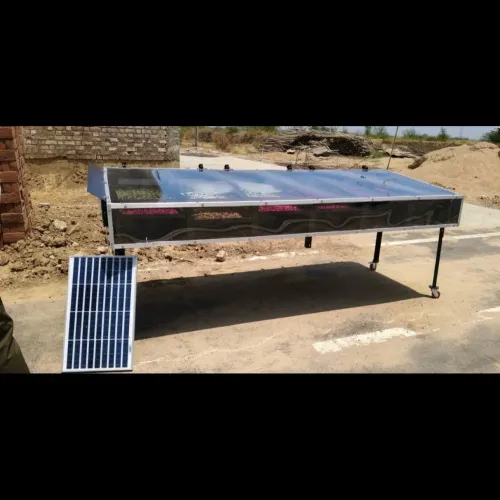
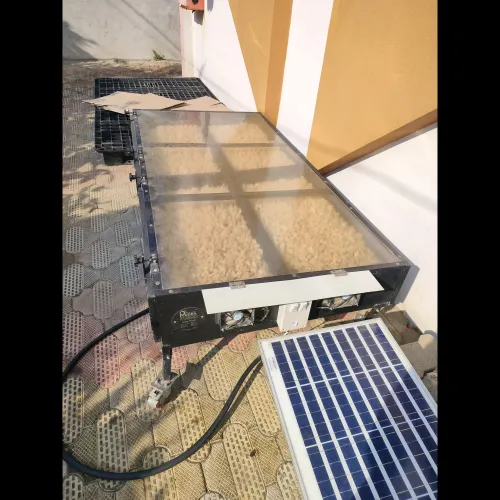
A properly selected high-quality solar dryer in Mancherial can be considered for suitable fruits, vegetables, herbs and other agricultural products where controlled moisture reduction is part of the processing workflow.
Agriculture and Food Processing in Mancherial
Agriculture continues to be an important part of Mancherial's rural economy. Government crop data records rice, maize, red gram, green gram, black gram, Bengal gram, groundnut, sunflower, chillies and cotton among the crops cultivated in the district, along with a substantial horticulture area.
Cotton has a particularly large cultivated area in the available district crop statistics, while rice and maize are also significant food crops. This combination gives local agricultural businesses opportunities across both primary production and value-added processing.
The district's official ODOP identification adds another useful direction: mango-based products. This can be relevant for entrepreneurs looking at mango processing, seasonal value addition and suitable dehydration applications.
Solar Drying Opportunity for Mango-Based Products
Mango processing is one of the clearest local angles for a solar drying solution in Mancherial.
Depending on the intended product, suitable mango material may be prepared into slices, pieces or other forms before drying. The actual preparation method depends on the final product and processing requirement.
A typical workflow can be:
Fresh Mango → Sorting & Washing → Peeling/Cutting → Preparation → Solar Drying → Moisture Check → Further Processing or Packaging
Solar drying is only one stage of this process. If the final product requires grinding, powdering, milling or another form of processing, that requires separate equipment.
The exact drying conditions should be selected according to the mango variety, maturity, preparation, thickness, initial moisture, loading quantity, airflow and desired final moisture.
Other Agricultural Applications in Mancherial
Mango is not the only potential application.
Depending on the product and processing requirement, solar drying can also be evaluated for suitable:
- Fruits
- Vegetables
- Herbs and leafy materials
- Selected pulses and agricultural products
- Food-processing ingredients
- Other suitable horticultural produce
Mancherial's documented crop profile includes rice, maize, red gram, green gram, black gram, Bengal gram, groundnut, sunflower, chillies and cotton, along with horticultural production.
Not every crop listed above is automatically suitable for the same drying method. The correct process depends on the product's moisture characteristics and the desired end use.
Why Consider a Solar Dryer in Mancherial?
Open sun drying can expose food products to dust, insects, birds and changing weather conditions. It can also make it harder to maintain consistent drying conditions.
An enclosed solar drying system can provide a more controlled environment for suitable products, with airflow and drying conditions determined by the dryer design and application.
For a farmer or food-processing business in Mancherial, the objective should be to select a drying system that matches the actual product and processing requirement rather than choosing a machine only by its advertised capacity.
A practical evaluation should consider:
- Product to be dried
- Fresh input quantity
- Batch size
- Initial moisture
- Product preparation
- Required final moisture
- Tray configuration
- Airflow requirement
- Available installation space
- Expected operating frequency
- Solar availability
- Requirement for backup or hybrid operation
Solar Dryers for Farmers and FPOs
A farmer producing suitable fruits or vegetables may use a solar dryer as part of a small-scale value-addition setup when there is a suitable market for the dried product.
For FPOs and farmer groups, a commercial solar dryer can be evaluated where produce from multiple farmers needs to be processed through a shared facility.
This can be particularly relevant when the group wants to move beyond selling only fresh produce and explore suitable processed or dried products.
The right capacity should be based on actual fresh input and operating requirements rather than simply selecting the largest available system.
Opportunities for SHGs and Rural Food Businesses
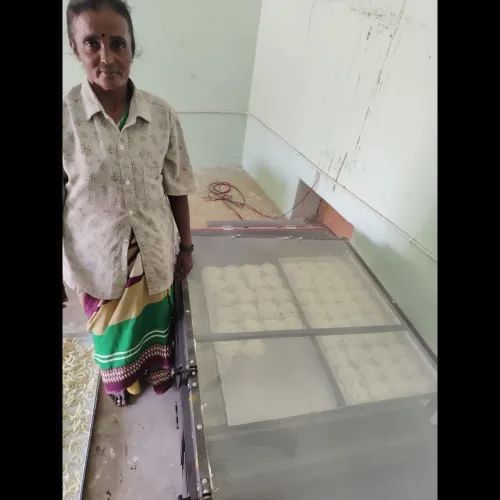
Self Help Groups, women-led enterprises and rural entrepreneurs can also evaluate solar drying for suitable food products.
For a small processing business, a solar dryer may become one part of a broader workflow that includes:
Procurement → Sorting → Preparation → Solar Drying → Quality Check → Processing → Packaging → Marketing
The appropriate dryer capacity depends on how much fresh material the enterprise expects to process and how frequently the system will be operated.
For mango-based products, for example, seasonal availability and the intended processed product should be considered before selecting the drying capacity.
Choosing a High-Quality Solar Dryer in Mancherial
The best solar dryer for a Mancherial business is the one that matches its product, quantity and operating requirements.
Before purchasing, buyers should discuss:
- Which product will be dried?
- How much fresh produce is available per batch?
- What preparation or cutting method will be used?
- What final moisture level is required?
- How frequently will the dryer operate?
- What chamber and airflow configuration is appropriate?
- What tray material and arrangement are suitable?
- Is solar-only operation sufficient for the application?
- Is backup or hybrid operation required?
- What installation and after-sales support will be needed?
A commercial-grade solar drying solution should therefore be selected according to the actual application instead of relying on generic performance claims.
Drying Time and Temperature Are Product-Specific
There is no single drying time or temperature that applies to every agricultural product.
Actual drying performance can vary depending on:
- Initial moisture content
- Product variety
- Maturity
- Slice or piece thickness
- Pretreatment
- Loading quantity
- Tray arrangement
- Airflow
- Solar radiation
- Ambient temperature and humidity
- Dryer design
- Desired final moisture
For this reason, drying parameters should be determined according to the product and operating conditions.
Rudra Solar Energy can evaluate the appropriate solar drying configuration based on the product, fresh input quantity and intended application.
Rudra Solar Energy for Mancherial
Rudra Solar Energy is an Ahmedabad-based solar technology manufacturer with more than 20 years of experience in solar drying and related solar solutions.
The company provides solar drying systems for agricultural and food-processing applications, with different capacities and configurations selected according to the intended use.
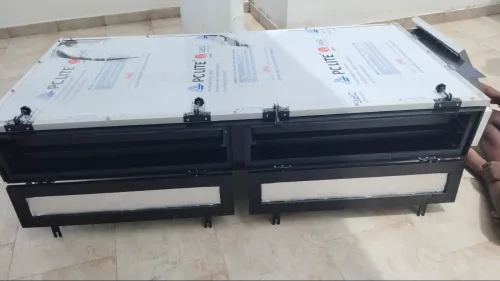
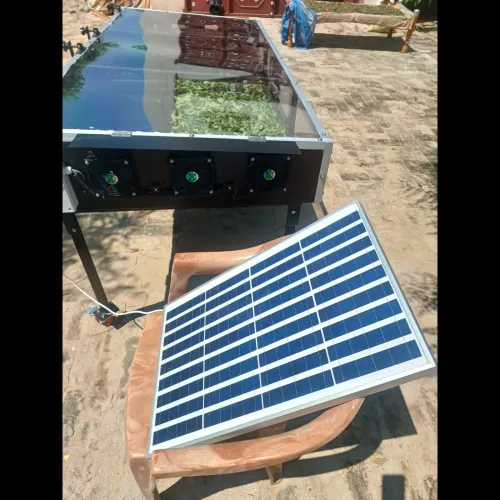
Depending on the model, a system may include features such as enclosed drying chambers, forced airflow, suitable tray configurations and backup or hybrid operation where applicable.
For buyers in Mancherial, the focus should be on a reliable, efficient and application-specific solar drying system that fits the actual product and processing workflow.
Frequently Asked Questions
1. What is the main food-processing opportunity for Mancherial?
Mancherial is identified under the PMFME ODOP list for Mango-based Products, making mango value addition an important local processing opportunity.
2. Can mangoes be dried using a solar dryer?
Suitable mango slices or prepared mango products can be dried using an appropriate solar drying system. The preparation and drying conditions depend on the intended final product.
3. Which other products can be dried in Mancherial?
Depending on their characteristics and processing requirements, suitable fruits, vegetables, herbs, leafy materials and selected agricultural products can be considered for solar drying.
4. Can an FPO use a commercial solar dryer?
Yes. An FPO can evaluate a commercial solar dryer according to the combined fresh produce quantity, product type, batch requirements and operating frequency.
5. Can SHGs use solar dryers for food processing?
Yes. SHGs and small rural enterprises can consider suitable solar dryers for value-added food processing where the product and market support the investment.
6. How long does mango take to dry in a solar dryer?
There is no universal drying time. It depends on mango variety, maturity, slice thickness, initial moisture, loading, airflow, weather and desired final moisture.
7. Does a solar dryer also make mango powder?
No. A solar dryer performs drying and moisture reduction. Grinding or powdering requires separate processing equipment.
8. How should I choose the right solar dryer for my Mancherial business?
Start with the product, fresh input quantity, batch size, preparation method and desired final moisture. These details help determine the suitable capacity and configuration.
Get a Solar Drying Solution in Mancherial, Telangana
If you are a farmer, FPO, SHG, food processor, MSME or rural entrepreneur in Mancherial planning to process mangoes, fruits, vegetables, herbs or other suitable agricultural products, choosing the right drying system is an important part of the setup.
Share your product name, fresh input quantity and processing requirement with Rudra Solar Energy to evaluate a suitable solar dryer capacity and configuration for your application.
Keywords