
Enhancing Dried Product Quality with Solar Dryers
In the quest for sustainable and efficient methods of food preservation, solar drying emerges as a promising solution. By harnessing the abundant energy of the sun, solar dryers offer a cost-effective and eco-friendly way to preserve food while maintaining its quality. This article explores the benefits of solar dryers and how they contribute to enhancing the quality of dried products.
The Evolution of Solar Drying:
Solar drying is not a new concept; it has been practiced for centuries in various forms across different cultures. Traditionally, fruits, vegetables, grains, and even meat were dried under the sun to extend their shelf life. However, with advancements in technology, solar drying systems have become more sophisticated and efficient.
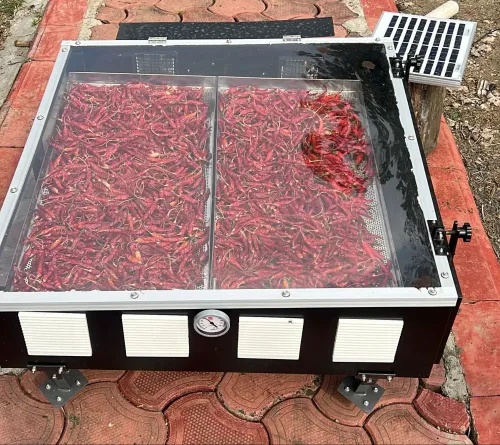
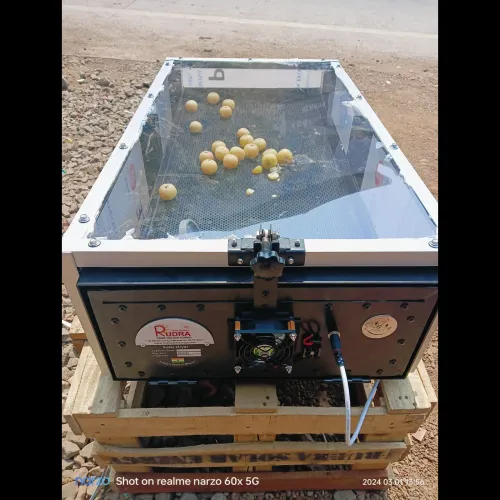
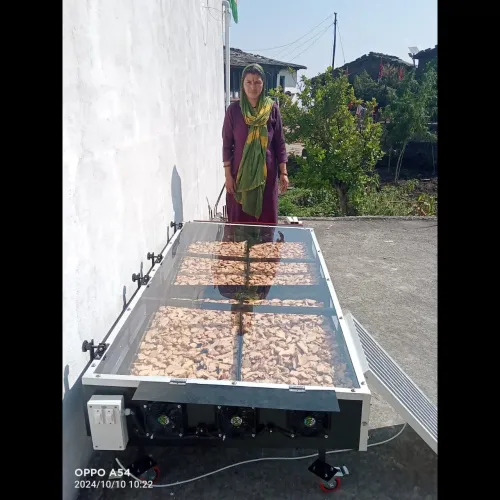
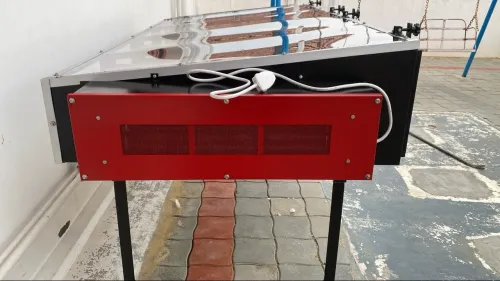
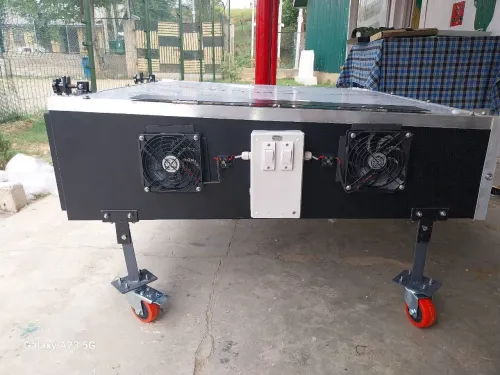
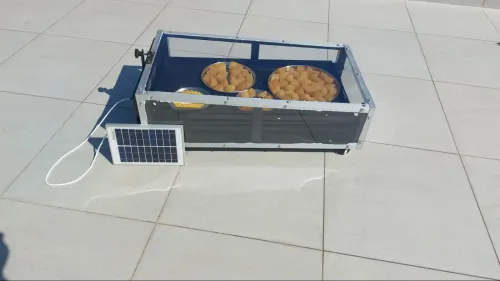
Rudra Solar Dryers are designed to optimize the drying process by controlling factors such as temperature, airflow, and humidity. Our Solar Dryers come in various designs, including direct, indirect, and mixed-mode dryers, each tailored to suit different climatic conditions and drying requirements.
Enhancing Product Quality:
One of the primary advantages of solar dryers is their ability to preserve the nutritional value and sensory attributes of dried products. Unlike traditional methods that expose food to contaminants and pests, solar dryers provide a clean and controlled environment for drying, minimizing the risk of spoilage and contamination.
Temperature and humidity control are crucial factors in ensuring the quality of dried products. Solar dryers utilize thermal collectors to capture and convert solar energy into heat, which is then used to facilitate the drying process. By maintaining optimal drying conditions, solar dryers can preserve the color, texture, flavor, and nutritional content of fruits, vegetables, herbs, and spices.
Furthermore, solar drying eliminates the need for chemical preservatives and additives commonly used in conventional drying methods. This not only enhances the natural taste and aroma of dried products but also makes them healthier and more environmentally friendly.
Applications Across Industries:
The benefits of solar drying extend beyond the realm of food preservation. In industries such as agriculture, pharmaceuticals, and textiles, solar dryers are used to process a wide range of materials, including crops, herbs, medicinal plants, and fabrics.
For farmers and small-scale producers, Rudra Solar Dryer offer a cost-effective solution to value addition and income generation. By drying surplus produce, farmers can reduce post-harvest losses, increase marketability, and access higher-value markets for dried fruits, vegetables, and herbs.
In the pharmaceutical industry, solar dryers play a crucial role in the production of herbal medicines and extracts. By drying medicinal plants under controlled conditions, manufacturers can ensure the potency and efficacy of their products while minimizing the use of artificial drying agents and additives.
At Rudra Solar ongoing research and development efforts aim to address these challenges by improving the design, performance, and affordability of solar drying systems. Innovations such as hybrid solar dryers, which integrate solar energy with other sources such Electric Backup promise for enhancing the efficiency and reliability of drying processes.
Solar drying represents a sustainable and environmentally friendly approach to food preservation and materials processing. By harnessing the power of the sun, solar dryers offer an efficient and cost-effective solution for preserving the quality of dried products while minimizing the use of chemicals and additives. As technology continues to evolve, the widespread adoption of solar drying systems holds the potential to revolutionize food preservation practices and improve livelihoods across the globe.
For More Details On Solar Dryers Contact Us.
In the quest for sustainable and efficient methods of food preservation, solar drying emerges as a promising solution. By harnessing the abundant energy of the sun, solar dryers offer a cost-effective and eco-friendly way to preserve food while maintaining its quality. This article explores the benefits of solar dryers and how they contribute to enhancing the quality of dried products.
The Evolution of Solar Drying:
Solar drying is not a new concept; it has been practiced for centuries in various forms across different cultures. Traditionally, fruits, vegetables, grains, and even meat were dried under the sun to extend their shelf life. However, with advancements in technology, solar drying systems have become more sophisticated and efficient.
Rudra Solar Dryers are designed to optimize the drying process by controlling factors such as temperature, airflow, and humidity. Our Solar Dryers come in various designs, including direct, indirect, and mixed-mode dryers, each tailored to suit different climatic conditions and drying requirements.
Enhancing Product Quality:
One of the primary advantages of solar dryers is their ability to preserve the nutritional value and sensory attributes of dried products. Unlike traditional methods that expose food to contaminants and pests, solar dryers provide a clean and controlled environment for drying, minimizing the risk of spoilage and contamination.
Temperature and humidity control are crucial factors in ensuring the quality of dried products. Solar dryers utilize thermal collectors to capture and convert solar energy into heat, which is then used to facilitate the drying process. By maintaining optimal drying conditions, solar dryers can preserve the color, texture, flavor, and nutritional content of fruits, vegetables, herbs, and spices.
Furthermore, solar drying eliminates the need for chemical preservatives and additives commonly used in conventional drying methods. This not only enhances the natural taste and aroma of dried products but also makes them healthier and more environmentally friendly.
Applications Across Industries:
The benefits of solar drying extend beyond the realm of food preservation. In industries such as agriculture, pharmaceuticals, and textiles, solar dryers are used to process a wide range of materials, including crops, herbs, medicinal plants, and fabrics.
For farmers and small-scale producers, Rudra Solar Dryer offer a cost-effective solution to value addition and income generation. By drying surplus produce, farmers can reduce post-harvest losses, increase marketability, and access higher-value markets for dried fruits, vegetables, and herbs.
In the pharmaceutical industry, solar dryers play a crucial role in the production of herbal medicines and extracts. By drying medicinal plants under controlled conditions, manufacturers can ensure the potency and efficacy of their products while minimizing the use of artificial drying agents and additives.
At Rudra Solar ongoing research and development efforts aim to address these challenges by improving the design, performance, and affordability of solar drying systems. Innovations such as hybrid solar dryers, which integrate solar energy with other sources such Electric Backup promise for enhancing the efficiency and reliability of drying processes.
Solar drying represents a sustainable and environmentally friendly approach to food preservation and materials processing. By harnessing the power of the sun, solar dryers offer an efficient and cost-effective solution for preserving the quality of dried products while minimizing the use of chemicals and additives. As technology continues to evolve, the widespread adoption of solar drying systems holds the potential to revolutionize food preservation practices and improve livelihoods across the globe.
For More Details On Solar Dryers Contact Us.
Keywords