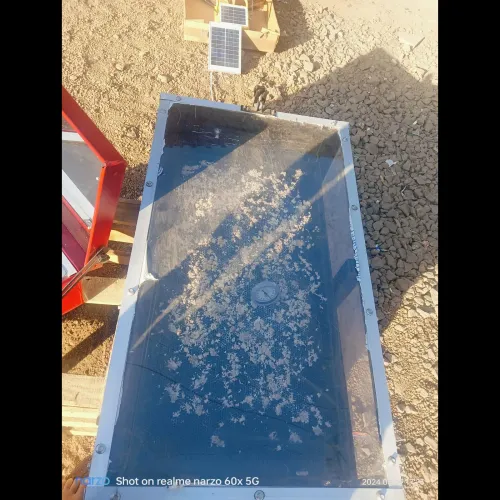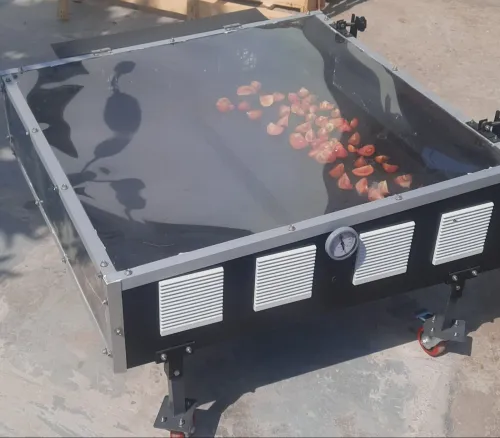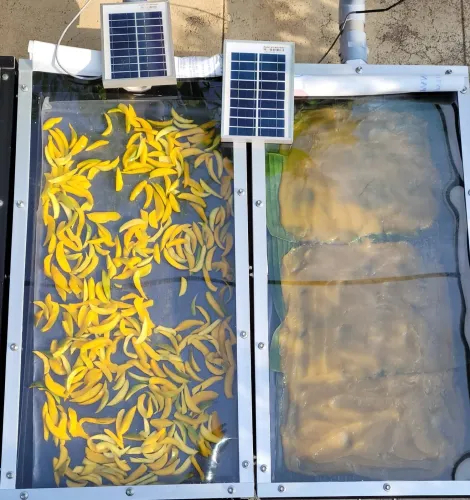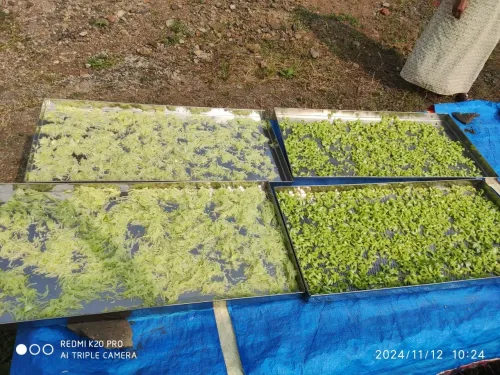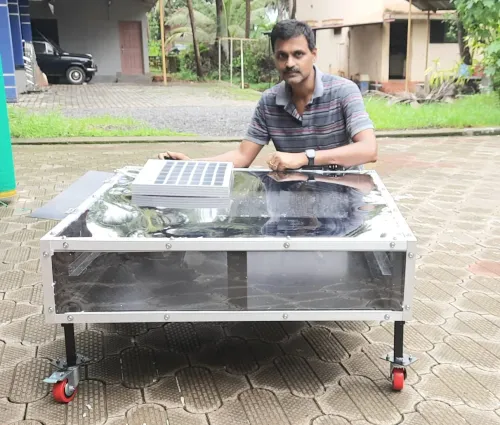
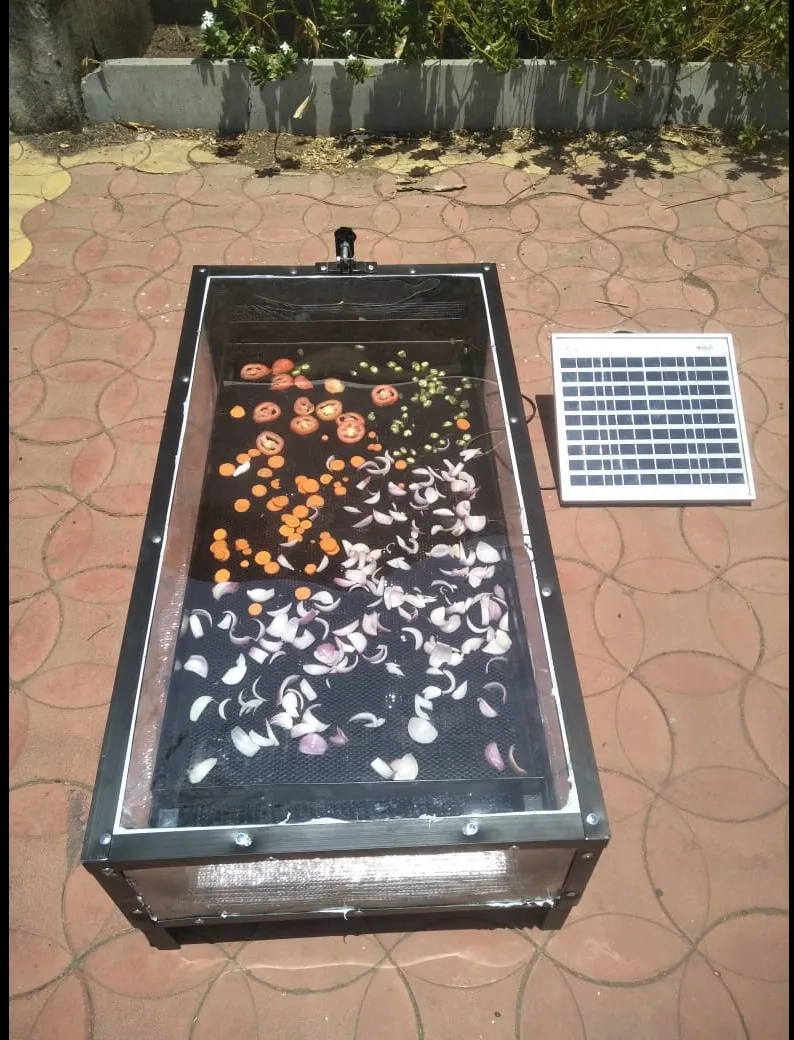
Sheikhpura is one of Bihar’s smaller districts, and the official district profile notes that a large section of its population depends on agriculture. District-level agricultural planning documents identify cropping systems involving rice, wheat, maize, green gram, lentil, chickpea, linseed, potato, onion and summer vegetables. This crop diversity creates practical opportunities for improved post-harvest moisture management through a Commercial Solar Dryer in Sheikhpura, Bihar.
Traditional open-sun drying may involve spreading crops on courtyards, rooftops, roadsides, mats, tarpaulins or open ground. This can expose agricultural material to dust, soil, insects, birds, animals, changing humidity and unexpected rainfall. Sheikhpura’s official disaster-management information also notes that agriculture in the region remains influenced by monsoon behaviour and rainfall distribution.
An enclosed solar dryer can provide a more organised environment for moisture reduction through controlled loading, usable tray or bed area and suitable airflow.
Suitable Solar-Drying Applications in Sheikhpura
A commercial solar dryer in Sheikhpura may be evaluated for technically suitable applications involving:
Paddy before storage or milling
Wheat before storage or milling
Maize
Green gram and other pulses
Lentil and chickpea
Linseed and selected oilseeds
Potato slices or cubes
Onion slices
Summer vegetables
Mushrooms under product-specific conditions
Herbs and selected agricultural products
Bihar’s official horticulture programme includes Sheikhpura among districts covered for small-scale mushroom-production units, indicating potential for horticultural diversification and rural processing.
Paddy, Wheat and Maize Moisture Management
Rice–wheat, rice–maize and rice–green gram are among the cropping systems documented for Sheikhpura. A solar dryer may support moisture reduction before storage, transportation, grading or milling.
Important operating factors include:
Initial moisture
Required final moisture
Daily quantity
Quantity per batch
Grain-layer depth
Usable drying area
Airflow distribution
Ambient humidity
Processing season
Thick grain layers may restrict airflow and lead to uneven moisture removal. Capacity should therefore be selected using the product, loading depth and usable drying area rather than only a general kilogram figure.
A solar dryer does not convert paddy into rice, wheat into flour or maize into a finished processed food. Milling, grinding, cleaning and packaging require separate equipment.
Pulses, Linseed and Other Field Crops
Potential pulse applications may include green gram, lentil, chickpea and other technically suitable products.
A solar dryer can support moisture reduction before storage or further processing, but it does not split pulses into dal.
For linseed and other suitable oilseeds, solar drying may support moisture reduction before storage or oil extraction. The dryer does not extract oil; a separate expeller or processing unit is required.
Oilseeds and pulses should be dried according to their specific moisture, loading and quality requirements rather than using one universal setting.
Potato, Onion and Vegetable Processing
District agricultural planning documents identify rice–potato, rice–onion and rice–summer vegetable systems in Sheikhpura.
Potential applications may include:
Potato slices
Potato cubes
Onion slices or flakes
Tomato
Okra
Leafy vegetables
Seasonal vegetable pieces
Ready-to-cook vegetable ingredients
Products may require sorting, washing, peeling, slicing, blanching or another preparation before drying.
A solar dryer does not fry potato chips. Fried products require separate frying equipment and oil.
For onion or vegetable powder, the product must first be dried to a suitable moisture level and then ground, sieved and packaged using separate machinery.
Mushroom-Drying Opportunity
Mushrooms are highly moisture-sensitive and require careful handling. Bihar’s horticulture programme includes Sheikhpura among the districts eligible for small-scale mushroom-production units.
A technically suitable dryer may be evaluated for prepared mushroom slices or other product-specific formats.
Important considerations include:
Freshness
Cleaning method
Slice thickness
Tray spacing
Drying temperature
Airflow
Final moisture
Cooling and moisture-resistant packaging
Mushrooms should not be overloaded because restricted airflow may cause uneven drying and quality deterioration.
Who Can Use a Commercial Solar Dryer in Sheikhpura?
Potential users include:
Farmers
Farmer Producer Organizations
Self Help Groups
Cooperatives
Grain and pulse traders
Potato and onion processors
Mushroom growers
Vegetable-processing enterprises
Rural entrepreneurs
Food-processing MSMEs
NGO-supported livelihood projects
A shared solar dryer may be useful for an FPO or SHG where sufficient seasonal produce is available. The group should plan product scheduling, cleaning, moisture testing, operator responsibility, cooling, packaging and storage before purchasing the system.
How Should Capacity Be Selected?
The correct dryer capacity depends on:
Exact product
Current product form
Fresh or wet quantity per day
Quantity per batch
Initial moisture, if known
Required final moisture
Expected dried output
Tray or bed area
Loading depth
Airflow requirement
Processing season
Electricity availability
Need for cloudy-weather or night-time support
Paddy, potato slices, onion, pulses and mushrooms cannot be compared through the same kilogram-capacity claim because their bulk density, moisture and tray-space requirements differ.
Fresh input and dried output are also not equal because moisture and preparation losses reduce the final weight.
Solar, Fan-Assisted and Hybrid Options
A standard solar dryer depends on sunlight, ambient temperature, humidity and airflow.
Fan-assisted airflow may help remove moisture-rich air, but a fan does not independently generate solar heat.
A technically suitable hybrid solar dryer may be evaluated where a processor requires:
Support during cloudy or humid weather
Night-time operation
Improved production continuity
More predictable batch completion
Commercial seasonal processing
The correct configuration should be selected according to the product and processing target.
Rudra Solar Energy Solutions for Sheikhpura
Rudra Solar Energy Pvt. Ltd. provides customised commercial, agricultural and industrial solar drying systems for farmers, FPOs, SHGs, cooperatives and food-processing enterprises.
For a product-specific recommendation, share:
Exact product name
Current product form
Fresh quantity per day
Required dried output
Initial and final moisture, if known
Current drying method
Processing season
Project location in Sheikhpura
Available installation area
Electricity availability
Need for hybrid operation
Site photographs or videos
Rudra Solar Energy can evaluate a suitable solar, fan-assisted or hybrid configuration for paddy, wheat, maize, pulses, potato, onion, mushrooms, vegetables or other technically supported products in Sheikhpura, Bihar.
Keywords