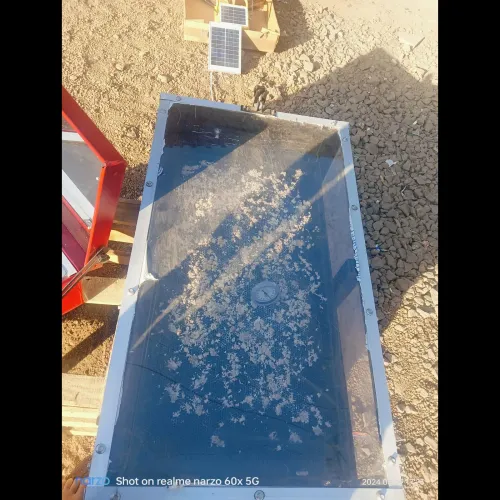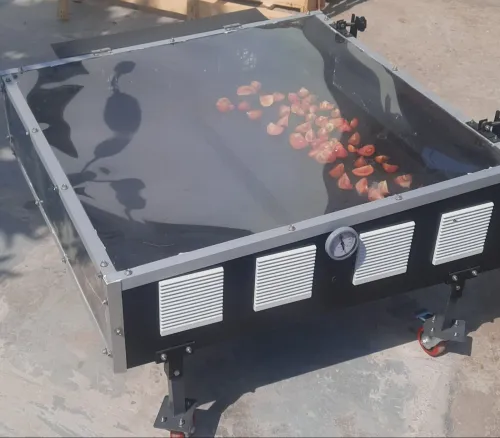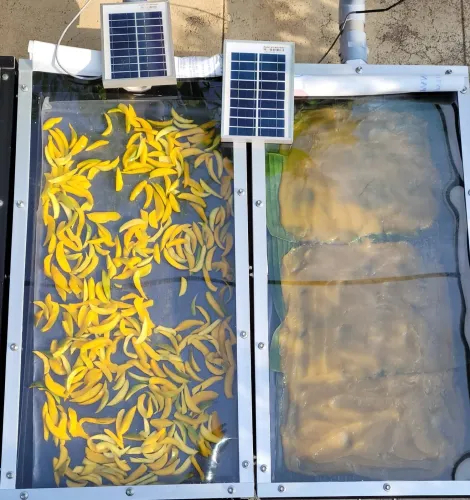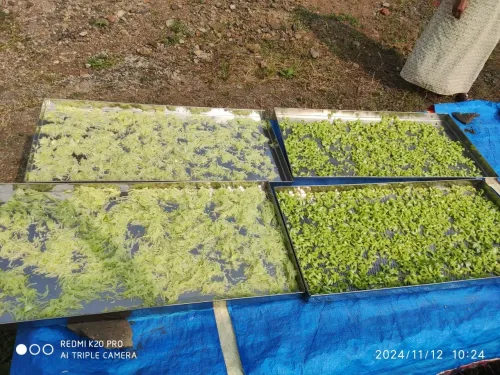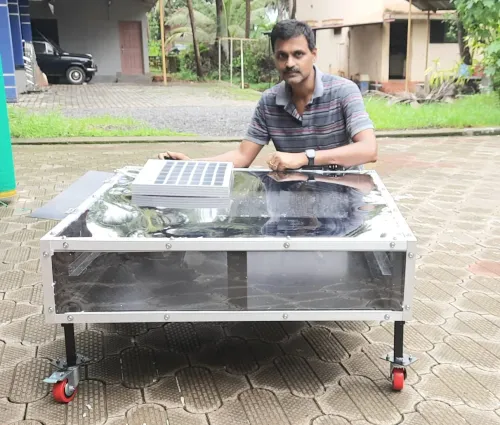
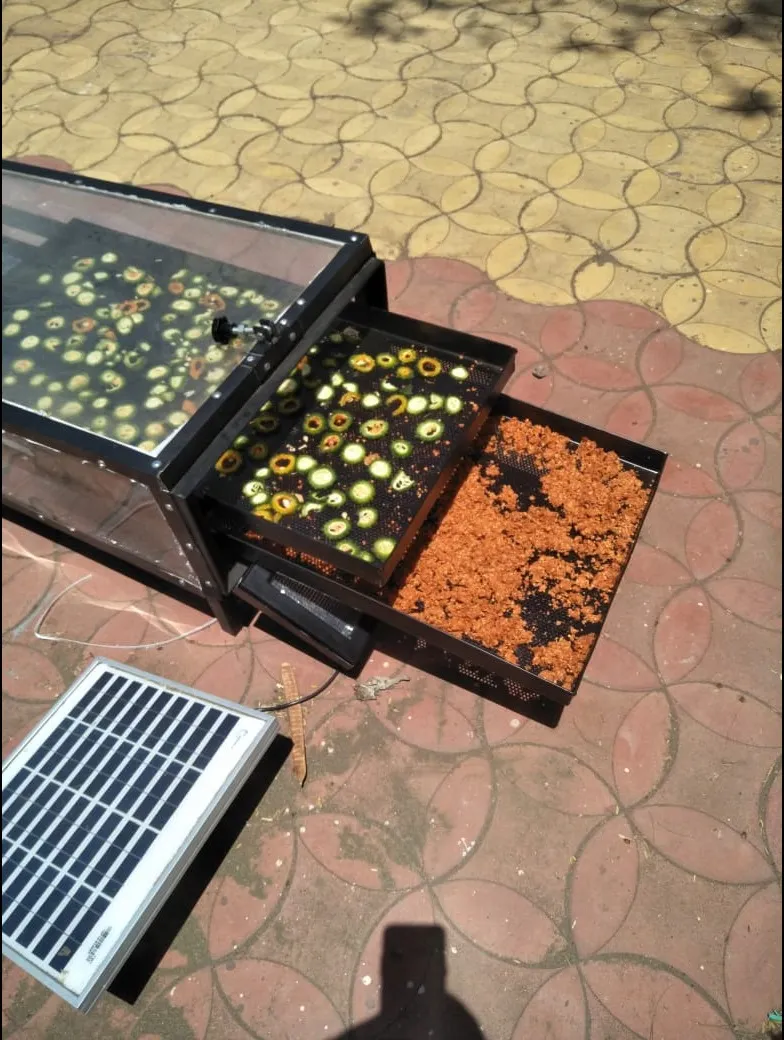
Saran, commonly associated with Chhapra, has a broad agricultural base involving paddy, wheat, maize, arhar, gram, lentil, peas, linseed, sesame and other field crops. The official Saran district agriculture profile records these crops within the district’s cropping pattern, creating practical opportunities for improved moisture management, safer storage preparation and agricultural value addition through a Commercial Solar Dryer in Saran, Bihar.
The district is also identified by the Bihar Directorate of Horticulture as one of the state’s major vegetable-cultivation districts. Bihar government project material further includes Saran among important potato-growing districts, indicating potential for vegetable dehydration and food-processing enterprises.
Traditional open-sun drying may expose agricultural products to dust, soil, insects, birds, animals, sudden rain and uneven drying. Saran’s agriculture also remains influenced by monsoon behaviour and rainfall distribution, which can make outdoor drying less predictable during certain periods.
An enclosed solar dryer offers a more organised environment for reducing moisture through suitable tray or bed loading and controlled airflow.
Suitable Solar-Drying Applications in Saran
A commercial solar dryer in Saran may be evaluated for technically suitable applications involving:
Paddy before storage or milling
Wheat before storage or milling
Maize
Arhar, gram and lentils
Peas
Linseed, sesame and selected oilseeds
Potato slices or cubes
Seasonal vegetables
Chilli and suitable spices
Mushrooms under product-specific conditions
Herbs and medicinal plants
The Bihar Directorate of Horticulture also features a mushroom-production success story from Dariyapur in Saran, indicating local institutional support for horticultural diversification.
Grain, Pulse and Oilseed Moisture Management
For paddy, wheat and maize, a solar dryer can support moisture reduction before storage, grading, transportation or milling.
Important operating factors include:
Initial moisture
Required final moisture
Quantity per batch
Grain-layer depth
Usable drying area
Airflow distribution
Ambient humidity
Processing season
A solar dryer does not convert paddy into rice or wheat into flour.
For arhar, gram, lentils and peas, the dryer can support moisture reduction before storage or further processing. It does not split whole pulses into dal.
For linseed, sesame and other suitable oilseeds, solar drying may support moisture reduction before storage or oil extraction. Oil extraction requires separate machinery.
Potato and Vegetable Processing Opportunities
Saran is included among Bihar’s important potato-growing and vegetable-cultivation districts.
Potential applications may include:
Potato slices
Potato cubes
Blanched potato pieces
Tomato
Onion
Garlic
Okra
Leafy vegetables
Seasonal vegetable ingredients
Potato and vegetables may require sorting, washing, peeling, slicing, blanching or another product-specific treatment before drying.
A solar dryer does not fry potato chips. Fried products require separate frying equipment and oil.
For powder applications, the product must first be dried to a suitable moisture level and then ground, sieved and packaged using separate equipment.
Who Can Use a Commercial Solar Dryer in Saran?
Potential users include:
Farmers
Farmer Producer Organizations
Self Help Groups
Cooperatives
Grain and pulse traders
Potato and vegetable processors
Rural entrepreneurs
Food-processing MSMEs
Women-led processing groups
NGO-supported livelihood projects
Common processing facilities
An FPO or SHG planning a shared dryer should establish procedures for product scheduling, tray cleaning, batch records, moisture testing, cooling, packaging and storage.
How Should Solar-Dryer Capacity Be Selected?
Solar-dryer capacity should not be selected only through a general kilogram figure.
Paddy, maize, pulses, potato slices, vegetables and mushrooms require different tray areas, loading depths, airflow and drying conditions.
The buyer should share:
Exact product
Current product form
Fresh or wet quantity per day
Quantity per batch
Initial moisture, if known
Required final moisture
Required dried output
Processing season
Electricity availability
Available installation area
Need for cloudy-weather or night-time support
Fresh input and dried output are not equal because moisture and preparation losses reduce the final product weight.
Solar, Fan-Assisted and Hybrid Options
A standard solar dryer depends on available sunlight, ambient temperature, humidity and airflow.
Fan-assisted airflow can help remove moisture-rich air, but fans do not independently produce solar heat.
A technically suitable hybrid solar dryer may be evaluated where a processor requires:
Support during cloudy or humid conditions
Night-time operation
Greater production continuity
More predictable batch completion
Commercial seasonal processing
The configuration should be selected according to the exact product and production requirement.
Rudra Solar Energy Solutions for Saran
Rudra Solar Energy Pvt. Ltd. provides customised commercial, agricultural and industrial solar drying systems for farmers, FPOs, SHGs, cooperatives and food-processing businesses.
Share the following details for a product-specific recommendation:
Exact product name
Fresh quantity per day
Current product form
Required dried output
Initial and final moisture, if known
Current drying method
Processing season
Project location in Saran
Available installation area
Electricity availability
Need for hybrid operation
Site photographs or videos
Rudra Solar Energy can evaluate a suitable solar, fan-assisted or hybrid configuration for grains, pulses, oilseeds, potato, vegetables, mushrooms or other technically supported products in Saran (Chhapra), Bihar.
Keywords