
Solar Dryers In Egypt
Environmental Context
Egypt's agricultural landscape is characterized by its dependence on the Nile River for irrigation, with arid conditions prevailing in many regions. The country faces challenges such as water scarcity, land degradation, and climate change, which impact agricultural productivity. Farmers often struggle with post-harvest losses due to inadequate drying methods, leading to reduced quality and quantity of produce.
Solar Dryers: A Sustainable Solution
**What are Solar Dryers?**
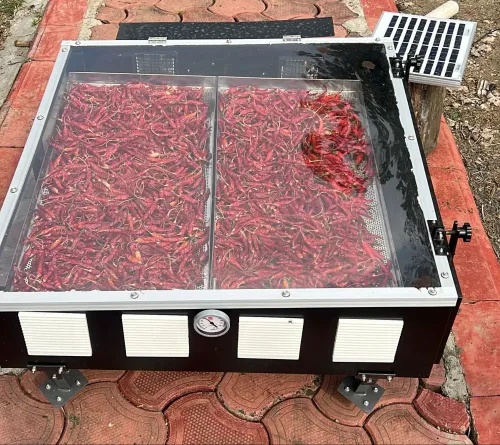
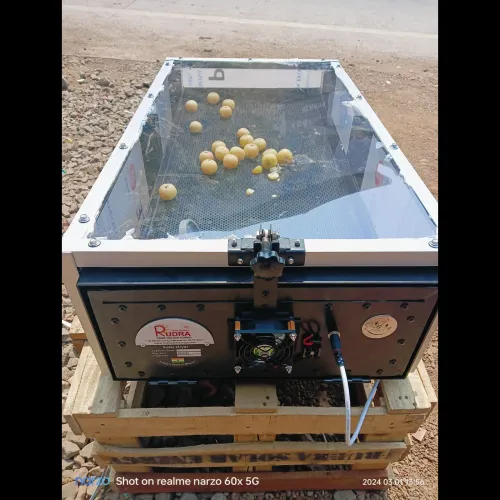
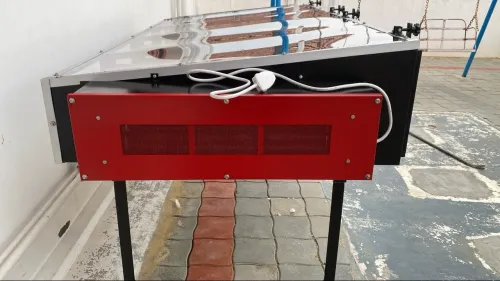
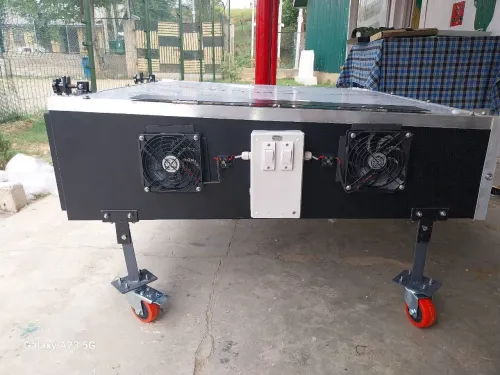
Solar dryers use solar energy to remove moisture from agricultural products, helping to preserve food and increase shelf life. They can significantly reduce post-harvest losses and improve the quality of products such as fruits, vegetables, and herbs.
**How Farmers are Utilizing Solar Dryers:**
1. **Adoption and Accessibility:** Many farmers in Egypt are adopting solar dryer technology, often supported by NGOs and government initiatives that promote sustainable agricultural practices.
2. **Training and Education:** Farmers receive training on using solar dryers effectively, understanding the benefits of improved drying methods for quality preservation.
3. **Local Production:** Some communities produce their solar dryers locally, ensuring accessibility and affordability.
Impact on Farmers and Women’s Livelihoods
1. **Increased Earnings:**
- **Reduced Post-Harvest Losses:** By using solar dryers, farmers can minimize losses from spoilage, leading to higher marketable yields and improved income.
- **Higher Quality Produce:** Dried products often fetch higher prices in the market, providing farmers with better profit margins.
2. **Empowerment of Women:**
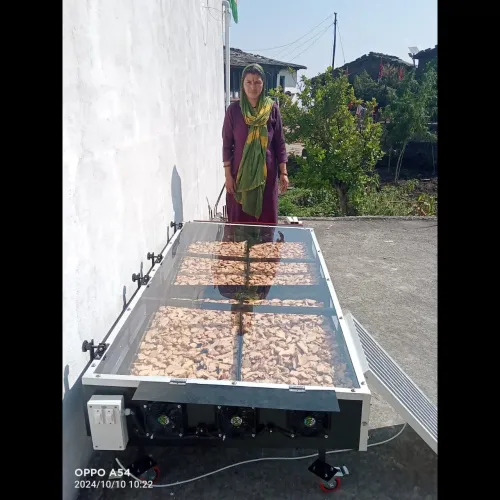
- **Participation in Agriculture:** Many women are involved in post-harvesting processes. Solar dryers enable them to engage more actively in farming and selling dried goods.
- **Entrepreneurial Opportunities:** Women can create small businesses around producing and selling dried fruits and vegetables, increasing their financial independence.
3. **Community Development:**
- **Collaborative Efforts:** Farmers often work together in groups to share resources, knowledge, and markets, fostering community solidarity and collective growth.
- **Sustainable Practices:** The use of solar dryers promotes environmentally friendly practices, contributing to a sustainable agricultural model.
Conclusion
The integration of solar dryers into Egypt's agricultural practices represents a significant advancement in post-harvesting techniques. By addressing post-harvest losses, enhancing product quality, and empowering women, solar drying technology is transforming the livelihoods of farmers and contributing to sustainable development in Egypt.
For More Details on Solar Dryer Supplier In Egypt Kindly Connect Us
Environmental Context
Egypt's agricultural landscape is characterized by its dependence on the Nile River for irrigation, with arid conditions prevailing in many regions. The country faces challenges such as water scarcity, land degradation, and climate change, which impact agricultural productivity. Farmers often struggle with post-harvest losses due to inadequate drying methods, leading to reduced quality and quantity of produce.
Solar Dryers: A Sustainable Solution
**What are Solar Dryers?**
Solar dryers use solar energy to remove moisture from agricultural products, helping to preserve food and increase shelf life. They can significantly reduce post-harvest losses and improve the quality of products such as fruits, vegetables, and herbs.
**How Farmers are Utilizing Solar Dryers:**
1. **Adoption and Accessibility:** Many farmers in Egypt are adopting solar dryer technology, often supported by NGOs and government initiatives that promote sustainable agricultural practices.
2. **Training and Education:** Farmers receive training on using solar dryers effectively, understanding the benefits of improved drying methods for quality preservation.
3. **Local Production:** Some communities produce their solar dryers locally, ensuring accessibility and affordability.
Impact on Farmers and Women’s Livelihoods
1. **Increased Earnings:**
- **Reduced Post-Harvest Losses:** By using solar dryers, farmers can minimize losses from spoilage, leading to higher marketable yields and improved income.
- **Higher Quality Produce:** Dried products often fetch higher prices in the market, providing farmers with better profit margins.
2. **Empowerment of Women:**
- **Participation in Agriculture:** Many women are involved in post-harvesting processes. Solar dryers enable them to engage more actively in farming and selling dried goods.
- **Entrepreneurial Opportunities:** Women can create small businesses around producing and selling dried fruits and vegetables, increasing their financial independence.
3. **Community Development:**
- **Collaborative Efforts:** Farmers often work together in groups to share resources, knowledge, and markets, fostering community solidarity and collective growth.
- **Sustainable Practices:** The use of solar dryers promotes environmentally friendly practices, contributing to a sustainable agricultural model.
Conclusion
The integration of solar dryers into Egypt's agricultural practices represents a significant advancement in post-harvesting techniques. By addressing post-harvest losses, enhancing product quality, and empowering women, solar drying technology is transforming the livelihoods of farmers and contributing to sustainable development in Egypt.
For More Details on Solar Dryer Supplier In Egypt Kindly Connect Us
Keywords