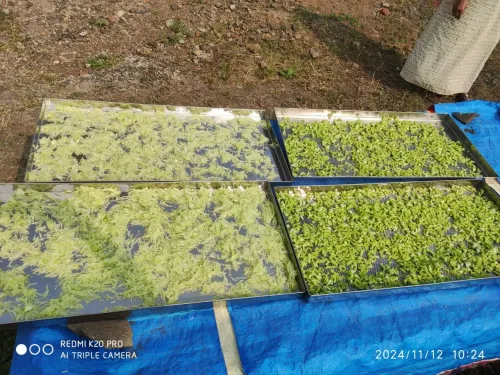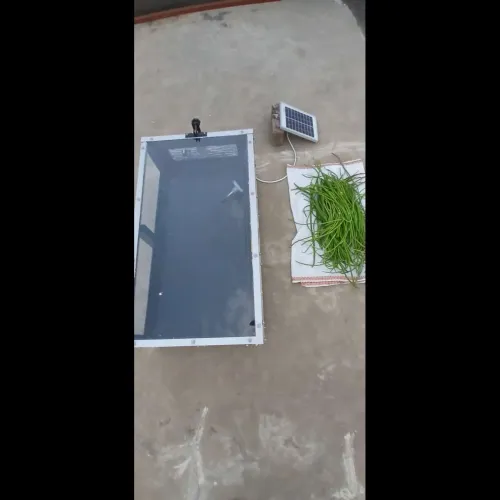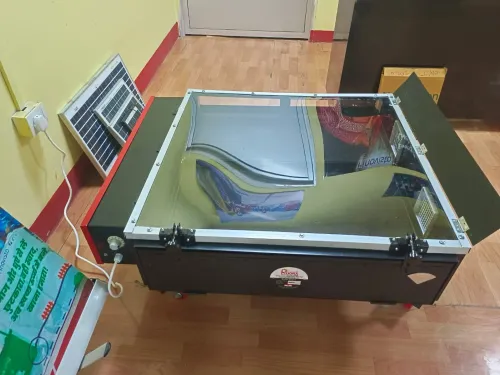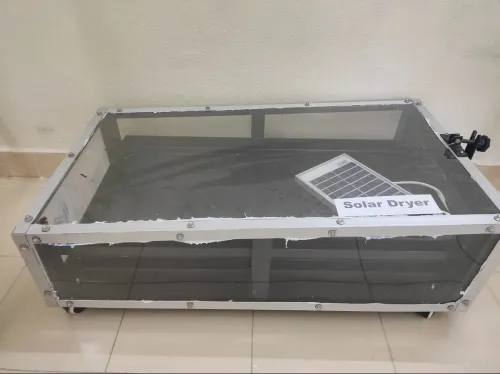
For farmers, FPOs, SHGs and food-processing businesses searching for a solar dryer in Unnao, Uttar Pradesh, horticultural processing creates a different opportunity from conventional grain drying. Unnao is identified among Uttar Pradesh’s production clusters for mango, guava, watermelon and tomato, giving the district a useful base for seasonal fruit and vegetable value addition.
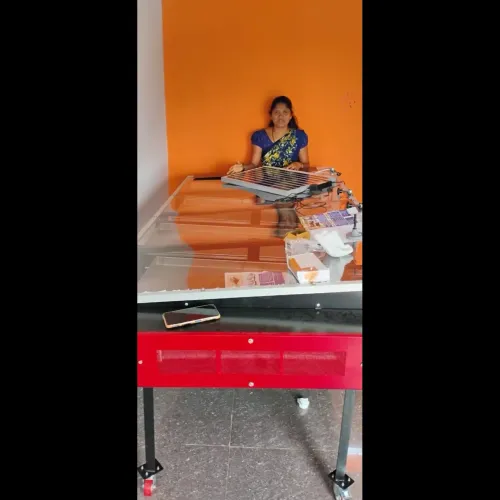
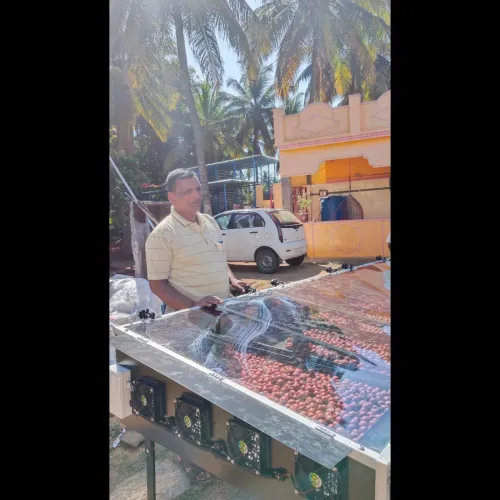
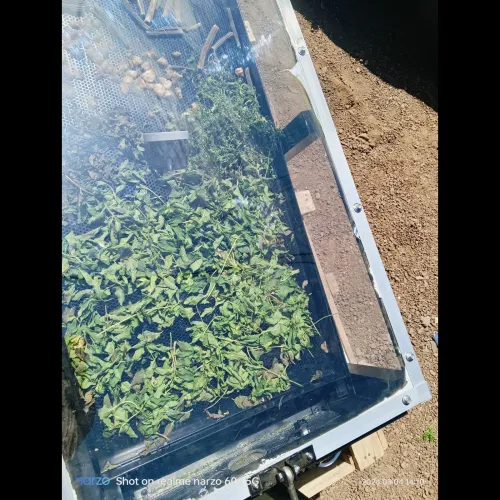
Fresh horticultural produce has high moisture and can have a limited post-harvest handling window. For suitable applications, a Rudra Solar Dryer can support enclosed batch drying where sliced fruits, vegetables or other prepared produce are handled with managed airflow and less direct exposure than open-sun drying.
The process should never be based on one universal temperature or fixed drying time. Mango slices, guava slices, tomato, herbs and grains all behave differently during moisture removal.
1. Why is solar drying particularly relevant for horticultural produce in Unnao?
Fruit and vegetable crops contain considerably more moisture than most stored grains, so they require a different post-harvest strategy.
Unnao’s presence in mango, guava, watermelon and tomato production clusters means farmers and local processors may have seasonal opportunities to process suitable produce instead of depending only on fresh-market handling.
Solar drying can be considered where the objective is to produce:
- dried fruit slices
- dried vegetable pieces
- ingredients for further processing
- dried horticultural raw material
- selected value-added products
The final product should be planned before deciding preparation method, dryer capacity and moisture target.
2. Can mango be dried in a Rudra Solar Dryer in Unnao?
Yes. Suitable mango can be processed into dried mango slices or pieces after proper preparation.
A typical commercial workflow may include:
- selection of sound fruit
- washing and hygienic preparation
- peeling where required
- uniform slicing
- even tray loading
- enclosed drying with suitable airflow
- checking final moisture before packaging
Slice thickness is important. If some pieces are much thicker than others, different parts of the same batch may reach the desired condition at different times.
The actual drying duration depends on fruit variety, ripeness, slice thickness, initial moisture, ambient humidity, solar radiation, airflow and tray loading.
3. Is guava suitable for solar drying and value addition?
Yes, suitable guava can be considered for dried slices, pieces or ingredients for further processing.
Guava requires careful preparation because fruit maturity, seed structure, cut thickness and moisture content influence the drying behaviour.
For a commercial batch, processors should aim for reasonably consistent cut size and avoid overcrowding the tray.
If dried guava is later intended for grinding or another value-added operation, drying and grinding should be treated as separate processing stages. The solar dryer removes moisture; it does not directly convert fresh guava into powder.
4. How can tomato growers in Unnao use solar drying?
Tomato is also listed among Unnao’s production-cluster crops.
Suitable tomatoes can be processed into dried slices, pieces or ingredients for further food processing.
Important variables include:
- tomato variety
- ripeness
- starting moisture
- slice thickness
- tray spacing
- airflow
- ambient humidity
- required final product
Tomato has high initial moisture, so fresh input weight can be substantially higher than the final dried-product weight. This is important when selecting dryer capacity.
5. Can watermelon also be dried in Unnao?
Watermelon is another crop associated with Unnao in Uttar Pradesh’s production-cluster mapping.
However, watermelon is extremely high in moisture, so commercial drying should be evaluated carefully rather than assuming it behaves like mango or guava.
Preparation method, slice dimensions, loading rate and desired final texture matter significantly. A processor should first determine whether the intended output is commercially practical and then select a drying process accordingly.
This is a good example of why commodity-specific drying is more important than applying one standard process to every fruit.
6. Why use an enclosed solar dryer instead of drying sliced fruit directly in the open?
Sliced fruits and vegetables have exposed surfaces and can remain in the drying process for a significant period.
When material is left directly in the open, it can be exposed to:
- dust
- insects
- birds
- wind-blown debris
- unnecessary external handling
- changing weather conditions
An enclosed solar drying system provides a more protected processing environment and makes tray loading, batch identification and airflow easier to organize.
Actual drying performance still depends on solar conditions, ambient humidity, product moisture, loading and system design.
7. Can Unnao FPOs, SHGs and micro-enterprises use one solar dryer for different seasonal crops?
Potentially yes, if the selected system is appropriate for the intended commodities and each product is processed using its own operating method.
A seasonal Unnao processing business may evaluate applications such as:
- mango during mango availability
- guava
- tomato
- chilli
- herbs
- selected vegetables
- other suitable horticultural produce
However, switching commodities does not mean using the same drying duration or loading method.
Before each application, the processor should consider:
commodity → preparation → initial moisture → loading → airflow → target moisture → final product.
This makes the dryer a more flexible processing asset without treating every crop as technically identical.
8. Which Rudra Solar Dryer capacity is suitable for a business in Unnao?
For horticultural processing, capacity should be selected from the fresh raw material loaded per batch/day.
This is especially important because mango, guava, tomato and other fresh produce can lose a substantial amount of water during drying.
Before selecting a Rudra Solar Dryer, identify:
- crop or commodity
- kilograms of fresh produce available per day
- quantity per batch
- seasonal availability
- preparation method
- average slice size
- initial moisture condition
- required dried product
- expected batch frequency
- available installation space
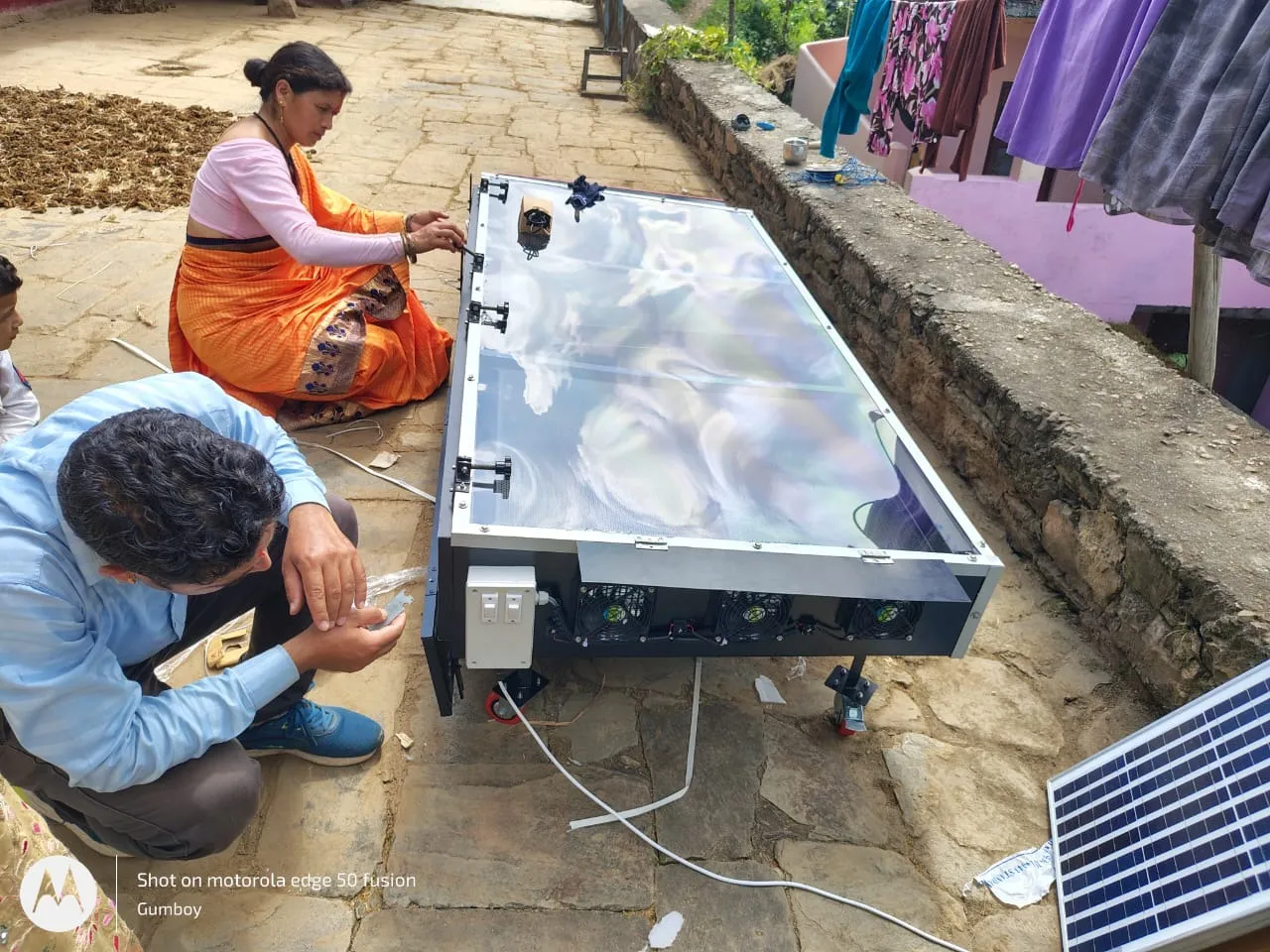
Rudra Solar Energy offers solar drying systems in different capacities and configurations for agricultural and food-processing applications. Depending on the application, enclosed drying chambers and managed airflow can support a more protected and organized processing workflow.
For an Unnao solar dryer requirement, the system should therefore be selected around the actual fruit or vegetable being processed rather than choosing capacity only from a generic kilogram figure.
From fresh horticultural produce to value-added processing in Unnao
Unnao’s mango, guava, tomato and other horticultural production creates an opportunity to look beyond only fresh-produce handling.
The practical value of solar drying comes from matching the right crop, preparation method, batch size, airflow and final moisture requirement with an appropriate drying system. For farmers, FPOs, SHGs and micro food businesses in Unnao, this can make a Rudra Solar Dryer part of a planned seasonal value-addition workflow rather than simply another method of exposing produce to heat.
Keywords