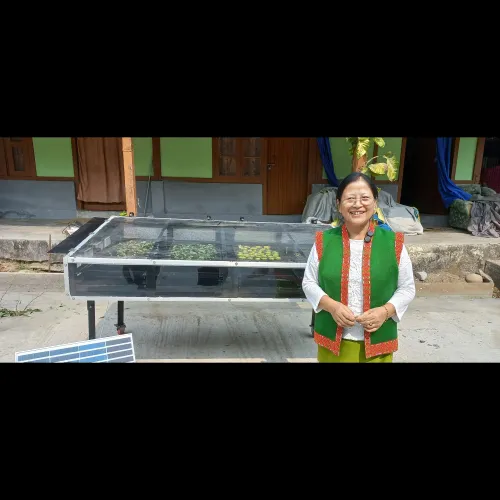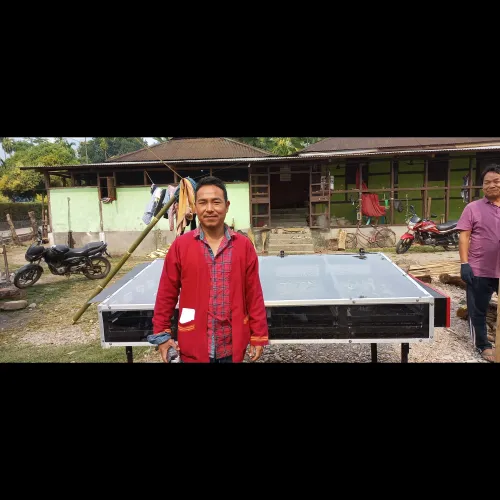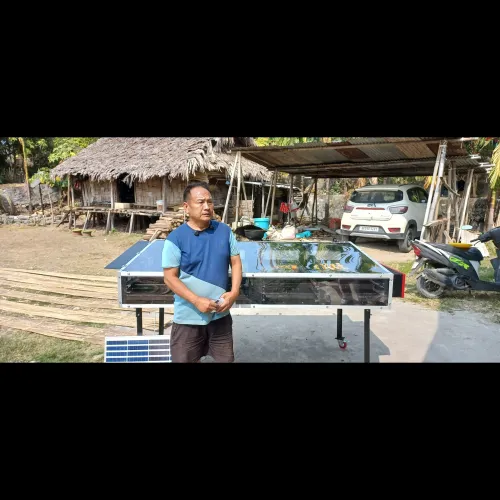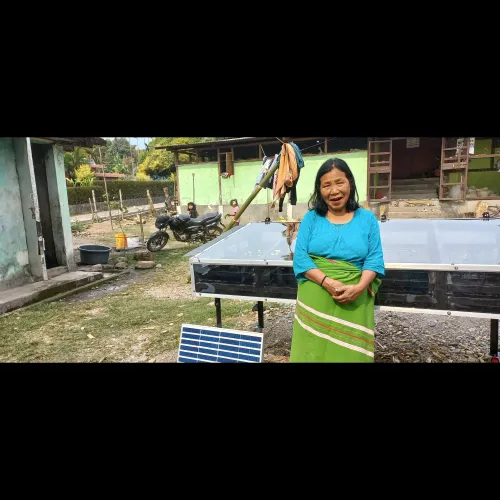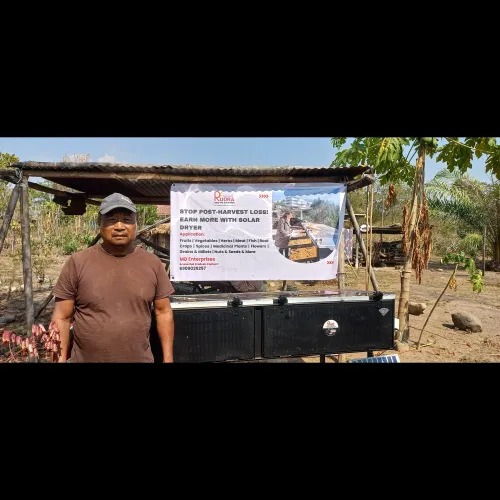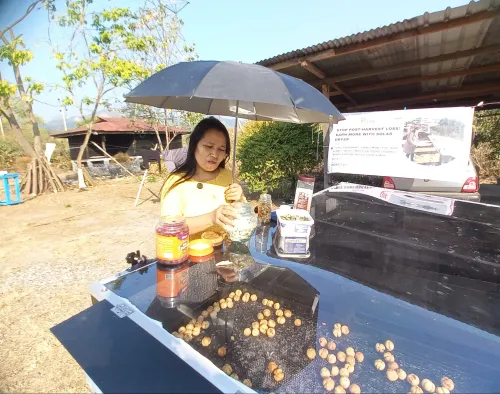
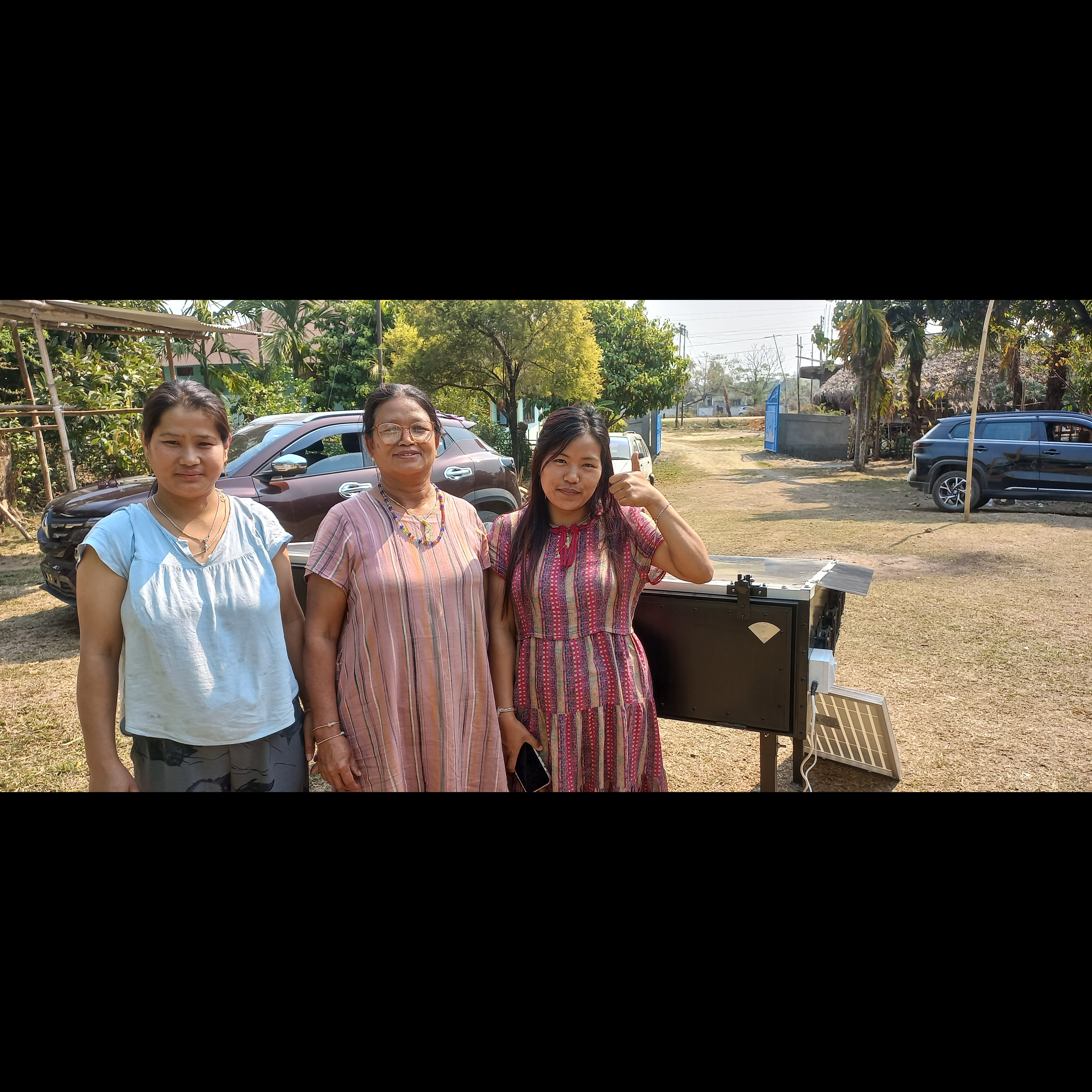
Find a reliable solar dryer in Tawang, Arunachal Pradesh. Explore advanced solar drying machines for apples, kiwi, walnuts, plums, pears, vegetables and food processing.
Solar Dryer Manufacturer and Supplier in Tawang, Arunachal Pradesh
Tawang district in Arunachal Pradesh is known for its high-altitude geographical conditions, traditional agricultural activities and temperate horticulture. Apples, kiwi, walnuts, plums, pears, peaches and seasonal vegetables are among the horticultural products cultivated in the district. These agricultural products offer opportunities for value addition through suitable post-harvest processing and food dehydration. However, the mountainous terrain, seasonal weather variations and changing temperatures make the selection of appropriate drying equipment an important consideration for local farmers and food-processing entrepreneurs. A properly selected solar dryer can provide an enclosed environment for reducing moisture in suitable fruits, vegetables and agricultural products. Rudra Solar Energy offers advanced solar drying machines for farmers, FPOs, FPCs, SHGs, horticultural producers and commercial food-processing businesses in Tawang. From fruit dehydration to vegetable and agricultural processing, customers can explore suitable solar dryer configurations according to their fresh produce quantity, product characteristics and operating conditions.
Frequently Asked Questions
Q1. Where can I find a solar dryer manufacturer for Tawang, Arunachal Pradesh?
Farmers, horticultural producers and food-processing businesses looking for a solar dryer in Tawang can explore solar drying solutions from Rudra Solar Energy, an established solar dryer manufacturer based in Ahmedabad, Gujarat.
The company offers different solar dryer models for agricultural and commercial food-processing requirements. These machines can be evaluated for processing suitable fruits, vegetables, spices and other agricultural products.
Customers in Tawang and surrounding agricultural areas can discuss their requirements, including the type of produce, fresh batch capacity, available space and expected processing frequency.
Selecting an appropriate solar drying machine requires evaluating its chamber design, tray arrangement, airflow, temperature management and energy configuration.
Q2. Which fruits and agricultural products from Tawang are suitable for solar drying?
Tawang's temperate and high-altitude agricultural conditions support the cultivation of several fruits and vegetables that can be evaluated for solar drying.
Potential applications include:
- Apple: Prepared apple slices for fruit dehydration.
- Kiwi: Kiwi slices and suitable fruit-processing applications.
- Walnut: Appropriate post-harvest drying applications.
- Plum: Prepared plum slices and other suitable forms.
- Pear: Uniformly cut pear pieces.
- Peach: Prepared peach slices.
- Potato: Potato slices and suitable vegetable processing.
- Seasonal vegetables: Selected vegetables according to their preparation and drying requirements.
- Wheat, maize and millet: Suitable post-harvest moisture reduction applications.
Each product requires a different preparation and drying approach. For example, fruit slices need appropriate thickness and spacing, while walnuts require processing conditions suitable for the intended post-harvest application.
Q3. How can a solar fruit dryer help apple and kiwi growers in Tawang?
Apple and kiwi growers can explore solar fruit drying as a method of adding value to suitable fresh produce.
A solar fruit dryer provides an enclosed chamber with trays where prepared fruit pieces can be arranged for moisture reduction. Apples can be washed, sorted, cored where necessary and cut into uniform slices. Kiwi can also be prepared into suitable slices before loading.
Managed airflow helps remove moisture during the drying process. An enclosed drying environment can also help reduce direct exposure to dust and insects compared with open-surface drying.
Dried apple and kiwi can be considered for suitable food-processing and packaged-food applications. The final product quality depends on fruit variety, preparation, temperature, airflow and final moisture content.
Q4. Can a solar dryer be used for walnut and other horticultural products in Tawang?
Yes, solar drying can be evaluated for suitable walnut post-harvest applications and other horticultural products.
Walnuts and prepared fruit products have different moisture characteristics, so they should not automatically be processed using the same drying settings.
For suitable walnut applications, the processing method should be selected according to the product's condition, whether it is in-shell or shelled, the initial moisture content and the intended storage requirements.
Similarly, plums, pears and peaches can be prepared into suitable pieces for fruit dehydration.
Rudra Solar Energy's solar drying solutions can be evaluated according to the intended agricultural product and required fresh-input capacity.
Q5. Is a solar drying machine suitable for Tawang's cold and high-altitude climatic conditions?
Tawang's high-altitude environment makes local operating conditions particularly important when selecting a solar drying machine.
Cold ambient temperatures, cloud cover, changing sunlight availability and seasonal weather can influence the drying process. Therefore, machine selection should consider actual site conditions rather than relying only on general solar dryer specifications.
An enclosed solar dryer provides a managed chamber environment with an appropriate tray and airflow arrangement. However, it still depends on available solar energy and operating conditions.
For additional flexibility, buyers can discuss applicable hybrid solar-plus-electric configurations with Rudra Solar Energy. The suitability of backup heating depends on the model and the user's available infrastructure.
Before purchasing, it is advisable to evaluate the installation location, operating season, expected batch size and energy requirements.
Q6. Which solar dryer capacity is suitable for apple, kiwi and vegetable processing in Tawang?
The ideal capacity depends on the quantity of fresh produce available per batch and the scale of the processing activity.
Rudra Solar Energy offers solar dryer models with approximate fresh-input capacities ranging from 5 kg to 500 kg per batch, depending on the selected model.
Capacity requirements can vary across different users:
- Small fruit growers processing limited quantities.
- Individual entrepreneurs developing dried fruit products.
- SHGs establishing community-based processing activities.
- FPOs and FPCs collecting produce from multiple horticultural growers.
- Commercial food processors requiring regular production batches.
Fresh-input capacity should always be considered separately from dried-product output. Fruits and vegetables lose moisture during drying, so the final weight depends on their initial moisture content and desired finished-product moisture.
Q7. How can farmers and SHGs in Tawang use solar dryers for agricultural value addition?
Solar drying can be considered as a part of a small or commercial agricultural processing operation.
Farmers and SHGs can evaluate the processing of suitable apple, kiwi, plum, pear and vegetable products based on seasonal availability and market requirements.
A practical processing setup may involve:
- Collection and sorting of fresh produce.
- Cleaning and hygienic preparation.
- Peeling, coring or slicing where necessary.
- Uniform arrangement on food-processing trays.
- Solar drying with suitable operating conditions.
- Moisture assessment and quality checking.
- Packaging using appropriate food-grade materials.
- Storage and marketing through suitable sales channels.
For high-altitude areas, planning should also consider seasonal raw material availability, transportation, packaging supplies and access to electricity where applicable.
A suitable solar drying machine can become part of a broader food-processing setup, but separate equipment may be needed for grinding, sealing and other operations.
Q8. Why choose Rudra Solar Energy for a high-performance solar dryer in Tawang?
Rudra Solar Energy specialises in solar drying machines and solar-based agricultural processing equipment for different capacity requirements.
Its range of solar dryers can be evaluated for processing suitable fruits, vegetables, spices and other agricultural products.
Farmers, horticultural producers, FPOs, FPCs, SHGs and commercial entrepreneurs in Tawang can discuss their processing requirements and select a suitable model based on fresh produce input, product type, chamber configuration and operating conditions.
Whether you are planning a small fruit dehydration unit or a larger commercial food-processing operation, selecting the correct machine configuration is important for practical and consistent processing.
Need a reliable solar dryer in Tawang?
Contact Rudra Solar Energy to explore suitable solar fruit dryers, vegetable dryers and commercial solar drying machines.
Share your agricultural product, fresh batch quantity, processing location and intended final product to receive suitable machine guidance.
Keywords