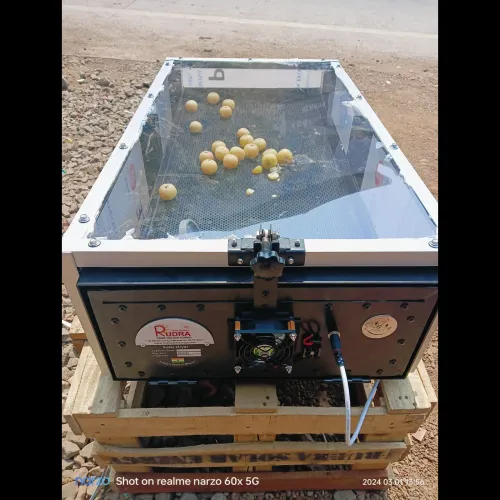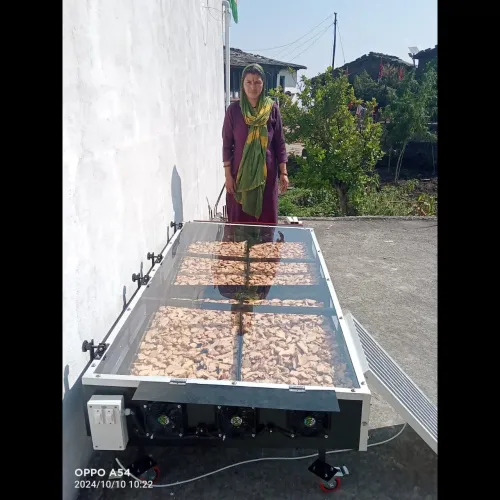
Siddharthnagar is closely associated with Kalanamak Rice, an aromatic traditional rice of the Uttar Pradesh Terai region. Along with grain handling, farmers, FPOs, SHGs and small agro-processing enterprises in the district can use solar drying for suitable agricultural produce, seed lots, vegetables, herbs and other value-added products where controlled moisture reduction is required. A properly selected enclosed solar dryer can provide a more protected alternative to open-sun drying by reducing direct exposure to dust, insects and changing outdoor conditions.
For premium or aromatic produce such as Kalanamak paddy, drying should never follow a universal time or temperature. Initial moisture, target moisture, grain depth, airflow, ambient humidity, solar radiation and the intended storage or milling requirement must be considered before setting the drying process.
1. Why is solar drying relevant for farmers and agro-processors in Siddharthnagar?
Siddharthnagar has a strong agricultural base, and post-harvest moisture management is important for grains and many other farm products. Solar drying can help farmers and processors move suitable produce from open exposure toward a more organized tray- or batch-based drying process.
An enclosed system can be particularly useful where the objective is cleaner handling, more managed airflow and better control over the drying workflow.
2. Can a solar dryer be used for Kalanamak rice or paddy in Siddharthnagar?
Yes, an appropriately designed solar drying system can be considered for paddy or grain drying, but Kalanamak should be handled carefully because product quality and aroma are commercially important.
The system configuration, loading depth, airflow and drying conditions should be selected specifically for grain processing. Grain should not simply be exposed to excessive heat in an attempt to shorten drying time.
3. Why should Kalanamak paddy not be dried at one fixed temperature or for one fixed duration?
Because drying requirements change with the moisture level at harvest, weather, humidity, grain layer thickness, airflow and the final moisture target.
A batch arriving with higher moisture may require a different drying period from a batch that has already lost part of its field moisture. For aromatic grains, gradual and appropriate moisture removal is more important than following a generic “X hours” claim.
4. What other products can be solar dried in Siddharthnagar?
Depending on the processor and season, suitable applications can include:
- selected vegetables and vegetable slices
- chillies and other suitable spices
- herbs and leafy materials
- pulses and seed lots where the process is appropriate
- selected fruits for dried products
- agricultural ingredients intended for further processing
Each commodity requires its own preparation, loading pattern, airflow and final moisture target.
5. Is an enclosed solar dryer better than drying produce directly in the open?
Open-sun drying leaves the material directly exposed to the surrounding environment. An enclosed solar dryer provides a protected chamber and allows the drying process to be organized around trays, loading practices and airflow.
This can help reduce direct contact with dust, insects and external contamination while giving the operator a more structured drying workflow. Actual drying performance still depends on weather, loading, product characteristics and system design.
6. Can FPOs, SHGs and small businesses in Siddharthnagar use solar drying for value addition?
Yes. Solar drying can support small-batch processing where local groups want to convert suitable fresh or high-moisture produce into dried ingredients or products with longer handling and processing possibilities.
Possible activities include dried vegetable ingredients, herbs, spice materials, selected fruit products and other commodity-specific applications. The required dryer capacity should be selected according to realistic daily raw-material availability rather than choosing an oversized system.
7. How should the right solar dryer capacity be selected in Siddharthnagar?
Capacity should be based on the fresh material loaded per batch, not only on expected dried-product weight.
Before selection, consider:
- quantity available per day or season
- type of commodity
- initial moisture content
- preparation or slice thickness
- tray loading depth
- desired final moisture
- available drying hours
- batch frequency
- future processing volume
For grains such as Kalanamak paddy, grain-specific loading and airflow requirements should also be considered.
8. Where can farmers and processors get a solar dryer for Siddharthnagar?
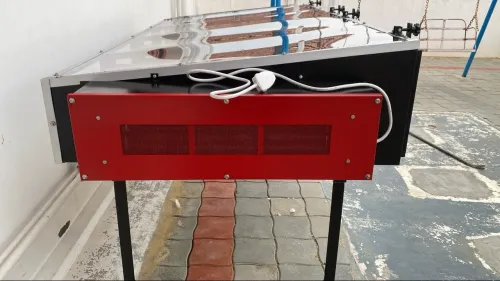
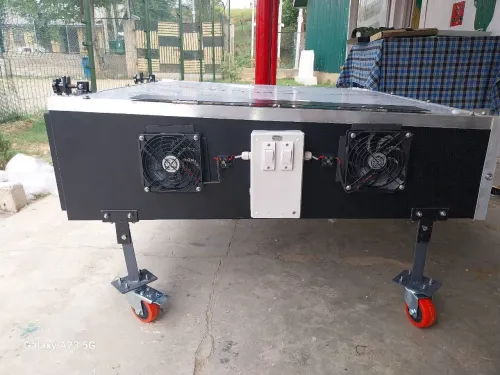
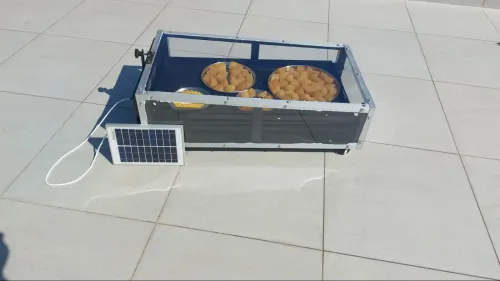
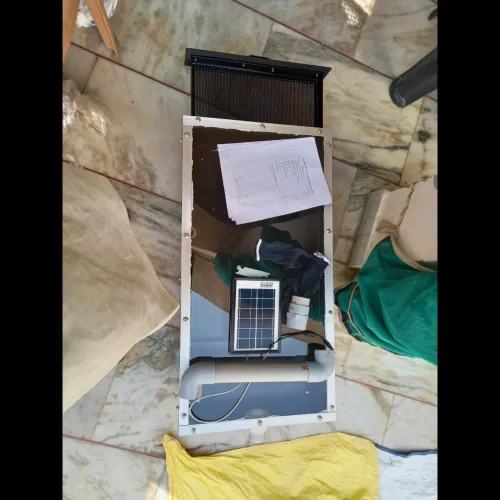
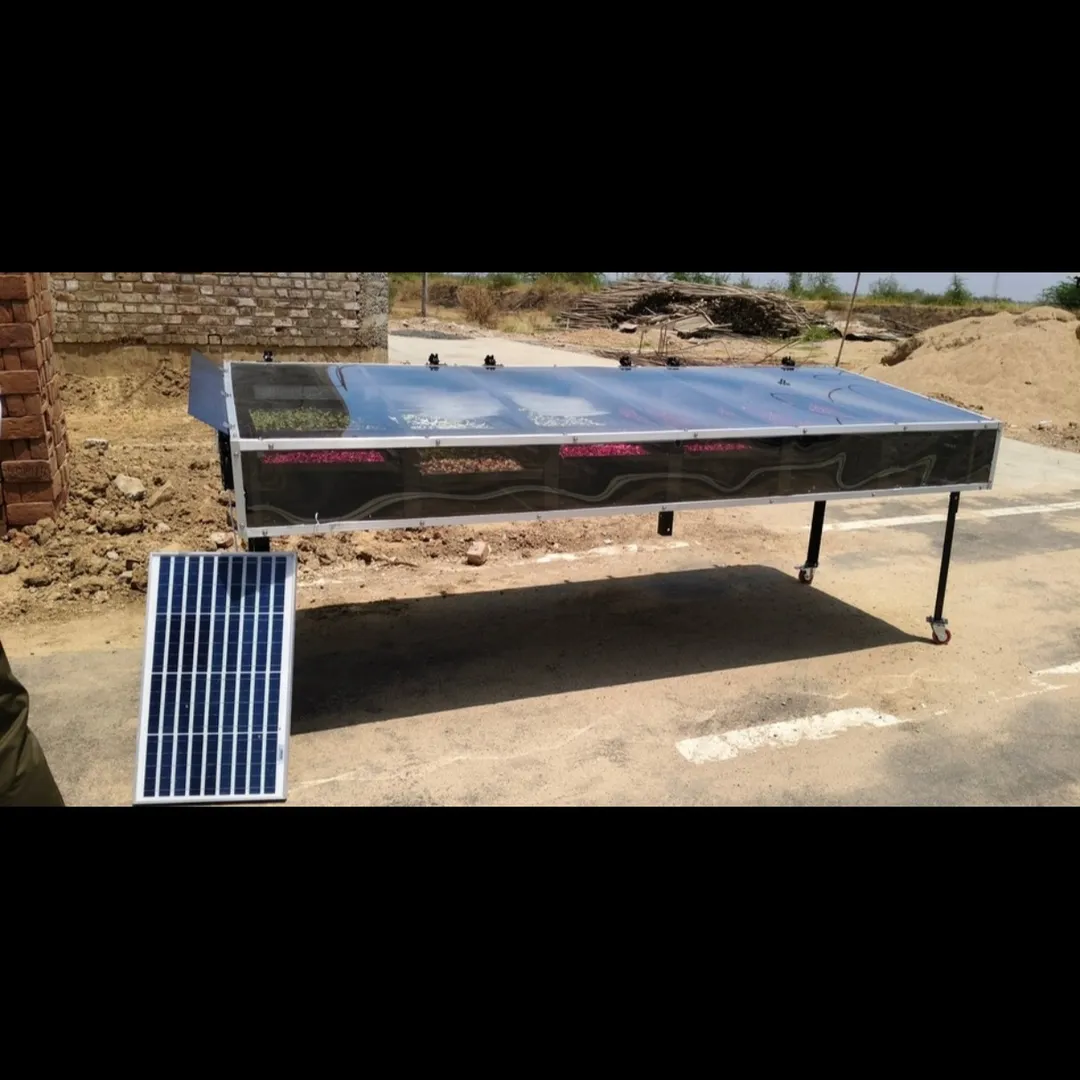
Rudra Solar Energy provides solar drying solutions for agricultural and food-processing applications with different capacities and configurations. Depending on the application, systems can incorporate enclosed drying chambers, managed airflow and solar-powered air movement to support protected drying.
For a Siddharthnagar project, the most useful information to share before system selection is the commodity, fresh quantity per batch/day, present moisture condition, required final product and intended commercial use. This allows the solar dryer to be matched to the actual drying requirement rather than using one standard setup for every crop.
Keywords