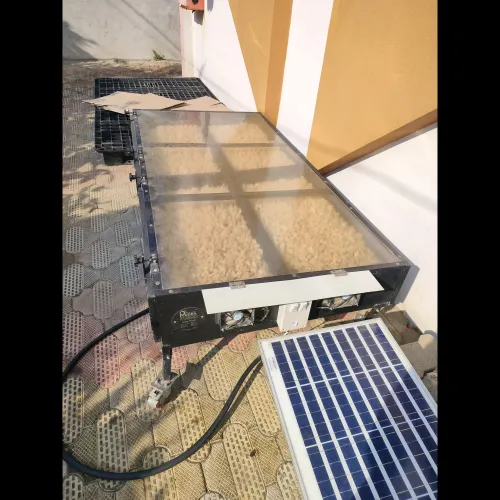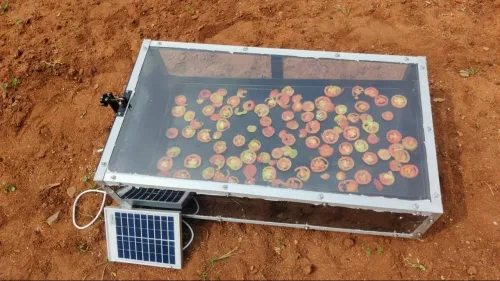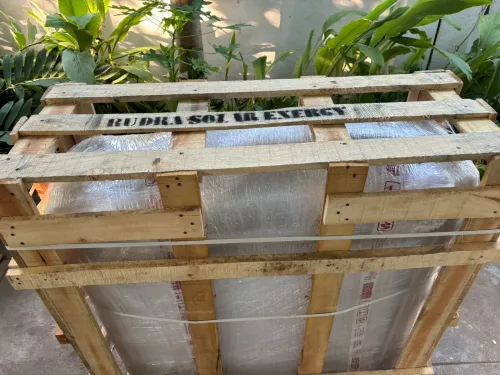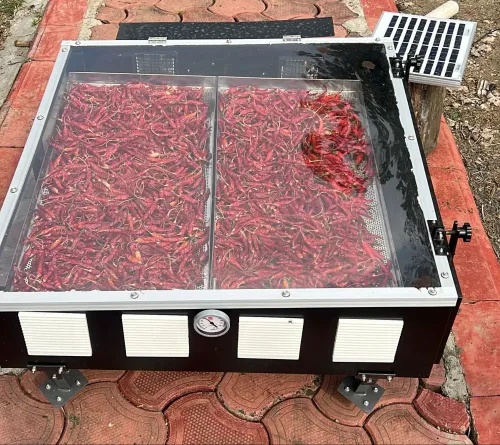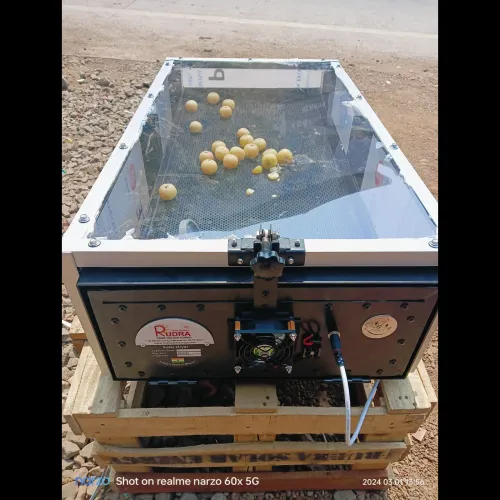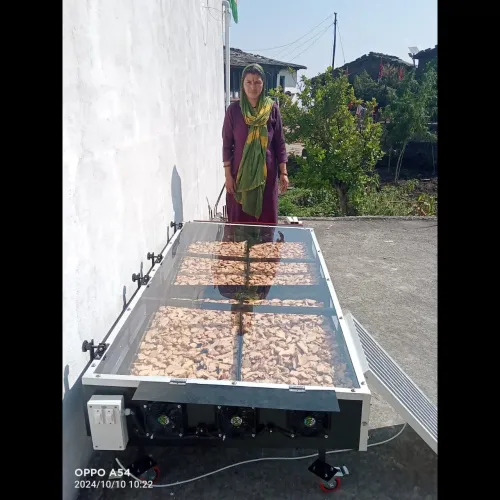

Solar Dryer In Nigeria
Solar dryers offer several significant benefits for post-harvest processing of crops in Nigeria, and their adoption can have a profound impact on livelihoods and value addition. Here's how:
### Benefits of Solar Dryers
1. **Improved Crop Preservation**:
- **Quality**: Solar dryers help in preserving the quality of crops by providing a controlled drying environment. This reduces the risk of spoilage, mold, and aflatoxin contamination, which are common in traditional drying methods.
- **Shelf Life**: By effectively reducing moisture content, solar dryers extend the shelf life of crops like cassava, maize, and fruits.
2. **Increased Efficiency**:
- **Faster Drying**: Solar dryers can significantly speed up the drying process compared to sun drying on the ground, which is often weather-dependent and less efficient. This is particularly beneficial during the rainy season when traditional drying methods are less effective.
- **Consistency**: They provide a more consistent drying process, reducing variability in crop quality and making it easier to meet market standards.
3. **Energy Savings**:
- **Renewable Energy**: Solar dryers use the sun's energy, which is abundant and free, reducing the dependence on fuel-based energy sources. This lowers operational costs compared to using diesel or gas-powered dryers.
- **Cost Efficiency**: Over time, the initial investment in solar dryers can be offset by savings in energy costs and reduced post-harvest losses.
4. **Reduced Labor Intensity**:
- **Labor Saving**: Solar dryers reduce the need for constant monitoring and manual handling of crops during the drying process. This allows farmers to allocate their labor to other productive activities.
5. **Reduced Environmental Impact**:
- **Sustainability**: By utilizing renewable energy, solar dryers contribute to environmentally friendly practices. They help in reducing the carbon footprint associated with traditional drying methods that rely on fossil fuels.
### Impact on Livelihood and Value Addition
1. **Enhanced Income and Market Access**:
- **Higher Quality Products**: Improved crop quality due to better drying methods can lead to higher market prices. This can enhance farmers' incomes and open up access to premium markets.
- **Value Addition**: Dried products often fetch better prices than raw ones. For instance, dried cassava can be processed into various products like cassava flour, which has a higher market value.
2. **Reduced Post-Harvest Losses**:
- **Increased Profitability**: By minimizing losses due to spoilage and pests, solar dryers help farmers retain a larger proportion of their harvest. This leads to increased profitability and financial stability.
3. **Improved Food Security**:
- **Availability of Stored Food**: Solar drying allows for better storage of perishable crops, leading to improved food availability during off-seasons. This contributes to food security for farmers and their communities.
4. **Knowledge and Skill Development**:
- **Training Opportunities**: The adoption of solar dryers can lead to training and skill development opportunities for farmers and agricultural workers. This can enhance their technical knowledge and open doors to new innovations in agriculture.
5. **Community Impact**:
- **Job Creation**: The introduction and maintenance of solar dryers can create job opportunities in areas such as construction, installation, and maintenance. This can have a positive ripple effect on local economies.
### Implementation and Adoption
To maximize these benefits, several steps can be taken:
- **Awareness and Training**: Educating farmers about the advantages of solar dryers and providing training on their use and maintenance is crucial for successful adoption.
- **Financial Support**: Access to financing options or subsidies can help farmers invest in solar dryers.
- **Supportive Infrastructure**: Developing infrastructure for the distribution, maintenance, and repair of solar dryers can ensure their long-term effectiveness and reliability.
Overall, solar dryers represent a valuable technology that can enhance agricultural productivity, improve the livelihoods of farmers, and contribute to sustainable development in Nigeria.
Solar dryers offer several significant benefits for post-harvest processing of crops in Nigeria, and their adoption can have a profound impact on livelihoods and value addition. Here's how:
### Benefits of Solar Dryers
1. **Improved Crop Preservation**:
- **Quality**: Solar dryers help in preserving the quality of crops by providing a controlled drying environment. This reduces the risk of spoilage, mold, and aflatoxin contamination, which are common in traditional drying methods.
- **Shelf Life**: By effectively reducing moisture content, solar dryers extend the shelf life of crops like cassava, maize, and fruits.
2. **Increased Efficiency**:
- **Faster Drying**: Solar dryers can significantly speed up the drying process compared to sun drying on the ground, which is often weather-dependent and less efficient. This is particularly beneficial during the rainy season when traditional drying methods are less effective.
- **Consistency**: They provide a more consistent drying process, reducing variability in crop quality and making it easier to meet market standards.
3. **Energy Savings**:
- **Renewable Energy**: Solar dryers use the sun's energy, which is abundant and free, reducing the dependence on fuel-based energy sources. This lowers operational costs compared to using diesel or gas-powered dryers.
- **Cost Efficiency**: Over time, the initial investment in solar dryers can be offset by savings in energy costs and reduced post-harvest losses.
4. **Reduced Labor Intensity**:
- **Labor Saving**: Solar dryers reduce the need for constant monitoring and manual handling of crops during the drying process. This allows farmers to allocate their labor to other productive activities.
5. **Reduced Environmental Impact**:
- **Sustainability**: By utilizing renewable energy, solar dryers contribute to environmentally friendly practices. They help in reducing the carbon footprint associated with traditional drying methods that rely on fossil fuels.
### Impact on Livelihood and Value Addition
1. **Enhanced Income and Market Access**:
- **Higher Quality Products**: Improved crop quality due to better drying methods can lead to higher market prices. This can enhance farmers' incomes and open up access to premium markets.
- **Value Addition**: Dried products often fetch better prices than raw ones. For instance, dried cassava can be processed into various products like cassava flour, which has a higher market value.
2. **Reduced Post-Harvest Losses**:
- **Increased Profitability**: By minimizing losses due to spoilage and pests, solar dryers help farmers retain a larger proportion of their harvest. This leads to increased profitability and financial stability.
3. **Improved Food Security**:
- **Availability of Stored Food**: Solar drying allows for better storage of perishable crops, leading to improved food availability during off-seasons. This contributes to food security for farmers and their communities.
4. **Knowledge and Skill Development**:
- **Training Opportunities**: The adoption of solar dryers can lead to training and skill development opportunities for farmers and agricultural workers. This can enhance their technical knowledge and open doors to new innovations in agriculture.
5. **Community Impact**:
- **Job Creation**: The introduction and maintenance of solar dryers can create job opportunities in areas such as construction, installation, and maintenance. This can have a positive ripple effect on local economies.
### Implementation and Adoption
To maximize these benefits, several steps can be taken:
- **Awareness and Training**: Educating farmers about the advantages of solar dryers and providing training on their use and maintenance is crucial for successful adoption.
- **Financial Support**: Access to financing options or subsidies can help farmers invest in solar dryers.
- **Supportive Infrastructure**: Developing infrastructure for the distribution, maintenance, and repair of solar dryers can ensure their long-term effectiveness and reliability.
Overall, solar dryers represent a valuable technology that can enhance agricultural productivity, improve the livelihoods of farmers, and contribute to sustainable development in Nigeria.
Keywords