Chikkamagaluru is one of India’s most important coffee-growing districts and is historically recognised as the place where coffee cultivation began in India. Coffee Board data identifies Arabica and Robusta as the district’s principal coffee types and lists pepper, cardamom, arecanut, orange and vanilla among important intercrops in the coffee-growing region.
Coffee Board’s latest production estimates also show Chikkamagaluru as a major coffee-producing district, reinforcing its strong plantation-processing base.
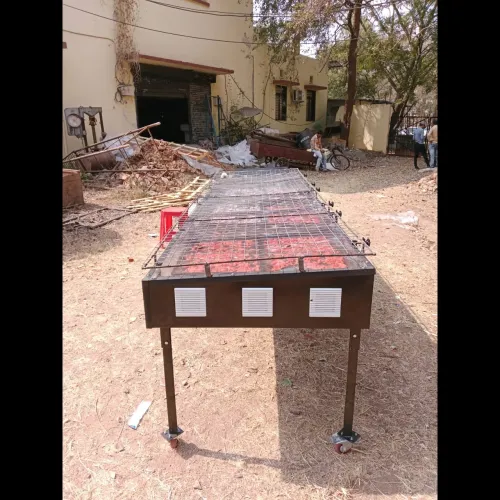
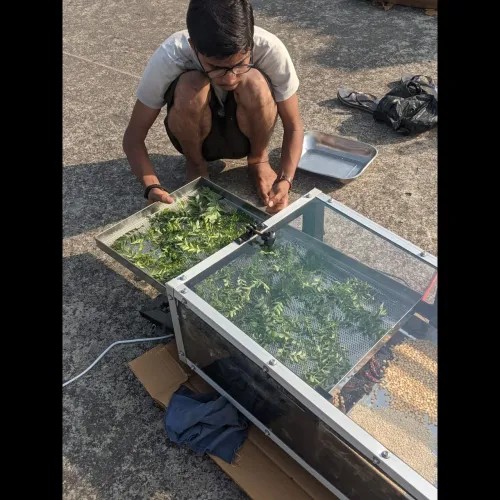
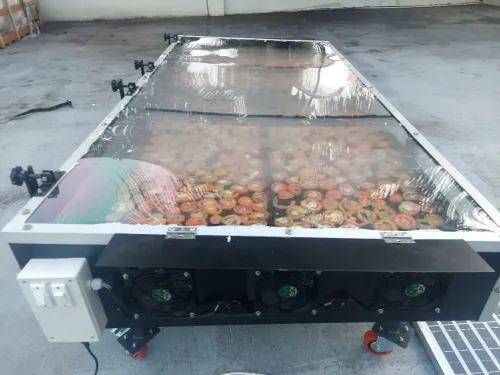
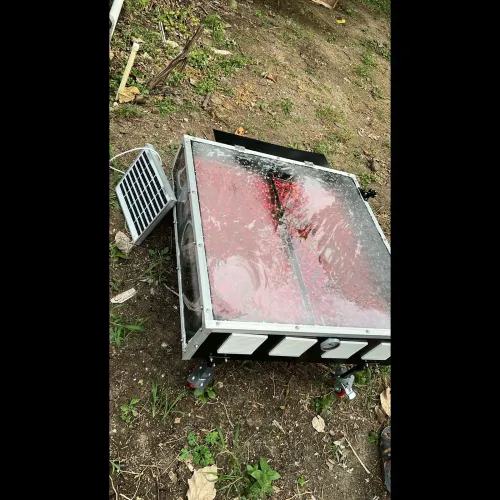
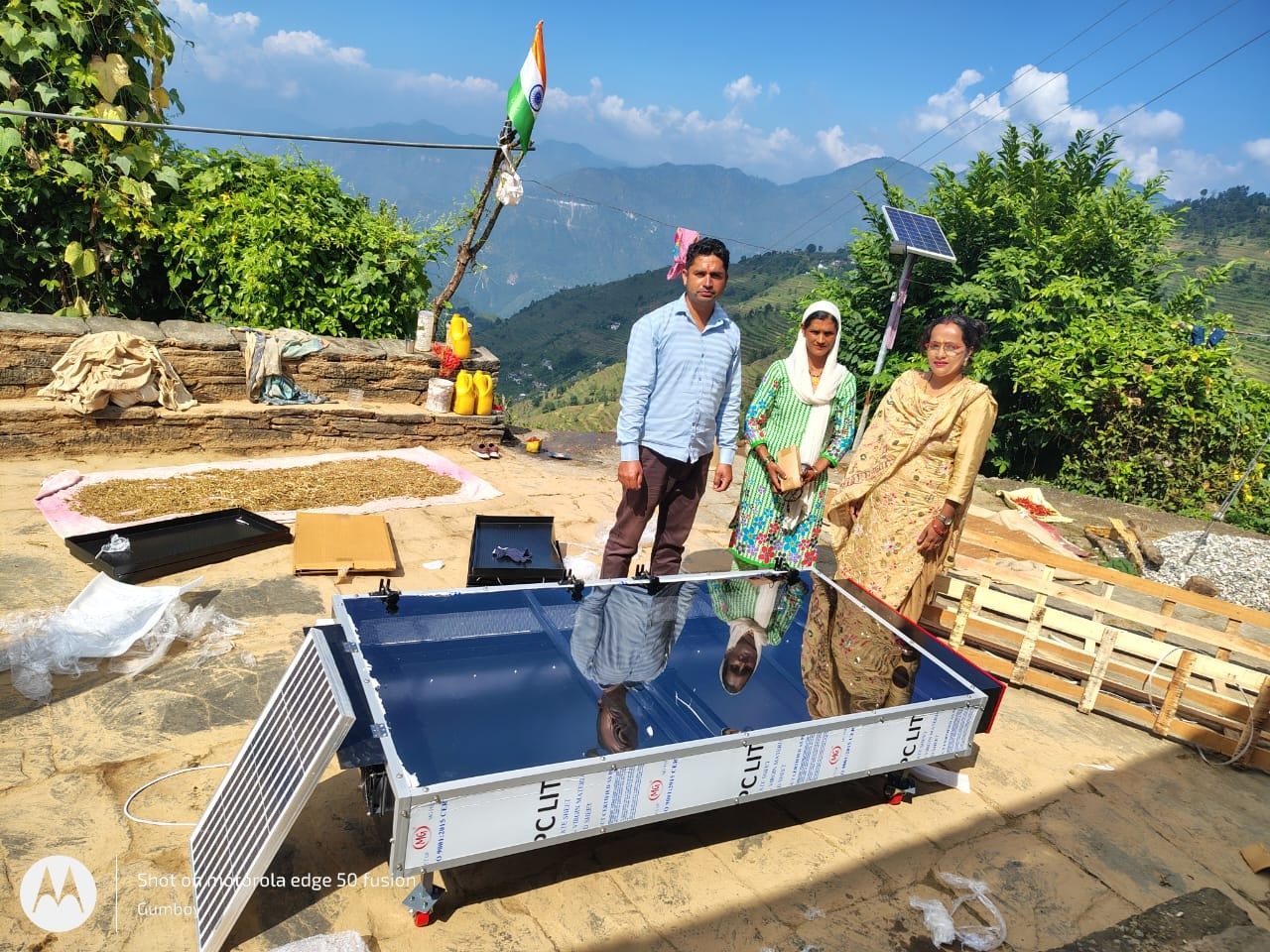
A Rudra Solar Dryer in Chikkamagaluru can be evaluated for suitable post-harvest drying of coffee and other agricultural or plantation products where a more protected drying environment is required. The district receives substantial rainfall and contains humid Western Ghats zones, so drying performance must be planned according to solar radiation, humidity, crop moisture, airflow, loading and season rather than using one fixed drying schedule.
1. Which products can be dried using a solar dryer in Chikkamagaluru?
Suitable applications can include coffee, black pepper, cardamom, arecanut and other plantation or agricultural products, depending on the processing stage and required final product.
In the district’s drier agricultural belts, solar drying can also be evaluated for suitable grains and pulses. Ragi has significant local relevance, with official district data showing multiple procurement centres and substantial farmer participation.
Each product requires its own preparation, loading, airflow and moisture-control approach.
2. Can a solar dryer be used for coffee processing in Chikkamagaluru?
Yes. Coffee drying is an important post-harvest operation in Chikkamagaluru, where the district administration specifically notes coffee curing activities involving drying, shelling, winnowing, grading and packing.
A solar dryer can be evaluated as part of a protected coffee-drying system, but the drying method must match the actual coffee process and material being handled. Requirements can differ for coffee cherry, parchment or other processing stages.
Coffee quality should not be managed using a universal temperature or drying time. Moisture level, layer depth, airflow, weather and the required final moisture must be considered carefully.
3. Is solar drying suitable for black pepper and cardamom?
Yes. Black pepper and cardamom are important intercrops in the Chikkamagaluru coffee-growing region, according to the Coffee Board of India.
Protected solar drying can be evaluated for these spices where controlled handling and reduced exposure to dust, insects and unexpected rain are important. Drying conditions should be selected according to the spice, initial moisture, preparation, loading depth and desired final quality.
4. Can arecanut and other plantation crops be dried in a solar dryer?
Solar drying can be evaluated for arecanut and other suitable plantation products, but the correct method depends strongly on the crop and the specific post-harvest stage.
Arecanut should not simply be treated like a sliced fruit or vegetable. Processing method, maturity, preparation and final moisture requirements should be understood before selecting the dryer configuration.
5. How does Chikkamagaluru’s rainy and humid climate affect solar drying?
Chikkamagaluru has high-rainfall and humid zones associated with the Western Ghats, so solar drying may be slower during monsoon, cloudy weather or periods of high ambient humidity. The district administration reports average rainfall around 1,925 mm, with significant geographic variation across the district.
An enclosed solar dryer can provide a more protected processing environment than open-sun drying, but it does not eliminate the effect of weather.
For users requiring greater processing continuity, a suitable electric or biomass backup configuration may be considered where available and appropriate.
6. Are Rudra Solar Dryers only for large coffee estates and commercial processors?
No. A suitable Rudra Solar Dryer can be evaluated for requirements ranging from individual users, small growers and home-based processors to women entrepreneurs, SHGs, FPOs, plantation businesses, MSMEs and larger commercial processors.
The system should be selected according to the fresh-input quantity per batch, product, processing frequency, tray requirement and seasonal production volume rather than simply choosing the largest model.
7. How do I choose the best solar dryer or solar dryer manufacturer for Chikkamagaluru?
The best solar dryer for Chikkamagaluru should match the crop, climate and actual processing requirement.
Important factors include:
- Suitability for coffee, spices or the intended crop
- Fresh-input capacity per batch
- Enclosed and protected drying
- Effective airflow
- Tray area and loading arrangement
- Performance under local humidity conditions
- Backup option where required
- Manufacturer experience
- Installation and after-sales support
- Real agricultural and food-processing applications
Rudra Solar Energy manufactures solar drying systems in India for requirements ranging from small individual and farm use to entrepreneurial and commercial processing.
8. Where can I get a solar dryer in Chikkamagaluru district?
Rudra Solar Energy can support solar dryer requirements across Chikkamagaluru, Kadur, Tarikere, Mudigere, Koppa, Narasimharajapura (N.R. Pura), Sringeri, Ajjampura and Kalasa, along with surrounding plantation and agricultural areas. Current district-government records identify these taluk areas.
Users can share their crop or product, current processing stage, approximate fresh-input quantity per batch, location and intended final product so a suitable Rudra Solar Dryer model and capacity can be evaluated.
Looking for a Solar Dryer in Chikkamagaluru?
Whether your requirement involves coffee, black pepper, cardamom, arecanut, ragi or another suitable plantation or agricultural product, Rudra Solar Energy can help identify an appropriate solar drying system for individual, farm, SHG/FPO, MSME or commercial processing requirements.
Keywords