Chikkaballapur is a strongly agriculture- and horticulture-oriented district of Karnataka. Official district data identifies maize, ragi, groundnut, red gram and other pulses among important agricultural crops, while horticulture includes mango, grapes, tomato, potato, rose onion, beans, carrot, beetroot and flowers. The district is also known for silk and milk production.
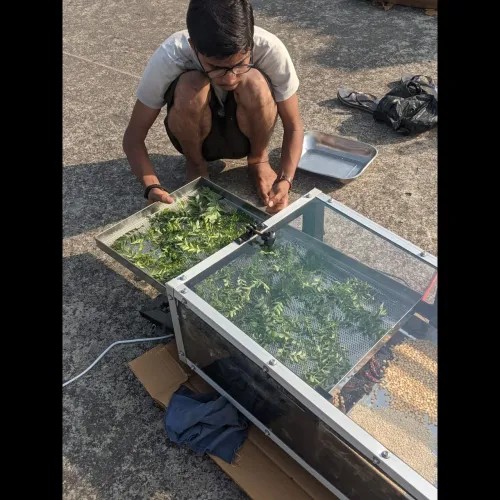
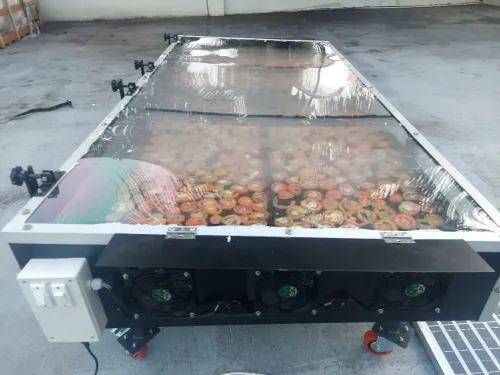
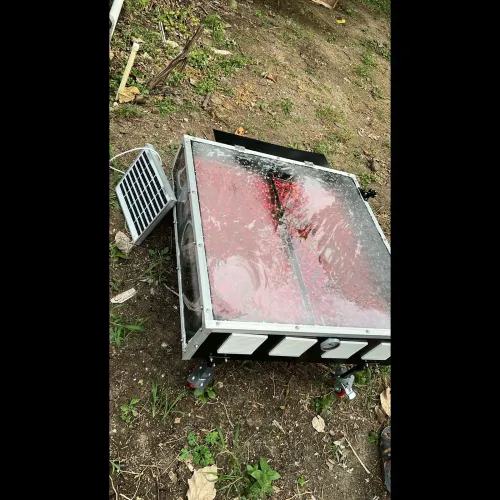
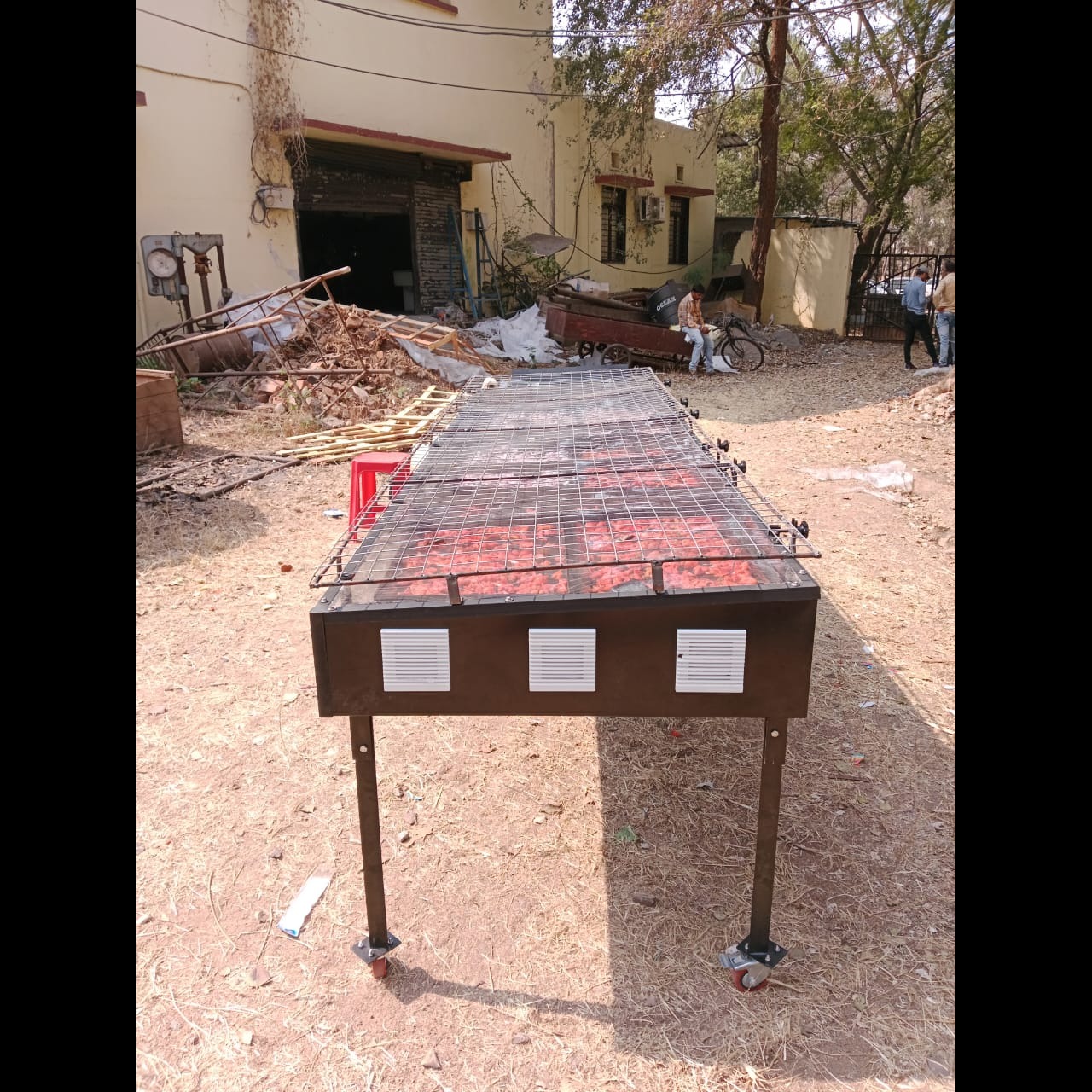
A Rudra Solar Dryer in Chikkaballapur can support individual users, farmers, women entrepreneurs, SHGs, FPOs, MSMEs and commercial food processors looking for protected drying and value addition of suitable local produce. An enclosed tray-based solar dryer helps reduce direct exposure to dust, insects, rain and open-environment contamination compared with traditional open-sun drying.
The correct dryer should be selected according to the commodity, fresh-input quantity per batch, preparation, tray loading, processing frequency and intended final product.
1. Which crops can be dried using a solar dryer in Chikkaballapur?
Suitable applications can include mango, grapes, tomato, rose onion, ragi, maize, red gram, cowpea, groundnut and other suitable fruits, vegetables, grains, pulses and agricultural products grown or processed in the district. Official district data shows substantial cultivation of these crop groups.
Drying requirements are commodity-specific, so the same drying time, temperature or tray loading should not be applied to every product.
2. Can a solar dryer be used for mango and grape processing in Chikkaballapur?
Yes. Mango and grapes are important horticultural crops in Chikkaballapur, with the district administration reporting significant cultivated area under both.
Depending on the intended product, mango can be processed into dried slices, pieces or ingredients for further processing, while grapes can be dried for suitable dehydrated products. Preparation, fruit maturity, product size, loading, airflow, humidity and final moisture requirement should be considered before processing.
3. Is solar drying suitable for tomatoes and rose onions?
Yes. Tomato and rose onion are locally relevant horticultural crops in Chikkaballapur, making them useful applications to evaluate for solar drying.
Tomatoes may be processed into dried slices, flakes or material intended for later powder production. Rose onion can also be dried for suitable food-processing applications. If powder is required, drying and grinding are separate processing stages.
4. Can ragi, maize and pulses be dried in a solar dryer?
Yes. Official agriculture data identifies maize and ragi among the district’s largest field crops, along with red gram, cowpea and other pulses.
Solar drying can support suitable grain and pulse handling where controlled tray loading and protection from open-environment exposure are useful. The required final moisture should depend on whether the material is intended for storage, food processing or seed use.
For seed applications, drying conditions should also protect seed viability and germination quality.
5. Can groundnut be processed using a solar dryer in Chikkaballapur?
Yes. Groundnut is an important oilseed crop in Chikkaballapur, with official district data showing substantial cultivation.
Solar drying may support suitable post-harvest moisture reduction or processing of groundnut, depending on the stage and intended end use. Product condition, loading depth, airflow and final moisture should be considered rather than applying a universal drying schedule.
6. Is a solar dryer suitable for farmers, women entrepreneurs and small businesses?
Yes. Rudra Solar Dryers are not limited to large factories. A suitable system can be evaluated for individual users, households, farmers, women entrepreneurs, home-based processors, SHGs and small food businesses according to the fresh-input quantity per batch.
Users planning regular or larger production can move toward higher-capacity systems based on actual processing volume and seasonal requirement.
7. How do I choose the best solar dryer or solar dryer manufacturer in Chikkaballapur?
The best solar dryer for a particular requirement should be selected according to practical application fit rather than only price or advertised capacity.
Important factors include:
- Fresh-input capacity per batch
- Commodity suitability
- Enclosed and protected drying chamber
- Airflow arrangement
- Tray area and loading
- Construction and tray options
- Solar operation and backup options where applicable
- Manufacturer experience
- Installation and after-sales support
- Real field applications
Rudra Solar Energy manufactures solar drying systems in India for requirements ranging from individual and farm-level drying to entrepreneurial, institutional and commercial food processing.
8. Where can I get a solar dryer in Chikkaballapur district?
Rudra Solar Energy can support solar dryer requirements across Chikkaballapur, Bagepalli, Chintamani, Gauribidanur, Gudibande, Shidlaghatta and surrounding areas. These are the district’s six principal taluk areas identified by the Agriculture Department.
Users can share their crop or product, fresh-input quantity per batch, location and intended processing use to identify a suitable Rudra Solar Dryer model and capacity.
Looking for a Solar Dryer in Chikkaballapur?
Whether your requirement involves mango, grapes, tomato, rose onion, ragi, maize, pulses, groundnut or another suitable agricultural product, Rudra Solar Energy can help evaluate a solar dryer for individual, farm, entrepreneurial, FPO/SHG, MSME or commercial processing requirements.
Keywords