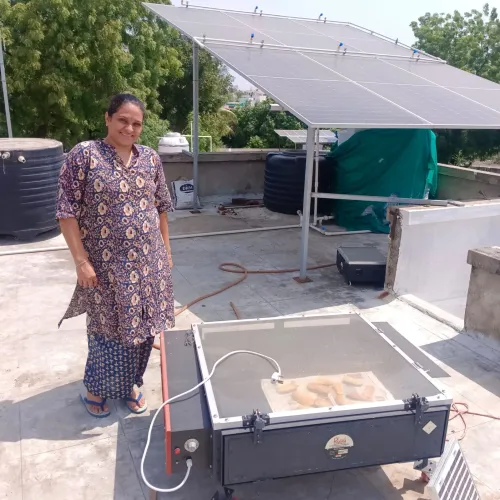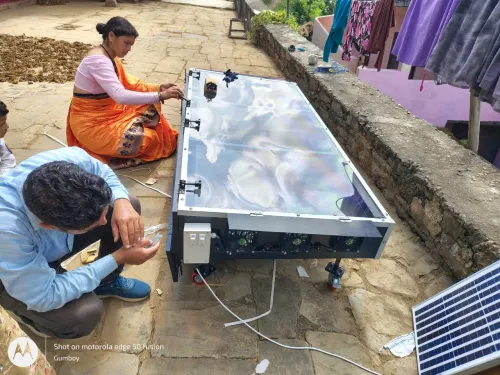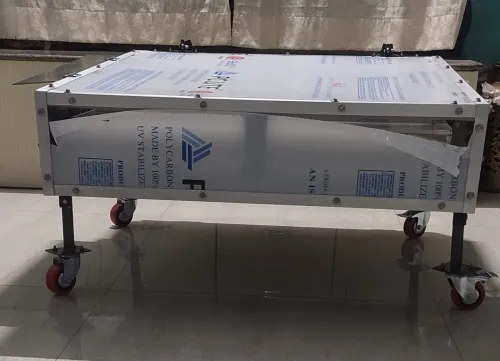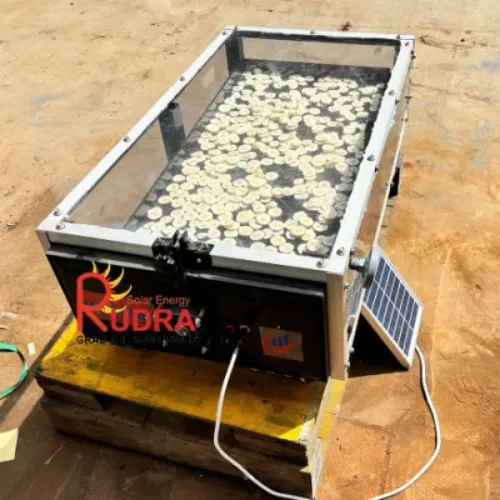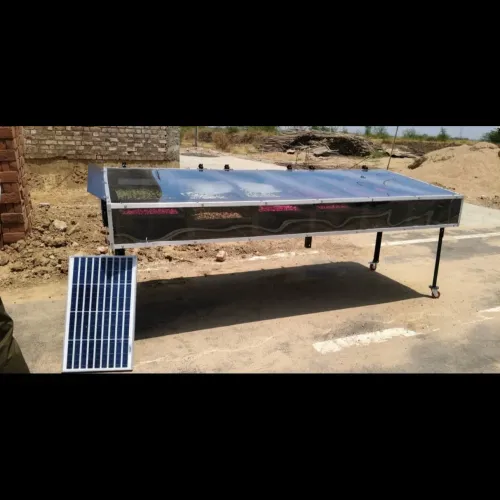

Solar Cooker The Sustainable Game Changer
Solar cookers offer significant benefits for both livelihood and sustainable development goals (SDGs). Here's a detailed look at how they contribute:
### 1. **Sustainable Energy (SDG 7: Affordable and Clean Energy)**
- **Renewable Energy Source:** Solar cookers use sunlight, a renewable resource, eliminating the need for fossil fuels or electricity for cooking.
- **Reduced Carbon Footprint:** By replacing traditional cooking methods that rely on wood, coal, or gas, solar cookers help decrease greenhouse gas emissions and deforestation.
### 2. **Health and Safety (SDG 3: Good Health and Well-being)**
- **Reduced Air Pollution:** Using solar cookers minimizes indoor air pollution caused by burning fuels, reducing respiratory problems and other health issues.
- **Safer Cooking:** Solar cookers eliminate the risk of fire hazards associated with open flames or hot stoves.
### 3. **Economic Benefits (SDG 8: Decent Work and Economic Growth)**
- **Cost Savings:** Solar cookers have low operational costs since they rely on free sunlight. This can lead to savings for households, particularly in areas where fuel is expensive.
- **Local Economic Development:** Solar cooker projects can create jobs in manufacturing, distribution, and maintenance, contributing to local economies.
### 4. **Empowerment and Education (SDG 4: Quality Education & SDG 5: Gender Equality)**
- **Educational Opportunities:** Solar cooker programs can provide educational opportunities about renewable energy and sustainability, empowering communities with knowledge and skills.
- **Women’s Empowerment:** In many communities, women are primarily responsible for cooking. Solar cookers can reduce the time and effort required for cooking, allowing women more time for education and economic activities.
### 5. **Climate Action (SDG 13: Climate Action)**
- **Mitigation of Climate Change:** By reducing reliance on non-renewable energy sources and lowering greenhouse gas emissions, solar cookers contribute to climate change mitigation efforts.
### 6. **Sustainable Communities (SDG 11: Sustainable Cities and Communities)**
- **Resource Efficiency:** Solar cookers use less fuel and generate less waste compared to conventional cooking methods, promoting resource efficiency and sustainability in communities.
### 7. **Reducing Inequalities (SDG 10: Reduced Inequality)**
- **Accessibility:** Solar cookers can be designed and adapted for low-income communities, helping to reduce energy inequalities and improve living conditions for underserved populations.
### Practical Implementation
**Community Projects:**
- Implementing solar cooker projects in communities can provide direct benefits such as improved health and reduced energy costs.
- Training local people to build and maintain solar cookers can enhance skills and create job opportunities.
**Education Programs:**
- Workshops and training sessions can educate people on how to use solar cookers effectively and the benefits they bring.
**Government and NGO Support:**
- Governments and non-governmental organizations can promote the adoption of solar cookers through subsidies, awareness campaigns, and support programs.
Overall, solar cookers represent a practical solution for sustainable development, offering environmental, economic, and social benefits that align with multiple SDGs.
Solar Cooker In India, Solar Cooking, Solar Cooker Manufacturer
Keywords