
Harnessing Solar Dryer for Sustainable Agriculture in Rwanda
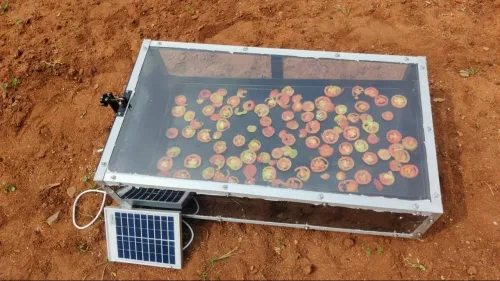
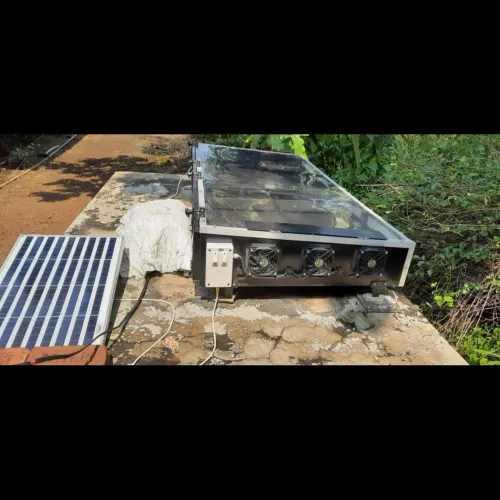
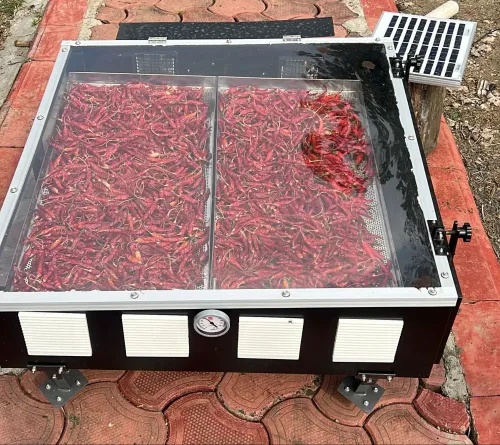
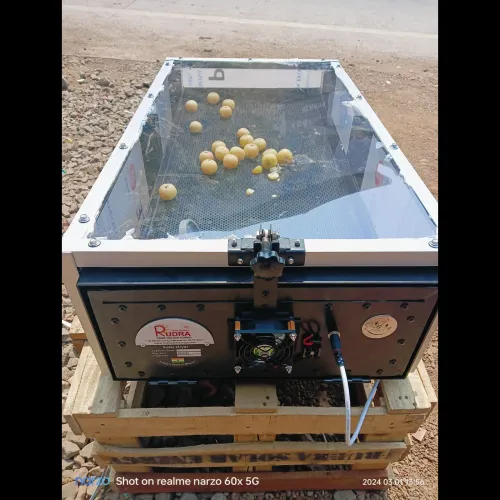
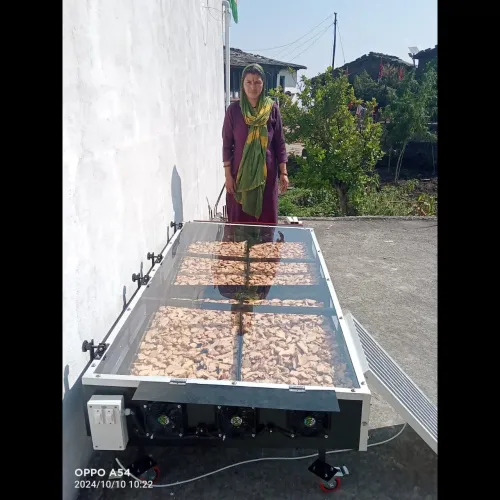
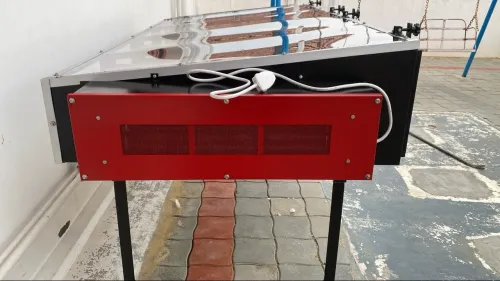
In Rwanda, agriculture is more than just a livelihood; it's a vital part of the economy and a key to ensuring food security. Solar dryers are emerging as a game-changer in this sector, offering numerous benefits that align with Rwanda’s sustainable growth goals.
**Why Solar Dryers?**
1. **Preservation of Produce**: Solar dryers significantly reduce post-harvest losses by efficiently drying fruits, vegetables, and grains. This is crucial in Rwanda, where inadequate storage often leads to spoilage. By extending the shelf life of produce, solar dryers ensure that agricultural products remain available for longer periods, boosting food security.
2. **Economic Benefits**: These dryers enable farmers to sell dried produce at higher prices, increasing their income. Additionally, they reduce reliance on costly and scarce fuels like firewood or charcoal, cutting operational costs and enhancing profitability.
3. **Improved Food Quality**: Solar drying maintains the nutritional value and quality of produce, which is advantageous for both local consumption and export markets.
4. **Energy Efficiency**: Utilizing abundant and renewable solar energy aligns with Rwanda’s commitment to sustainable development and reduces dependency on non-renewable energy sources.
**Impact on Sustainable Growth**
1. **Environmental Impact**: By minimizing the need for wood and charcoal, solar dryers contribute to forest conservation and reduce deforestation. They also lower the carbon footprint of agricultural processes, supporting Rwanda’s environmental goals.
2. **Economic Development**: Solar dryers create local job opportunities in their production, maintenance, and management, fostering community development. They also open up broader market access for farmers, stimulating economic growth.
3. **Social Benefits**: Enhanced food preservation leads to improved food security and empowers smallholder farmers by giving them better control over food production and marketing.
4. **Health Benefits**: Solar drying is a cleaner preservation method, reducing contamination risks and promoting food safety.
5. **Alignment with National Goals**: Solar dryers support Rwanda’s Vision 2050 by advancing agricultural innovation, productivity, and sustainability.
**Challenges and Considerations**
Despite their benefits, solar dryers come with challenges such as high initial costs and the need for proper maintenance and training. Addressing these issues through supportive programs and scaling initiatives can maximize their impact.
In conclusion, solar dryers are not just a technological advancement; they are a sustainable solution that enhances agricultural efficiency, supports economic development, and promotes environmental conservation. As Rwanda continues to focus on sustainable growth, solar dryers will play a pivotal role in transforming its agricultural landscape.
#Sustainability #Agriculture #RenewableEnergy #SolarDryers #Rwanda #FoodSecurity #EconomicDevelopment #Innovation
In Rwanda, agriculture is more than just a livelihood; it's a vital part of the economy and a key to ensuring food security. Solar dryers are emerging as a game-changer in this sector, offering numerous benefits that align with Rwanda’s sustainable growth goals.
**Why Solar Dryers?**
1. **Preservation of Produce**: Solar dryers significantly reduce post-harvest losses by efficiently drying fruits, vegetables, and grains. This is crucial in Rwanda, where inadequate storage often leads to spoilage. By extending the shelf life of produce, solar dryers ensure that agricultural products remain available for longer periods, boosting food security.
2. **Economic Benefits**: These dryers enable farmers to sell dried produce at higher prices, increasing their income. Additionally, they reduce reliance on costly and scarce fuels like firewood or charcoal, cutting operational costs and enhancing profitability.
3. **Improved Food Quality**: Solar drying maintains the nutritional value and quality of produce, which is advantageous for both local consumption and export markets.
4. **Energy Efficiency**: Utilizing abundant and renewable solar energy aligns with Rwanda’s commitment to sustainable development and reduces dependency on non-renewable energy sources.
**Impact on Sustainable Growth**
1. **Environmental Impact**: By minimizing the need for wood and charcoal, solar dryers contribute to forest conservation and reduce deforestation. They also lower the carbon footprint of agricultural processes, supporting Rwanda’s environmental goals.
2. **Economic Development**: Solar dryers create local job opportunities in their production, maintenance, and management, fostering community development. They also open up broader market access for farmers, stimulating economic growth.
3. **Social Benefits**: Enhanced food preservation leads to improved food security and empowers smallholder farmers by giving them better control over food production and marketing.
4. **Health Benefits**: Solar drying is a cleaner preservation method, reducing contamination risks and promoting food safety.
5. **Alignment with National Goals**: Solar dryers support Rwanda’s Vision 2050 by advancing agricultural innovation, productivity, and sustainability.
**Challenges and Considerations**
Despite their benefits, solar dryers come with challenges such as high initial costs and the need for proper maintenance and training. Addressing these issues through supportive programs and scaling initiatives can maximize their impact.
In conclusion, solar dryers are not just a technological advancement; they are a sustainable solution that enhances agricultural efficiency, supports economic development, and promotes environmental conservation. As Rwanda continues to focus on sustainable growth, solar dryers will play a pivotal role in transforming its agricultural landscape.
#Sustainability #Agriculture #RenewableEnergy #SolarDryers #Rwanda #FoodSecurity #EconomicDevelopment #Innovation
Keywords