Nalanda is an agriculture-based district in Bihar where farming remains a major source of livelihood. The district administration identifies paddy, potato and onion among the principal crops grown by local farmers. Under the PMFME One District One Product framework, potato-based products are specifically identified for Nalanda, giving the district a strong product-specific opportunity for food processing and agricultural value addition.
Fresh potato, onion, vegetables, grains and other agricultural products contain moisture that can create challenges during storage, grading, milling, packaging and further processing. Washed, peeled or sliced produce carries additional surface moisture and generally needs systematic drying before it can be used as a dehydrated ingredient.
Traditional open-sun drying may expose products to:
- Dust and roadside contamination
- Insects, birds and animals
- Sudden rainfall
- Changing atmospheric humidity
- Unclean floors or plastic sheets
- Uneven sunlight and airflow
- Moisture reabsorption during evenings
- Repeated manual handling
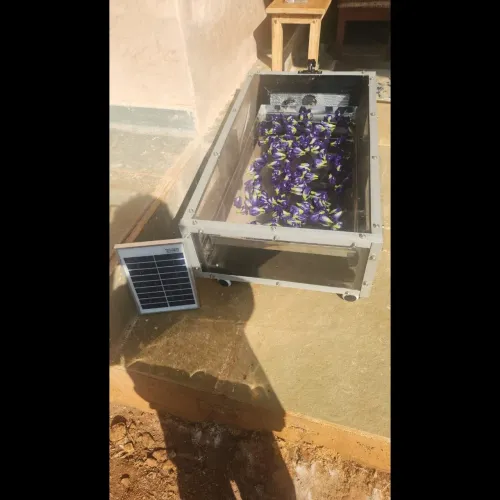
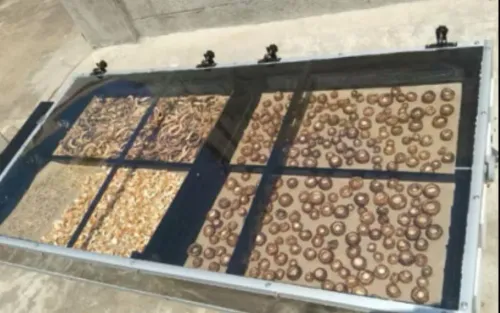
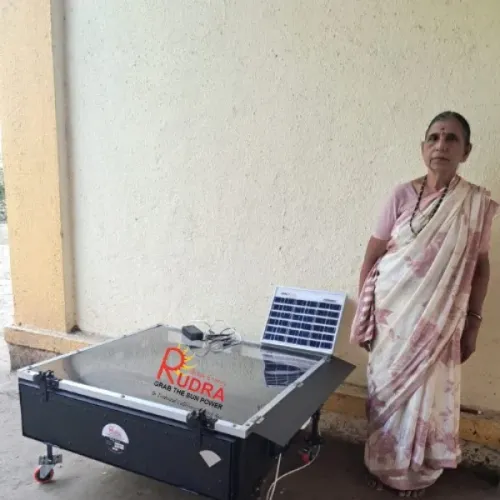
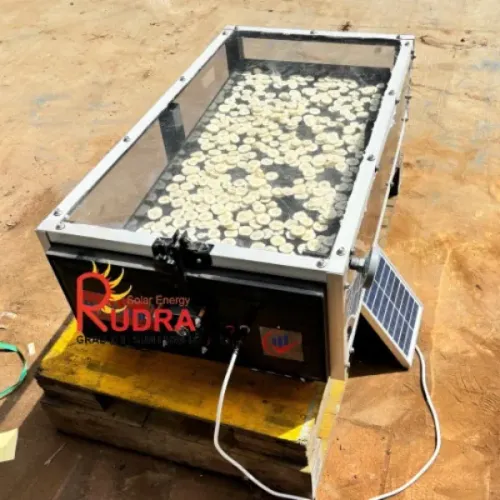
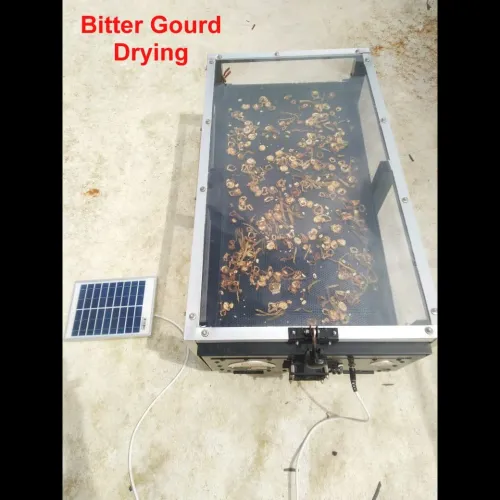
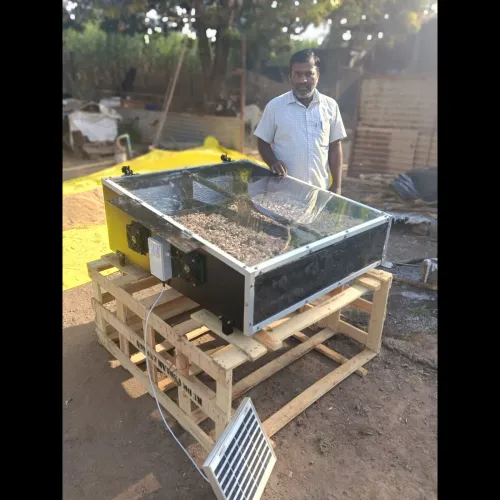
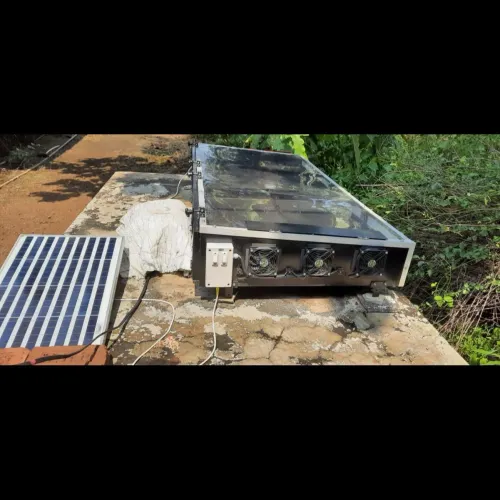
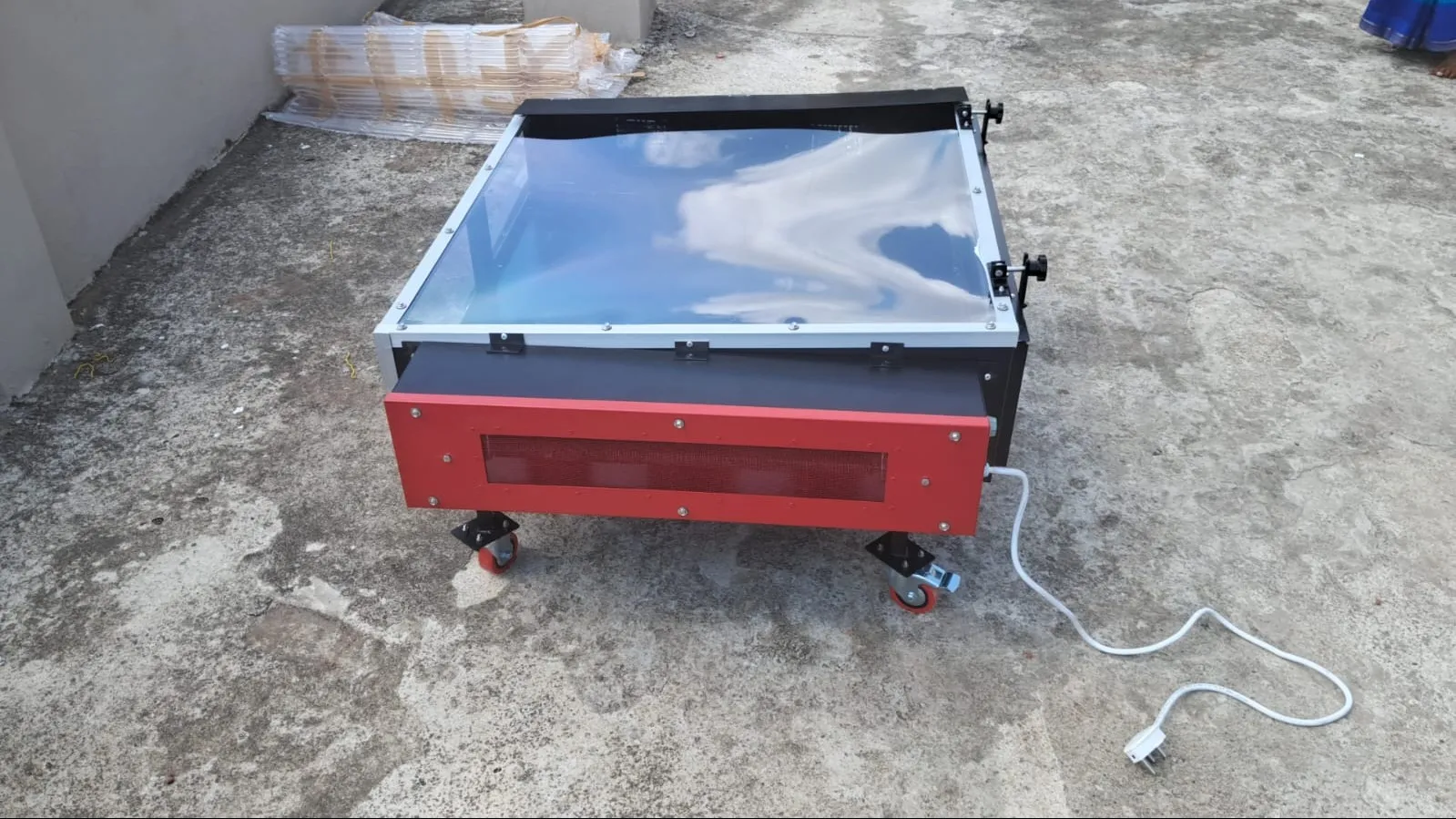
A Commercial Solar Dryer in Nalanda provides an enclosed, tray-based environment where solar thermal energy and organised airflow help reduce moisture from technically suitable agricultural and food products.
The dryer supports the moisture-reduction stage. It does not automatically perform peeling, blanching, frying, milling, grinding, seasoning or packaging. These remain separate parts of the complete processing workflow.
Solar Drying Applications for Potato-Based Products
Potato-based products are Nalanda’s recognised PMFME ODOP category, making potato processing the strongest local application for positioning a Commercial Solar Dryer in the district.
Fresh potatoes cannot generally be placed directly into a dryer without preparation. The exact preparation depends on the required final product.
Potential solar-drying applications include:
- Dehydrated potato slices
- Dried potato cubes
- Ready-to-cook potato ingredients
- Potato flakes raw material after suitable additional processing
- Potato powder raw material after separate grinding
- Ingredients for soups and premixes
- Institutional food-processing ingredients
- Packaged dehydrated potato products
A typical processing sequence may include:
- Sorting suitable potatoes
- Removing damaged or spoiled material
- Hygienic washing
- Peeling where required
- Uniform slicing, cubing or shredding
- Product-specific blanching or pre-treatment
- Draining surface water
- Even tray loading
- Solar drying
- Cooling
- Final moisture testing
- Packaging and storage
Uniform cutting is important because thick and thin potato pieces dry at different rates. Thin pieces may become excessively dry while thicker pieces retain internal moisture.
Trays should not be overloaded or filled with overlapping layers. Restricted airflow can create wet areas, uneven colour and inconsistent final moisture.
A solar dryer must not be shown producing fried potato chips. Frying requires oil and separate food-processing equipment. Solar drying only reduces moisture.
Similarly, potato powder is not produced directly inside the dryer. Properly dried potato material must undergo separate grinding, sieving and packaging.
Why Potato Drying Requires Product-Specific Planning
Potato contains substantial moisture and starch, so inappropriate preparation or drying may affect:
- Colour
- Texture
- Surface appearance
- Rehydration characteristics
- Drying consistency
- Grinding suitability
- Storage stability
- Final product quality
The processor should define the intended output before selecting the system.
For example, a business producing dehydrated potato cubes may need a different cutting size and process from a business preparing raw material for potato powder or instant food mixes.
Important technical details include:
- Potato variety
- Fresh quantity per day
- Average size
- Slice or cube thickness
- Initial moisture
- Required final moisture
- Pre-treatment method
- Tray-loading quantity
- Expected dried recovery
- Packaging format
- Target buyer
One generic temperature or drying duration should not be assumed suitable for every potato product.
Onion Drying and Value-Addition Opportunities
The Nalanda district administration also identifies onion as one of the crops grown by local farmers.
Fresh onions can be processed into suitable dehydrated ingredients when proper preparation, drying and packaging systems are available.
Potential applications include:
- Dehydrated onion slices
- Onion flakes
- Dried onion pieces
- Onion granule raw material
- Onion powder raw material after separate grinding
- Seasoning ingredients
- Ready-to-cook food ingredients
- Institutional and commercial food ingredients
The onion-processing sequence may include:
- Sorting
- Removal of damaged bulbs
- Peeling
- Washing where required
- Uniform slicing
- Draining
- Tray loading
- Drying
- Cooling
- Moisture checking
- Separate grinding where powder is required
- Packaging
Onion is a strong-smelling product. It may leave odour or residue inside the chamber and on trays.
Therefore:
- Onion should be processed in planned batches.
- Trays and chamber surfaces should be cleaned afterward.
- Delicate fruits, herbs or bakery ingredients should not be processed immediately without proper cleaning.
- Cross-contamination and odour transfer should be considered when one dryer handles multiple products.
Paddy, Wheat, Maize and Grain Applications
Paddy is another principal crop identified in Nalanda’s official district profile.
Farmers, grain traders, FPOs and milling businesses may require moisture reduction before:
- Storage
- Milling
- Grading
- Transportation
- Packaging
- Seed handling
- Further food processing
Potential grain applications may include:
- Paddy
- Wheat
- Maize
- Other locally handled cereals
- Selected seed lots under carefully controlled conditions
Important factors include:
- Exact grain
- Initial moisture
- Required final moisture
- Food or seed use
- Daily quantity
- Loading depth
- Airflow
- Storage duration
- Processing season
Grains should not be loaded in excessively deep layers. Heated air must move through or around the material while humid air exits the chamber.
Poor loading may cause the upper portion to dry more quickly while moisture remains trapped in the lower portion.
Seed drying needs additional caution because excessive temperature can affect germination. A system intended for seed-quality paddy, wheat or maize should be evaluated separately from a normal food-grain application.
The dryer does not:
- Convert paddy into rice
- Grind wheat into flour
- Roast maize
- Produce puffed grain
- Remove all foreign matter
- Grade the grain automatically
These operations require separate machinery.
Vegetable Dehydration Opportunities in Nalanda
Along with potato and onion, farmers, SHGs and food-processing businesses may evaluate solar drying for technically suitable vegetables handled in the district.
Potential products include:
- Tomato
- Garlic
- Chilli
- Okra
- Carrot
- Beetroot
- Brinjal
- Leafy vegetables
- Peas
- Seasonal vegetables
Possible final outputs include:
- Dehydrated tomato pieces
- Garlic flakes
- Dried chilli
- Carrot or beetroot slices
- Ready-to-cook vegetable mixes
- Soup ingredients
- Institutional food ingredients
- Vegetable powder raw material after separate grinding
Every vegetable requires its own preparation process.
Some vegetables may require:
- Peeling
- Slicing
- Blanching
- Draining
- Thin-layer loading
- Lower temperature
- Product-specific pre-treatment
Leafy vegetables generally require gentle drying and greater exposed tray area. Dense products such as potato, carrot or beetroot need uniform cutting and suitable loading thickness.
A solar dryer must not be represented as cooking vegetables, preparing curry, frying products or producing powder automatically.
Pulses and Legume Processing
Farmers and agricultural processors in Nalanda may also handle pulses and legumes requiring moisture management before storage or milling.
Suitable applications may include:
- Chickpeas
- Lentils
- Pigeon peas
- Green gram
- Black gram
- Field peas
- Other whole pulses
A suitable Commercial Solar Dryer may support moisture reduction before:
- Storage
- Dehusking
- Splitting
- Milling
- Seed preservation
- Grading
- Packaging
Whole pulses should not be shown turning directly into split dal inside the dryer.
A complete pulse-processing sequence may include:
Cleaning → drying or moisture conditioning → dehusking → splitting → grading → polishing where applicable → packaging
The exact moisture requirement depends on the crop, processing method and next stage.
For pulse applications, customers should share:
- Exact crop
- Whole or processed form
- Food or seed use
- Initial moisture
- Required final moisture
- Daily quantity
- Next processing step
- Storage period
Fruit, Herb and Spice Applications
Farmers, SHGs and rural food enterprises may also evaluate suitable solar drying applications for locally available fruits, spices and herbs.
Potential products include:
- Mango
- Guava
- Banana
- Papaya
- Amla
- Chilli
- Ginger
- Turmeric
- Garlic
- Mint
- Tulsi
- Lemongrass
- Curry leaves
- Citrus peel
Possible outputs include:
- Dried fruit slices
- Fruit snack ingredients
- Chilli and spice materials
- Garlic flakes
- Ginger or turmeric slices
- Herbal tea ingredients
- Bakery ingredients
- Beverage botanicals
- Powder raw materials after separate grinding
Fruits generally require:
- Sorting
- Washing
- Peeling
- Deseeding
- Uniform slicing
- Pre-treatment where required
- Draining
- Tray loading
- Drying
- Cooling
- Packaging
Herbs, leaves and flowers may require gentler drying conditions because excessive temperatures can affect colour, aroma, texture and appearance.
Only solid ingredients should be placed inside the dryer. Juice, milk, syrup, liquid extract or ready-made beverages should not be placed inside it.
Advantages Over Traditional Open-Sun Drying
Traditional drying may involve spreading produce on rooftops, roadsides, courtyards, fields or plastic sheets.
This may create:
- Direct dust exposure
- Insect and bird contamination
- Sudden wetting from rainfall
- Product contact with unclean surfaces
- Uneven sunlight
- Uneven airflow
- Moisture reabsorption
- Repeated covering and movement
- Difficulty maintaining batch records
- Greater dependence on open space
A Commercial Solar Dryer provides:
- Enclosed tray-based handling
- Reduced direct exposure to dust and insects
- Better protection from sudden rainfall
- More organised use of available space
- Easier batch observation
- Better airflow planning
- Improved suitability for commercial processing
- Cleaner handling before packaging or grinding
However, enclosed drying does not automatically guarantee uniform quality. The operator must still maintain proper product preparation, tray loading, airflow, final moisture testing, cooling and packaging.
Performance During Humid and Rainy Conditions
A Commercial Solar Dryer protects products from direct rain more effectively than open drying, but it is not completely independent of weather.
During cloudy or humid conditions:
- Internal temperature may remain lower.
- Drying time may increase.
- Moisture removal may slow.
- Tray loading may need to be reduced.
- Ventilation becomes more important.
- Final moisture must be checked carefully.
- Hybrid heating may be considered for commercial continuity.
Fans can improve airflow, but they do not create solar heat by themselves.
Businesses requiring night-time, monsoon or year-round processing should clearly discuss:
- Processing months
- Required daily production
- Electricity availability
- Backup-energy options
- Product sensitivity
- Final moisture requirement
A technically suitable hybrid configuration should be planned rather than assumed to be included in every solar dryer.
Who Can Use a Solar Dryer in Nalanda?
A Solar Dryer Machine in Nalanda can be considered by:
- Potato farmers
- Onion growers
- Farmer Producer Organizations
- Self Help Groups
- Agricultural cooperatives
- Rural entrepreneurs
- Potato-processing businesses
- Vegetable processors
- Grain and pulse traders
- Seed producers
- Food-processing MSMEs
- Common processing centres
Individual farmers
Farmers can use product-specific systems for moisture reduction and small-scale value addition.
The capacity should match realistic daily produce availability rather than only the maximum harvest available for a few days.
Farmer Producer Organizations
FPOs can establish common processing facilities where produce from members moves through:
Collection → weighing → sorting → washing → cutting → tray loading → drying → cooling → grading → packaging → storage
The system capacity should be based on the quantity members will genuinely supply each day.
Self Help Groups
SHGs may explore products such as:
- Dehydrated potato slices
- Onion flakes
- Garlic flakes
- Dried vegetables
- Spice ingredients
- Ready-to-cook mixes
- Herbal ingredients
- Packaged local food products
A manageable and consistently utilised dryer may be more practical than an oversized system that exceeds the group’s preparation, cooling and packaging capacity.
Commercial processors
Larger processing businesses may require:
- Greater tray area
- Forced airflow
- Temperature monitoring
- Humidity monitoring
- Product-specific trays
- Multiple daily batches
- Hybrid heat support
- Integration with cutting, blanching, cooling and packaging systems
Selecting the Right Commercial Solar Dryer Capacity
The dryer should be selected according to the exact product and required processing stage.
Customers should share:
- Exact product name
- Fresh quantity per batch
- Fresh quantity per day
- Initial moisture, if known
- Required final moisture
- Slice or piece dimensions
- Processing season
- Number of daily batches
- Available installation area
- Electricity availability
- Required final product
- Future expansion requirement
For potato applications, buyers should also provide:
- Whole potato quantity
- Quantity after peeling
- Slice or cube thickness
- Blanching process
- Desired dried texture
- Expected final use
Fresh input and dried output are different because moisture, peel and other preparation losses may reduce the final quantity.
Compare Usable Tray Area
Buyers should ask for:
- Total number of trays
- Individual tray dimensions
- Total usable tray area
- Tray material
- Tray mesh
- Loading quantity per tray
- Recommended loading depth
- Ease of cleaning
External machine dimensions alone do not explain actual processing capacity.
Understand Airflow
Solar heat supports evaporation, but released moisture must leave the drying chamber.
Poor airflow can cause:
- Slow drying
- Condensation
- Wet spots
- Uneven colour
- Moisture variation
- Longer batch duration
- Product deterioration
The buyer should confirm whether the system uses:
- Natural convection
- Fan-assisted airflow
- Forced circulation
- Adjustable ventilation
- Hybrid heating support
Commercial Solar Dryer Price in Nalanda
There is no single fixed Commercial Solar Dryer price for every potato, onion, grain or vegetable application.
The total cost depends on:
- Product type
- Fresh input capacity
- Total tray area
- Tray material
- Chamber construction
- Natural or forced airflow
- Sensors and monitoring
- Hybrid heating requirements
- Transportation to Nalanda
- Site preparation
- Installation
- Electrical work
- Supporting processing equipment
- Operator training
- After-sales support
A small system for an SHG producing onion flakes will differ from a larger dryer designed for an FPO or commercial potato-processing enterprise.
Buyers should compare complete technical specifications rather than choosing only the lowest quotation.
Quality, Cooling, Packaging and Storage
The drying process does not end when the product leaves the dryer.
Important quality steps include:
- Use suitable and safe raw material.
- Remove spoiled or damaged produce.
- Maintain uniform cutting.
- Keep trays and tools clean.
- Avoid tray overloading.
- Monitor drying progress.
- Verify final moisture.
- Cool products in a clean area.
- Package promptly after cooling.
- Use moisture-resistant packaging.
- Store products in a dry environment.
- Maintain batch records.
- Clean the system between different products.
Warm products should not be sealed immediately because condensation may form inside the package.
Dried products should also not remain exposed to humid air for unnecessarily long periods, as they may absorb moisture again.
Shelf life depends on raw-material quality, final moisture, hygiene, packaging, seal integrity and storage conditions. Solar drying alone does not guarantee a fixed shelf life.
Rudra Solar Energy Solutions in Nalanda
Rudra Solar Energy provides customised Commercial Solar Drying Solutions in Nalanda, Bihar for:
- Potato growers and processors
- Onion farmers
- FPOs
- SHGs
- Cooperatives
- Grain and pulse businesses
- Rural entrepreneurs
- MSMEs
- Food-processing industries
Systems can be evaluated for:
- Potato-based products
- Onion and garlic
- Paddy and grains
- Pulses and legumes
- Fruits and vegetables
- Spices and herbs
- Other technically suitable agricultural products
The recommended configuration is planned according to:
- Exact product
- Fresh daily quantity
- Initial and required final moisture
- Product preparation
- Tray requirement
- Airflow
- Project location
- Processing season
- Installation space
- Electricity availability
- Required final output
- Future expansion
For a suitable recommendation, share:
- Exact product name
- Fresh quantity per day
- Required dried output
- Current processing or drying method
- Project location in Nalanda
- Processing season
- Available installation area
- Electricity availability
- Site photographs or videos
Based on these details, Rudra Solar Energy can evaluate a practical solar drying configuration for potato dehydration, onion processing, cleaner post-harvest moisture management and agricultural value addition in Nalanda.
Keywords