Munger district has a diverse agricultural base covering food grains, pulses, oilseeds, vegetables and horticultural crops. Krishi Vigyan Kendra, Munger lists paddy, maize, red gram and millets among important kharif crops, while wheat, gram, lentil, linseed, peas, mustard, potato, tomato and several vegetables are handled during the rabi season. Mango, bael, guava, jamun and jackfruit are also identified among the district’s horticultural crops.
This crop diversity creates opportunities for farmers, Farmer Producer Organizations, Self Help Groups and food-processing enterprises to improve post-harvest moisture management and develop value-added products. However, freshly harvested grains, pulses, fruits and vegetables may contain excess moisture, while washed or sliced produce requires further drying before safe packaging or processing.
Traditional open-sun drying may expose products to dust, insects, birds, animals, sudden rainfall and changing humidity. Products spread on open floors, rooftops, roadsides or plastic sheets may also dry unevenly because sunlight, airflow and loading thickness vary across the batch.
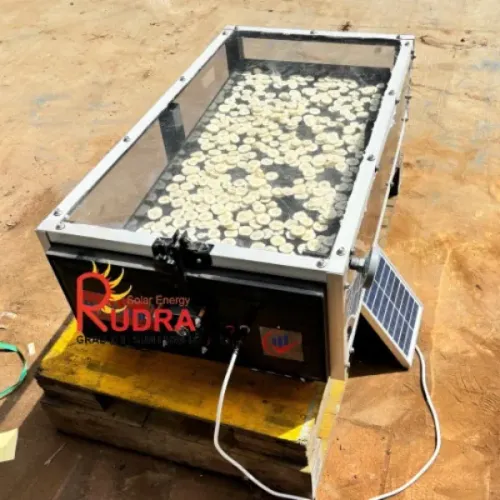
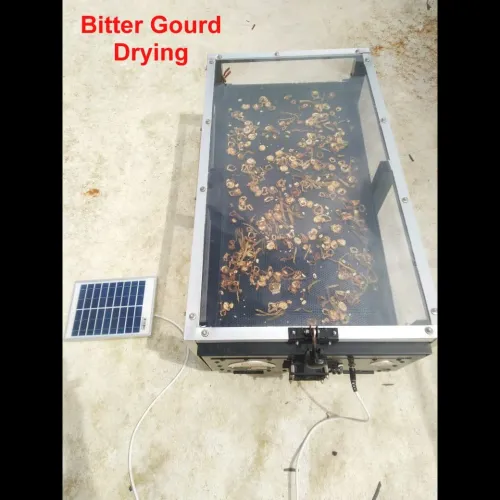
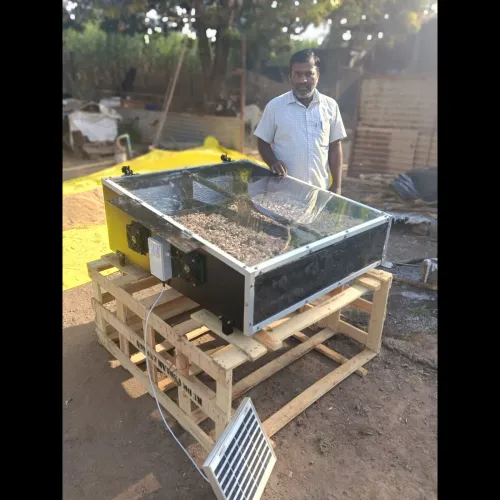
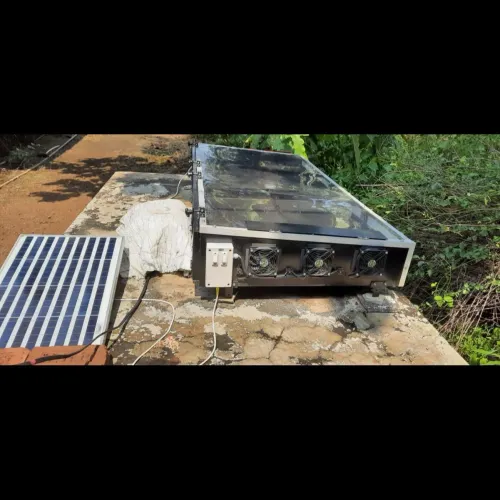
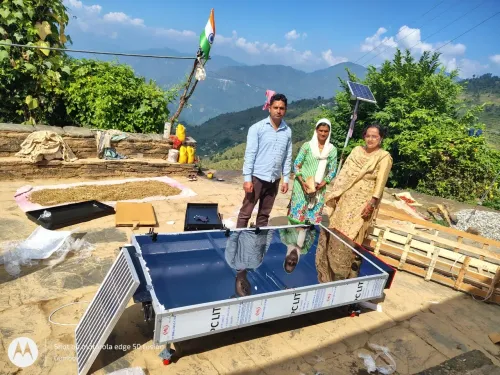
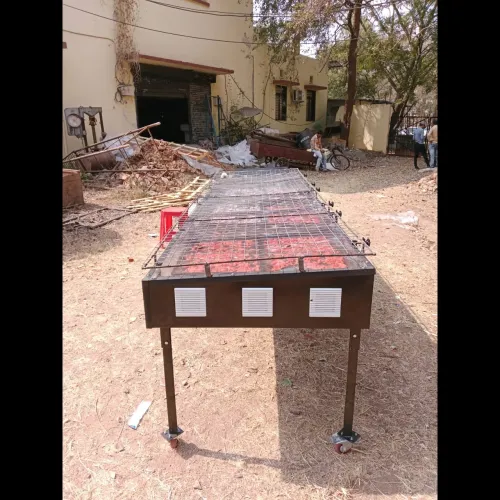
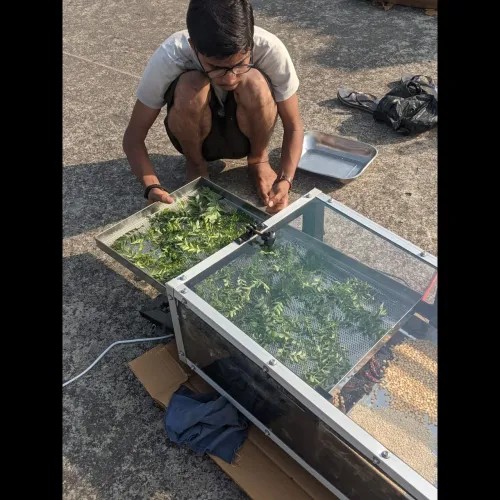
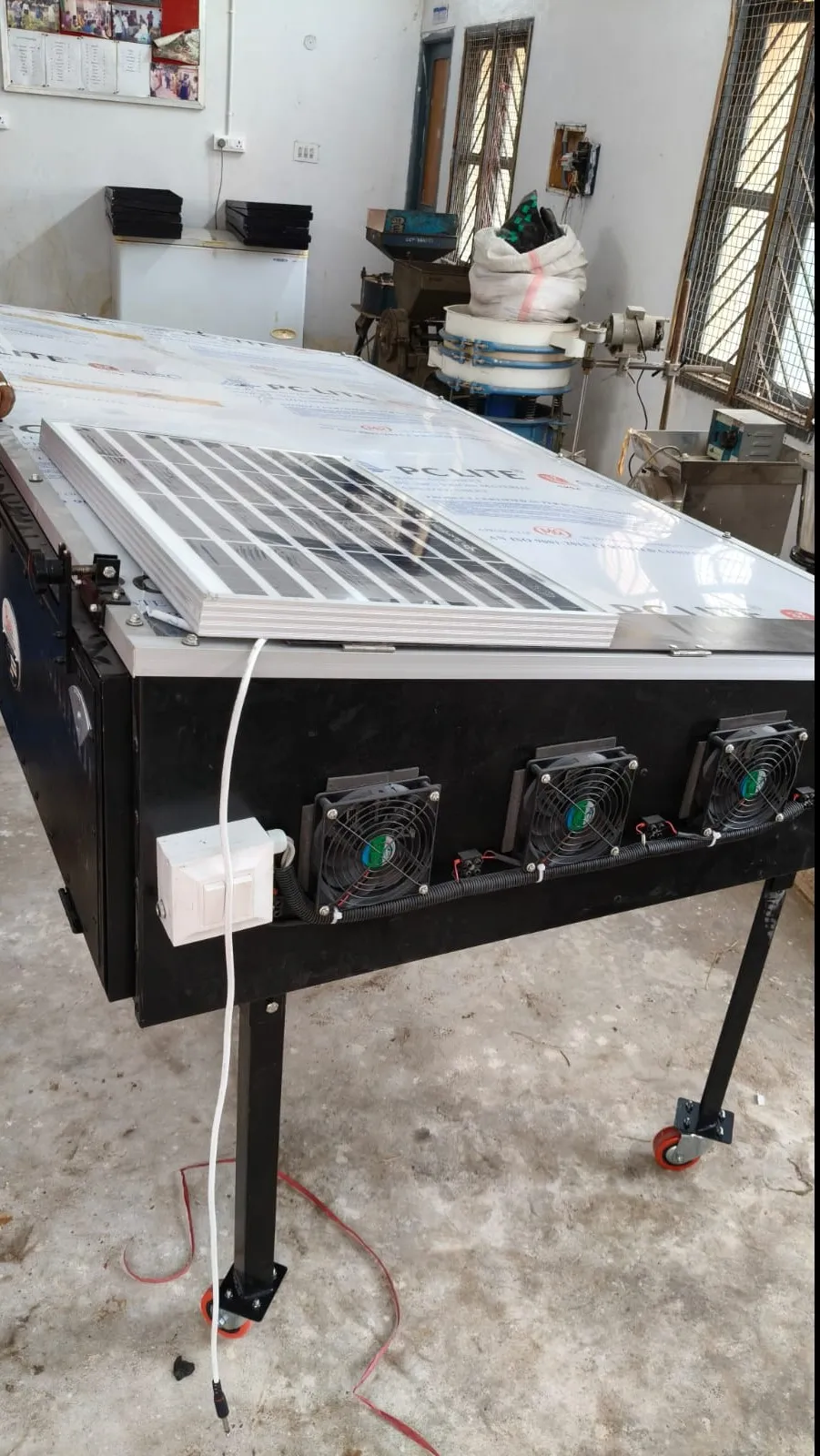
A Commercial Solar Dryer in Munger provides an enclosed, tray-based system where solar thermal energy and organised airflow help reduce moisture from technically suitable agricultural and food products. The system supports cleaner handling while reducing direct exposure to external contamination and unexpected weather.
Solar Drying Applications for Paddy, Maize and Wheat
Paddy, maize and wheat form an important part of Munger’s cropping system. These grains may require moisture reduction before:
- Storage
- Milling
- Grading
- Transportation
- Packaging
- Seed handling
- Further food processing
For grain drying, important factors include:
- Initial moisture
- Required final moisture
- Daily quantity
- Grain variety
- Loading depth
- Airflow
- Food or seed use
- Intended storage period
Grains should not be loaded in excessively deep layers because restricted airflow may leave moisture trapped inside the batch.
For seed-quality grain, temperature management requires additional care. Excessive heat may affect germination, so a dryer intended for seed drying should be evaluated differently from a general food-grain application.
A solar dryer reduces moisture only. It does not mill paddy into rice, grind wheat into flour, roast maize or automatically grade grain.
Pulses, Legumes and Oilseed Processing
Munger’s crop profile includes gram, lentil, red gram, mung bean, peas, mustard and linseed. KVK Munger also reports pulse and oilseed seed-production activity involving pigeon pea, lentil, chickpea, field pea, horse gram, mustard and linseed.
A suitable solar dryer may support moisture reduction before:
- Storage
- Dehusking
- Splitting
- Milling
- Seed preservation
- Grading
- Packaging
- Oil extraction through separate equipment
Whole pulses should not be shown converting directly into split dal inside the dryer. Pulse processing generally involves separate cleaning, conditioning, dehusking, splitting and grading stages.
Likewise, mustard or linseed is not converted into oil inside the solar dryer. Oil extraction requires separate expeller or processing machinery.
For pulses and oilseeds, customers should share:
- Exact crop
- Whole or processed form
- Initial moisture
- Required final moisture
- Food or seed use
- Daily quantity
- Next processing stage
Mango, Guava, Bael, Jamun and Jackfruit Processing
Munger’s horticultural profile includes mango, bael, guava, jamun and jackfruit. These products can support local value addition when processed correctly.
Potential applications include:
- Dried mango slices
- Guava slices
- Bael ingredients
- Jamun ingredients
- Jackfruit pieces
- Fruit snack ingredients
- Bakery ingredients
- Beverage ingredients
- Fruit-powder raw material after separate grinding
Fresh fruits generally require:
- Sorting
- Washing
- Peeling where required
- Deseeding
- Uniform slicing
- Product-specific pre-treatment
- Draining surface water
- Tray loading
- Drying
- Cooling
- Moisture checking
- Packaging
Uniform slicing is important because thick and thin pieces dry at different speeds. Overlapping fruit pieces may restrict airflow and create uneven moisture.
The dryer does not directly produce fruit powder. Grinding and sieving remain separate stages after suitable drying and cooling.
Vegetables, Chilli and Herb Applications
Munger also handles vegetables such as pointed gourd, bottle gourd, bitter gourd, brinjal, potato, tomato and cabbage, while local farming examples include onion, coriander and ajwain.
Suitable drying applications may include:
- Tomato slices
- Onion flakes
- Potato slices
- Brinjal pieces
- Dried chilli
- Coriander materials
- Ajwain
- Mint and mentha
- Seasonal vegetables
- Herbal ingredients
Different products require different preparation methods. Some vegetables may need blanching, while leafy or aromatic materials may require gentler temperatures.
The solar dryer should not be represented as frying potato chips, cooking vegetables or producing powder automatically. Its role is moisture reduction.
Why Enclosed Solar Drying Matters in Munger
Open drying may create several problems:
- Direct exposure to dust and insects
- Sudden rainfall
- Moisture reabsorption
- Uneven drying
- Repeated movement of produce
- Requirement for large open areas
- Limited batch monitoring
An enclosed Commercial Solar Dryer helps organise products on trays and protect them from direct environmental exposure.
However, performance still depends on sunlight, humidity, airflow, loading depth and product preparation. During cloudy or humid conditions, drying time may increase and tray loading may need adjustment.
Who Can Use a Solar Dryer in Munger?
A Solar Dryer Machine in Munger can be considered by:
- Individual farmers
- Farmer Producer Organizations
- Self Help Groups
- Agricultural cooperatives
- Grain and pulse processors
- Fruit and vegetable processors
- Seed producers
- Spice businesses
- Food-processing MSMEs
FPOs can establish shared facilities where produce is collected, cleaned, prepared, dried, cooled, graded and packaged through common infrastructure.
Capacity should be based on actual daily produce supply rather than only total seasonal production.
Selecting the Right Commercial Solar Dryer Capacity
The dryer should be selected according to:
- Exact product
- Product form
- Fresh or wet quantity per batch
- Daily processing requirement
- Initial moisture
- Required final moisture
- Tray area
- Tray mesh
- Loading depth
- Airflow system
- Processing season
- Available installation area
- Required final output
- Future expansion
Fresh input and dried output are different because moisture and weight are removed during processing.
Buyers should compare the complete technical specification, including total usable tray area, construction material, airflow, controls, installation and after-sales support.
Rudra Solar Energy Solutions in Munger
Rudra Solar Energy provides customised Commercial Solar Drying Solutions in Munger, Bihar for farmers, FPOs, SHGs, cooperatives, seed producers, MSMEs and food-processing businesses.
Systems can be evaluated for:
- Paddy, maize and wheat
- Pulses and legumes
- Mustard and linseed
- Mango, guava, bael, jamun and jackfruit
- Vegetables
- Chilli, coriander and herbs
- Other technically suitable agricultural products
For a suitable recommendation, share:
- Exact product name
- Fresh daily quantity
- Required dried output
- Current drying method
- Project location in Munger
- Processing season
- Available installation area
- Electricity availability
- Site photographs or videos
Based on these details, Rudra Solar Energy can evaluate a practical solar drying configuration for cleaner post-harvest moisture management and agricultural value addition in Munger.
Keywords