Katihar has strong potential for agricultural value addition because farming remains a major source of livelihood in the district. The district administration identifies paddy, jute, makhana, banana, wheat, maize and pulses among Katihar’s main crops, with banana, jute and maize serving as important cash crops for local farmers. This diverse crop base creates opportunities for organised post-harvest handling, moisture reduction and commercial food processing.
After harvesting, agricultural products may contain excess moisture and require timely drying before storage, milling, packaging or further processing. Traditional open-sun drying often involves spreading produce on rooftops, roadsides, courtyards or plastic sheets. During this process, the material may be exposed to dust, insects, birds, sudden rainfall and changing humidity.
Uneven drying can also leave some portions of a batch moist while other portions become excessively dry. This may affect cleanliness, appearance, storage suitability and consistency during further processing.
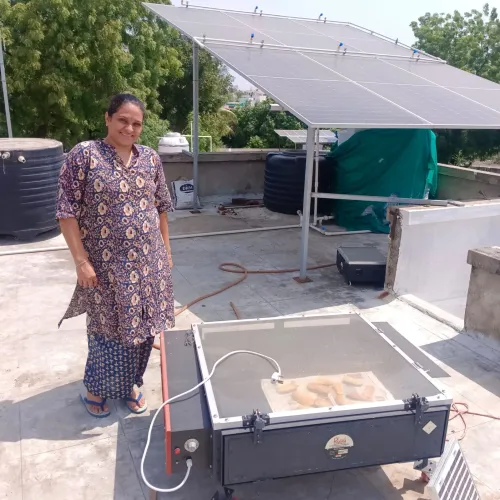
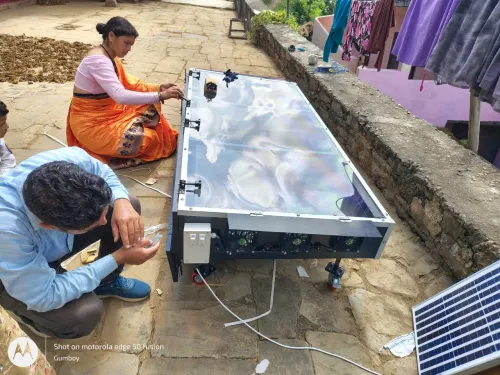
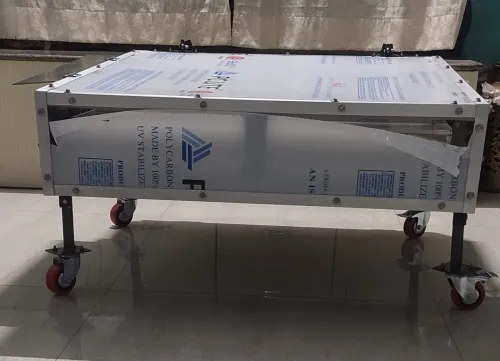
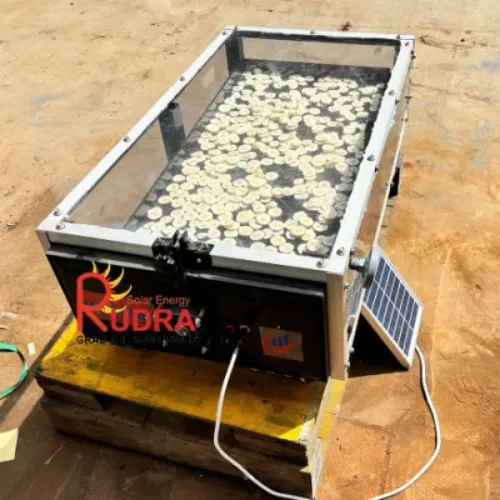
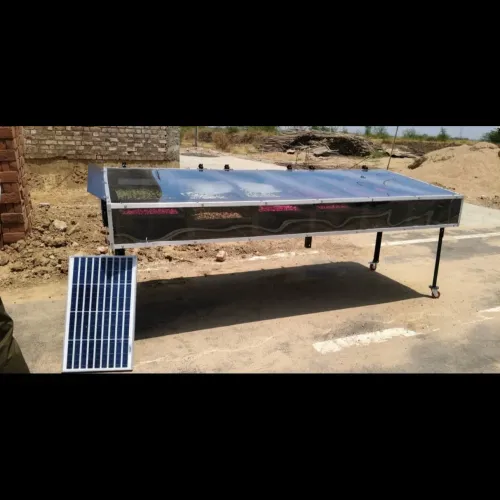
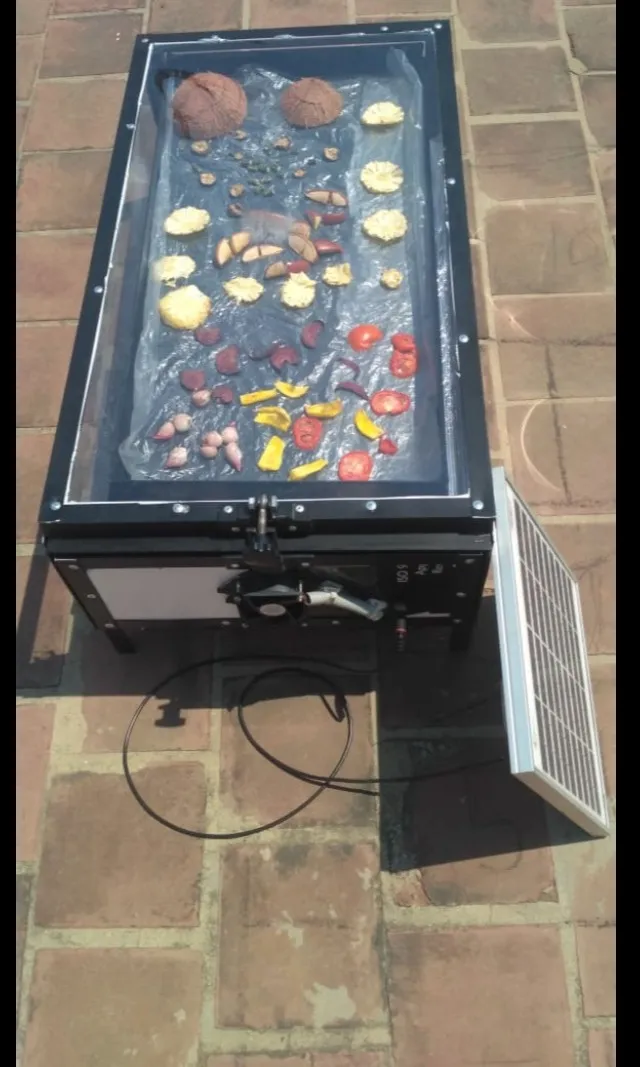
A Commercial Solar Dryer in Katihar, Bihar provides an enclosed and organised method for reducing moisture from suitable agricultural and food products. Prepared material is placed on trays inside a protected drying chamber, where solar heat and managed airflow help remove moisture while reducing direct exposure to external contamination.
Who Can Use a Solar Dryer in Katihar?
Commercial Solar Drying Solutions may be useful for:
- Individual farmers
- Farmer Producer Organizations
- Agricultural cooperatives
- Self Help Groups
- Maize and grain processors
- Banana-processing enterprises
- Makhana businesses
- Fruit and vegetable processors
- Agricultural MSMEs
- Food-processing industries
For FPOs and cooperatives, a shared drying facility can support several members through common sorting, preparation, drying, grading and packaging infrastructure.
Suitable Solar Drying Applications in Katihar
A properly selected Solar Dryer in Katihar may support applications involving:
- Maize and other grains
- Paddy and wheat requiring moisture reduction
- Pulses
- Banana slices
- Seasonal fruits and vegetables
- Chilli and suitable spices
- Garlic and onion slices
- Herbs and medicinal leaves
- Selected makhana-processing stages, where technically appropriate
For maize, wheat, paddy and pulses, the purpose is moisture reduction—not cooking or roasting. The loading depth, airflow, temperature and final moisture should be selected according to the intended storage or processing requirement.
Banana can be processed into dried slices, powder ingredients or other value-added products after proper washing, peeling, slicing and tray loading. Uniform slice thickness is important because thick and thin pieces dry at different rates.
Makhana processing requires multiple specialised stages. A solar dryer may assist only in technically suitable moisture-reduction stages; it should not be presented as replacing roasting, popping or the complete makhana-processing line.
Value-Added Product Opportunities
Commercial Solar Drying can support products such as:
- Moisture-reduced maize and grains
- Dehydrated banana slices
- Dried fruit ingredients
- Vegetable slices and flakes
- Garlic and onion flakes
- Dried chilli and spice ingredients
- Herbal raw materials
- Packaged agricultural ingredients
The dryer is only one part of the process. Cleaning, sorting, preparation, final moisture checking, cooling, packaging and storage remain essential.
Benefits of Commercial Solar Drying
A suitable system may offer:
- Cleaner enclosed drying
- Reduced exposure to dust and insects
- Better protection from sudden weather changes
- Organised tray-based handling
- Improved airflow around the product
- Easier batch monitoring
- Reduced dependence on open drying areas
- Better suitability for value-added processing
Actual performance depends on the product, initial moisture, loading pattern, sunlight, airflow and required final output.
Choosing the Right Solar Dryer Capacity
Before selecting a Commercial Solar Dryer for farmers in Katihar, buyers should identify:
- Main product
- Fresh quantity available per day
- Required batch capacity
- Initial and final moisture
- Product-preparation method
- Available installation area
- Processing season
- Expected dried output
- Packaging and storage plan
- Future expansion requirements
Rudra Solar Energy provides customised Commercial Solar Drying Solutions according to the customer’s product, daily quantity, drying objective and installation conditions.
For a suitable Commercial Solar Dryer in Katihar, Bihar, share your product name, fresh quantity per day, required final product and project location with Rudra Solar Energy. A properly planned system can support cleaner moisture reduction and stronger agricultural value addition across Katihar.
Keywords