Chandauli has a very different agricultural identity from many districts of Uttar Pradesh. Known for its strong paddy economy, the district has also developed a distinct market identity around Black Rice, which is officially recognised under Uttar Pradesh’s One District One Product programme. Chandauli’s black-rice initiative has additionally reached domestic and international markets, giving post-harvest cleanliness, moisture management and processing greater importance for local growers and farmer groups.
For farmers, FPOs, cooperatives and agri-processing enterprises searching for a commercial solar dryer in Chandauli, the opportunity is therefore not limited to generic food dehydration. Grain and speciality-rice processing require their own approach to moisture reduction, airflow, batch depth and storage preparation.
Chandauli Black Rice Needs Careful Post-Harvest Handling
Black Rice gives Chandauli a strong district-specific agricultural processing opportunity.
After harvesting and threshing, paddy may require moisture reduction before safe milling or storage, depending on its incoming moisture and the processor’s requirement.
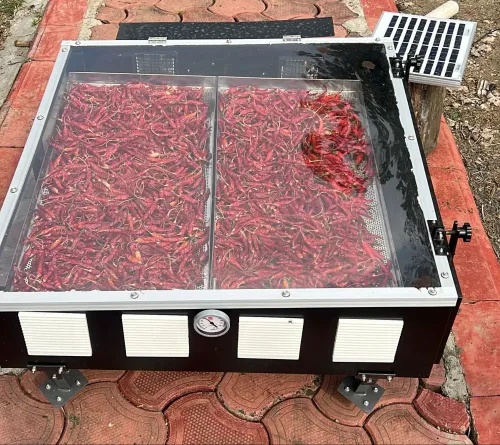
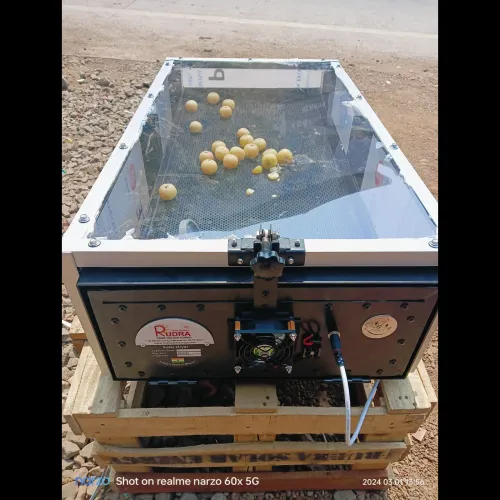
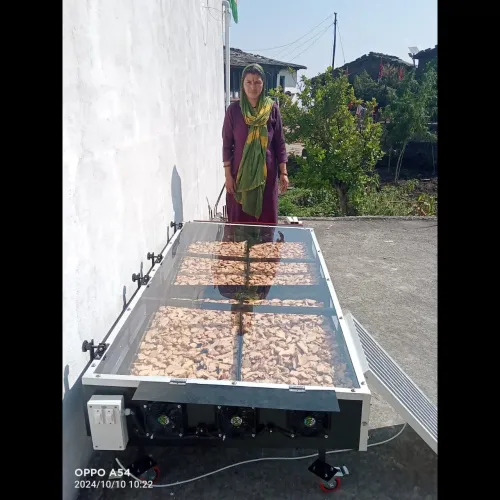
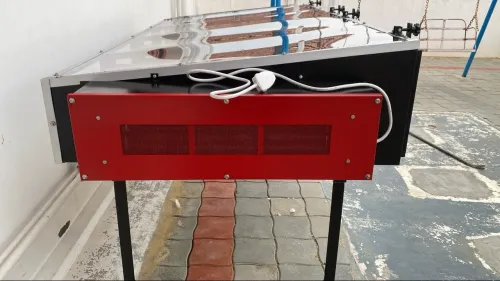
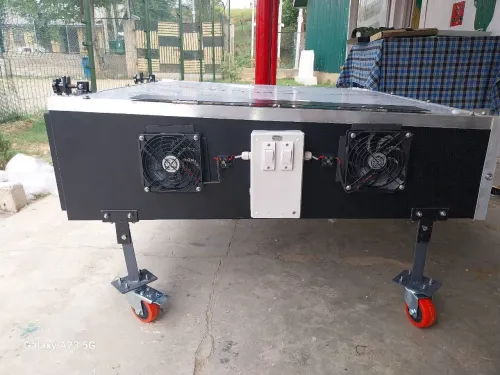
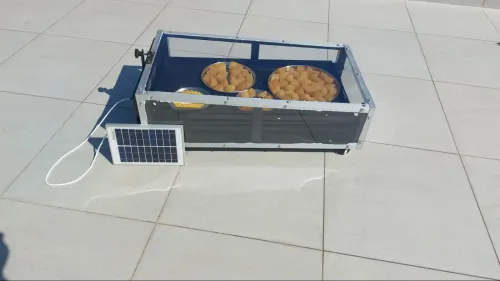
A solar dryer for black rice paddy can be evaluated as an enclosed drying option where controlled moisture reduction is required.
This is particularly relevant because past reporting on Chandauli’s black-rice programme documented farmers drying harvested paddy on rooftops or in open areas, with concerns about grit and impurities when targeting higher-value markets.
An enclosed solar drying arrangement can provide a more organised environment for handling appropriate batches while reducing direct exposure to uncontrolled outdoor contact.
Paddy Drying Is Different from Fruit or Vegetable Drying
Rice paddy should not be treated like sliced fruit, herbs or vegetables.
Its drying behaviour depends on factors such as:
Initial Grain Moisture
Paddy Variety
Batch Depth
Air Movement
Temperature
Relative Humidity
Solar Radiation
Required Storage or Milling Moisture
For grain applications, simply increasing heat is not the objective.
The aim is to remove the required amount of moisture while managing the crop according to its intended downstream use.
Adamchini Rice Adds Another High-Value Local Context
Chandauli also has a connection with Adamchini Chawal, a locally associated aromatic rice that received GI recognition in 2023. This strengthens the district’s broader identity around speciality rice rather than only conventional commodity paddy.
For FPOs and rice-processing enterprises working with premium varieties, post-harvest handling should be planned around:
Harvest Condition
Incoming Moisture
Drying Requirement
Batch Segregation
Milling Schedule
Storage Requirement
Buyer Specification
A solar dryer performs only the moisture-reduction stage. Threshing, dehusking, milling, polishing, grading and packaging remain separate operations.
Why Airflow and Batch Depth Matter in Grain Drying
Paddy is commonly handled in bulk, but deeper loading can change the way drying air moves through the material.
Moisture leaving the grain enters the surrounding air. That air needs an effective path away from the crop for further drying to continue.
Commercial processors should therefore consider the relationship between:
Grain Depth
Drying Area
Airflow
Batch Quantity
Incoming Moisture
Drying Temperature
Daily Throughput
The amount a chamber can physically hold is not automatically the same as its most appropriate operational load for every crop.
Commercial Solar Dryer for Chandauli FPOs and Rice Processors
A solar dryer in Chandauli can be evaluated for users such as:
Black Rice Growers
Paddy Farmers
FPOs and FPCs
Agricultural Cooperatives
Rice Processing Enterprises
Rural Agri Businesses
Food-Processing MSMEs
Common Processing Facilities
Speciality Grain Processors
The correct configuration should depend on actual crop quantity, moisture condition and processing schedule.
Multi-Crop Processing Beyond Paddy
Although rice gives Chandauli its strongest local identity, a suitably configured agricultural solar dryer may also support other technically compatible farm commodities in separate batches.
However, this should not mean using one universal drying condition.
Grain, spices, vegetables or other agricultural products can differ greatly in product structure, moisture content, loading behaviour and required endpoint.
Every commodity should therefore be assessed separately before processing.
Solar-Primary and Hybrid Drying Options
Where the business operates around a defined production schedule, processors may also evaluate a hybrid solar dryer with suitable backup according to the required configuration.
Backup requirements can depend on:
Season
Daily Processing Quantity
Local Weather
Required Turnaround
Crop Moisture
Business Schedule
Solar-primary drying may suit one operation, while another processor may require additional flexibility during lower-sunlight periods.
How to Select a Solar Dryer Machine in Chandauli
Before choosing a system, buyers should ideally provide:
Commodity: Black rice paddy, conventional paddy or another agricultural material
Fresh Quantity: Kilograms handled per batch or day
Incoming Moisture: Approximate moisture condition before drying
Required Endpoint: Storage, milling or further processing requirement
Daily Throughput: Expected commercial processing quantity
Season: Months of main operation
Current Method: Existing drying arrangement
Backup Need: Solar-only or additional support required
These details help determine the correct drying area, airflow arrangement and capacity.
Rudra Solar Energy for Agricultural Drying in Chandauli
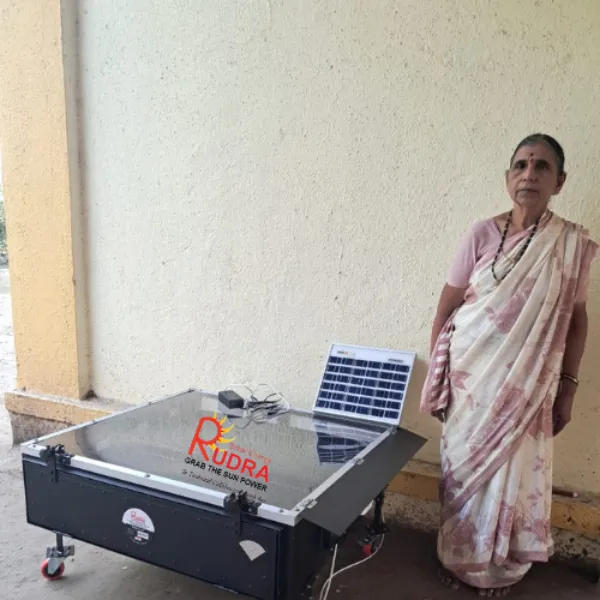
Rudra Solar Energy designs and manufactures solar dryer systems for agricultural and commercial processing applications.
For buyers looking for a commercial solar dryer in Chandauli, solar dryer machine in Chandauli, solar dryer for black rice, paddy solar dryer, grain solar dryer, agricultural solar dryer or hybrid solar dryer, system selection can be evaluated according to crop type, incoming moisture, batch quantity, airflow requirement and production schedule.
Share your commodity, fresh batch quantity, moisture condition and processing requirement with Rudra Solar Energy to discuss a suitable commercial solar drying configuration.
Keywords