
Seafood Processing Enterprise

Solar Fish Dryer for Seafood Processing | Rudra Solar Energy Project
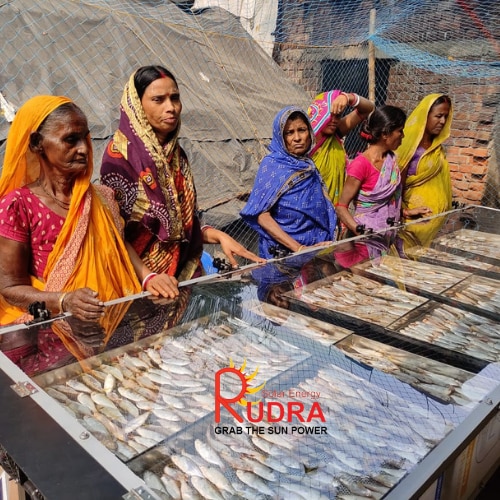
Solar Fish Dryer for Seafood Processing | Rudra Solar Energy Project — main image
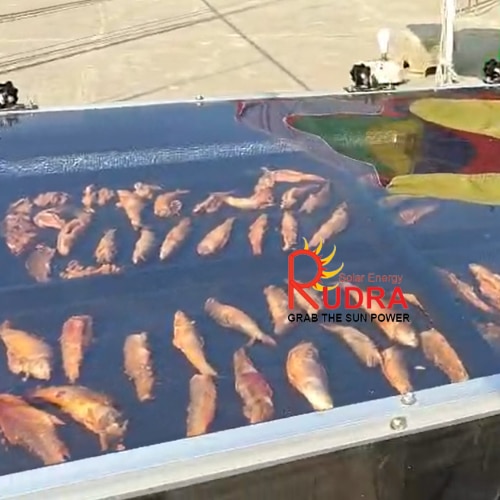
Solar Fish Dryer for Seafood Processing | Rudra Solar Energy Project — image 2
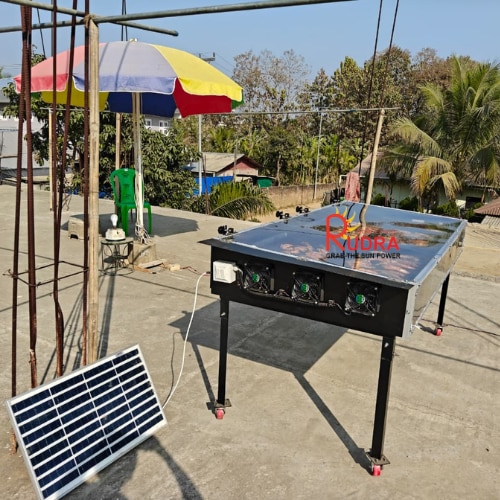
Solar Fish Dryer for Seafood Processing | Rudra Solar Energy Project — image 3
Customer:
Seafood Processing Enterprise
Project Category:
Seafood & Fish Processing Industry
Customer Requirement:
The client required a solar drying system for handling seafood batches in a more structured processing environment. The main challenge was managing the high moisture load of the raw material while maintaining sufficient airflow around the product. The client required: enclosed seafood drying adequate tray spreading area controlled air movement systematic batch loading reduced direct exposure to the open environment flexibility for suitable seafood products a configuration that could support the required processing quantity Because weather and humidity can affect solar drying performance, operating flexibility was also an important consideration. Hybrid fish-dryer designs with auxiliary heating are an established approach where continuity during unfavourable weather is required.
Project Result:
The completed project provided the client with dedicated solar drying infrastructure for seafood processing, allowing batches to be handled systematically inside an enclosed drying chamber. The installation supported better control over tray arrangement, airflow and the moisture-removal stage compared with directly spreading the product in an open area. The project also gave the processor a defined system that could be operated according to the specific characteristics of each batch instead of assuming identical drying conditions for every seafood product. Actual drying performance remains dependent on factors such as product preparation, thickness, initial moisture, loading quantity, airflow, humidity, available solar radiation and the required final moisture level. For Rudra Solar Energy, this project adds application evidence to its existing Solar Fish Dryer product offering and strengthens the company's seafood-drying content beyond a generic product description. Rudra's current product page already targets Solar Fish Dryer directly, while Raheja currently covers fish and seafood mainly within broader application/location content.
What we did:
Rudra Solar Energy evaluated the seafood-processing application based on moisture load, tray area, product arrangement and airflow requirement, rather than choosing equipment only by a generic kilogram capacity. The drying system was configured around an enclosed chamber and organised food-contact tray arrangement, with emphasis on moving moisture-laden air away from the product during drying. The project approach focused on: effective tray utilisation sufficient spacing around loaded seafood controlled/forced airflow organised loading and unloading enclosed drying conditions batch-wise moisture reduction system sizing according to processing volume operating guidance according to product and weather conditions Rudra's existing Solar Fish Dryer range lists multiple capacity options and food-grade material configurations, which supports application-specific system selection rather than a single fixed design.

Project Description

Seafood drying involves a high-moisture raw material and requires careful control of product loading, airflow and drying conditions. For this project, Rudra Solar Energy planned a solar fish dryer system for seafood processing where the client required a defined, enclosed drying setup instead of relying only on direct open-sun exposure. The project was approached from the perspective of moisture removal and batch management. Fish and other suitable seafood products can differ considerably in size, preparation, thickness and initial moisture, so drying performance cannot be based on one fixed time or temperature. An enclosed tray-based solar drying system helps create a more organised drying environment while reducing direct exposure to dust, insects and outdoor handling conditions. ICAR-CIFT also documents solar and hybrid dryers specifically for hygienic fish drying, including backup-assisted configurations for unfavourable weather conditions. The system configuration was therefore planned according to the seafood-processing requirement, tray spreading area, loading quantity, airflow requirement and expected operating conditions.