
Vegetable Processing & Value Addition Enterprise

Solar Dryer for Vegetables | Controlled Batch Dehydration Project
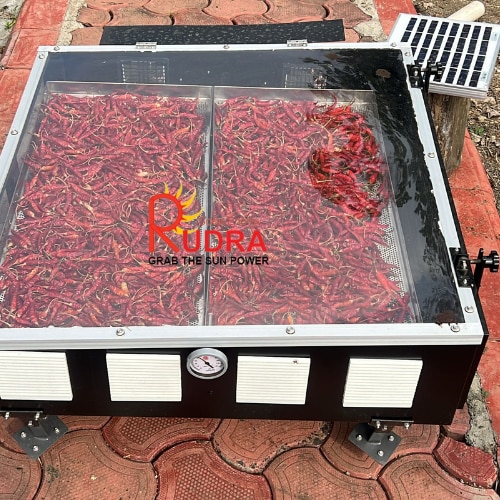
Solar Dryer for Vegetables | Controlled Batch Dehydration Project — main image
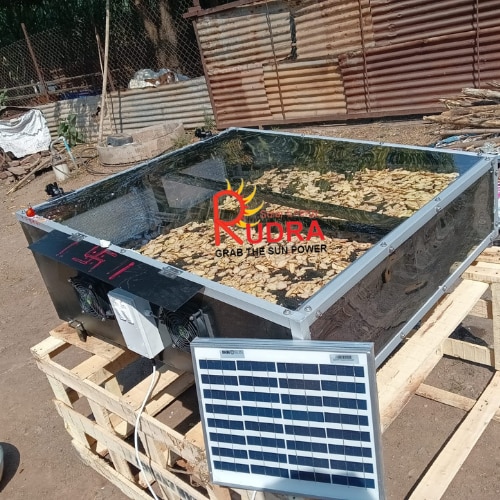
Solar Dryer for Vegetables | Controlled Batch Dehydration Project — image 2
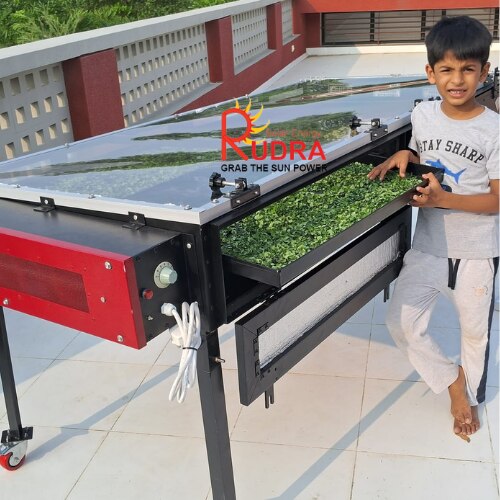
Solar Dryer for Vegetables | Controlled Batch Dehydration Project — image 3
Customer:
Vegetable Processing & Value Addition Enterprise
Project Category:
Vegetable Processing Industry
Customer Requirement:
The client needed a solar drying system that could accommodate different prepared vegetables across multiple production cycles. A major requirement was adequate usable tray space without excessive product layering. The client also required an enclosed drying arrangement with air circulation capable of moving moisture away from the product during drying. Because different vegetables can have very different physical characteristics, the system needed to support adjustments in tray loading and operating conditions instead of being limited to a single commodity. The client was therefore looking for a solution suitable for organised commercial vegetable processing, with capacity planning based on the actual quantity and moisture load of the batches.
Project Result:
The project provided the client with dedicated solar drying infrastructure for vegetable processing, allowing batches to be arranged systematically across trays inside an enclosed drying environment. The system supported better control over loading and airflow compared with directly spreading prepared vegetables in an open area. It also gave the processing operation greater flexibility to handle different suitable vegetables by adjusting preparation, loading and drying conditions according to the product. The project added to Rudra Solar Energy's application experience in solar dryers for vegetables and food-processing requirements, while maintaining the important distinction that drying is the moisture-removal stage; subsequent grinding, packaging, storage or other value-addition activities remain separate processes.
What we did:
Rudra Solar Energy assessed the vegetable-processing requirement from the perspective of tray utilisation, batch loading and airflow distribution. The drying system was configured to provide an enclosed chamber with organised food-contact trays and controlled/forced air circulation. Particular attention was given to: usable tray area for sliced or prepared vegetables adequate spacing for air movement avoiding excessive loading depth movement of moisture-laden air away from the product flexibility for different vegetable batches practical loading and unloading operating guidance based on commodity characteristics Depending on the selected configuration, relevant Rudra systems may use solar-powered DC fans to support forced airflow. Exact materials and construction specifications vary by model.

Project Description

Vegetable drying presents a different processing challenge from fruit drying because the raw material can vary widely in structure, thickness, water content and preparation method. Rudra Solar Energy developed this solar dryer for vegetables project for a processing operation that required an enclosed system capable of handling prepared vegetable batches with organised tray loading and effective air movement. Rather than designing the project around a single fixed drying condition, the system was planned for flexible vegetable processing. Products may require sorting, washing, peeling, cutting, slicing or other preparation before they enter the dryer; these remain separate processing stages. Inside the solar drying system, the focus is on moisture removal through suitable heat and airflow, while keeping the material inside a defined drying chamber instead of directly exposing trays to the outdoor environment. Vegetable drying performance varies according to product type, initial moisture, cut size, loading density, temperature, airflow, humidity, available solar radiation and the required final moisture level. For this reason, operating conditions need to be adjusted according to the vegetable being processed rather than using one universal drying schedule.