
Organic Farm Produce Processing Enterprise
Solar Dryer for Organic Farm Produce | Commercial Processing Project
- Customer:
- Organic Farm Produce Processing Enterprise
- Project Category:
- Organic Agriculture & Food Processing Industry
- Customer Requirement:
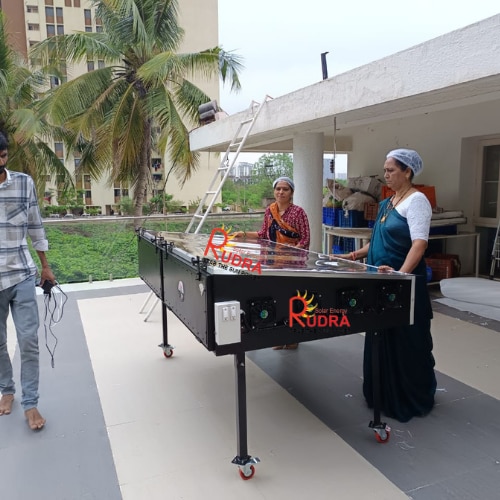
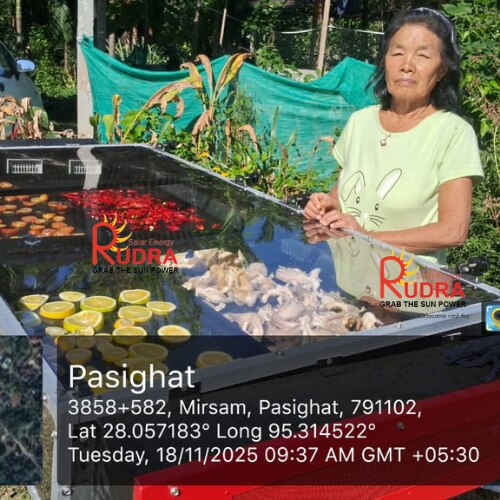
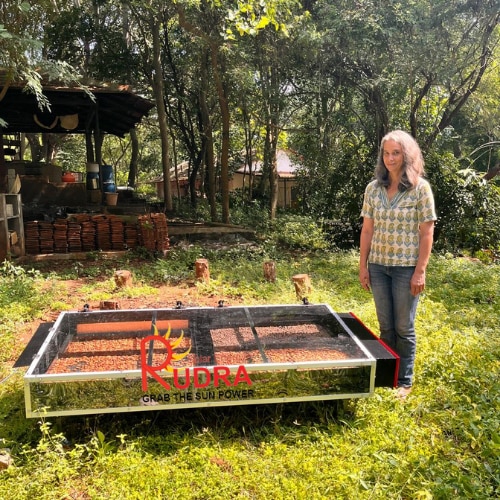
- The client aggregated suitable farm produce from organic and sustainability-focused agricultural operations and required one processing system capable of supporting different commodities in separate batches. The main requirement was not simply higher dryer capacity. The processor needed a system that could support: Clean batch handling Separation between different commodities Organised tray loading Adequate drying surface Controlled or forced airflow according to configuration Temperature monitoring Moisture assessment Easy product changeover Cleaning between batches Small and larger seasonal processing quantities Optional backup flexibility where required Because the facility handled multiple types of agricultural produce, the client also needed an operating approach that could change whenever the commodity changed. Fresh fruit, sliced vegetables, lightweight herbs, spices and grain-type materials should not automatically use the same loading depth, temperature or drying duration.
- Project Result:
- The project established a dedicated solar drying stage for organic farm produce, allowing the processing enterprise to organise different suitable agricultural commodities through separate batches. Instead of treating all products identically, the processing team could follow: Farm Produce → Product Identification → Preparation → Batch Segregation → Loading → Airflow → Moisture Endpoint → Cooling → Further Processing The project gave the enterprise greater flexibility to work with different seasonal commodities while maintaining a more organised production workflow. It also created a clearer distinction between: organic certification and solar drying technology. The dryer supported moisture reduction from technically suitable produce, while the certification status of the final product remained dependent on the farm, processor and applicable organic-certification requirements. The project is relevant to: Organic farms Organic food-processing businesses FPOs and FPCs Agricultural cooperatives SHGs Farm-to-market enterprises Organic food brands Food-processing MSMEs Rural processing centres Sustainable agriculture projects Post-harvest value-addition facilities Multi-product agricultural processors Equipment Selection for Organic Farm Produce Before choosing a solar drying system, a processor should establish: What farm produce will normally be processed? How many kilograms arrive per batch or per day? How will each commodity be prepared? How much tray surface will be required? How frequently will products change? What cleaning and batch-segregation procedures are required? What moisture condition is needed after drying? Is solar-primary operation sufficient? Is optional backup needed? These questions help match the equipment with the actual processing operation instead of relying only on nominal capacity.
- What we did:
- The project was organised around multi-product farm processing with clear batch segregation. Each incoming commodity was first identified according to its product category, physical form, quantity and incoming moisture condition. The processing sequence was structured as: Incoming Farm Produce → Product Identification → Required Preparation → Batch Segregation → Moisture Assessment → Controlled Loading → Solar-Assisted Moisture Reduction → Endpoint Assessment → Cooling → Further Processing or Storage A key objective was to avoid mixing different product batches unnecessarily. For businesses processing certified organic produce, traceability and compliant handling need to remain part of the wider certification and processing system; NPOP includes standards and procedures for organic production, inspection and certification. The drying operation itself was therefore planned to support an organised workflow rather than make certification claims about the final product. Loading Was Planned According to Product Structure Different farm products occupy the drying area differently. High-moisture prepared fruits may require substantial tray surface. Sliced vegetables can require another loading pattern. Lightweight herbs may occupy considerable volume at relatively low weight. Spices and grain-type materials can form denser product layers. For this reason, useful dryer capacity was evaluated through: Batch Quantity + Usable Drying Area + Product Form + Loading Depth + Airflow Requirement rather than only the maximum kilograms that could physically fit inside the chamber. This approach allowed the processor to make different loading decisions for different types of organic farm produce. Airflow Was Integrated with Solar-Assisted Heating Moisture reduction requires more than heating the drying chamber. As moisture leaves the loaded material, it enters the surrounding drying air. That moisture-laden air needs to move away from the product so additional moisture removal can continue. The system approach therefore considered: Air inlet Airflow path Tray arrangement Product loading Layer depth Temperature Ambient humidity Removal of moisture-laden air Fan-assisted airflow where included in the selected configuration The objective was to match air movement with the actual product rather than simply operate at the highest available temperature. Separate Products Required Separate Operating Decisions The system was designed for multi-product use, but multi-product capability did not mean one universal drying programme. Whenever the commodity changed, the operating team was required to reassess: Product preparation Initial moisture Piece or slice thickness Tray utilisation Loading density Airflow Suitable temperature Ambient conditions Required final moisture Cleaning and changeover requirements This was particularly important because an organic farm-produce processing centre may work with several seasonal products during the year. Clean Changeover Between Product Batches For a multi-product processing facility, changeover was treated as part of the operating workflow. After completing one suitable commodity batch, trays and relevant food-contact surfaces could be cleaned according to the facility’s processing procedures before another product was loaded. The objective was to support: Product identification Batch segregation Clean handling Reduced unnecessary mixing between different materials More organised production records Clearer movement from raw produce to dried product Where certified organic status is claimed commercially, the processor must continue to follow the applicable certification and handling requirements; solar drying equipment itself does not grant organic certification. APEDA’s NPOP system specifically provides standards and accredited certification mechanisms for organic operators. Solar Food Dehydrator for Organic Farm Produce Buyers looking for equipment for farm-produce dehydration may search using different terms, including: Solar dryer Solar food dehydrator Solar food dryer Solar dehydrator Solar dryer for agricultural products Commercial solar dryer Agricultural solar dryer Although the terminology varies, equipment selection should begin with the actual commodity and production requirement. A solar food dehydrator used primarily for prepared fruit can require a different tray-utilisation strategy from a system handling herbs, spices or grain-type agricultural produce. The processing workflow should determine the dryer configuration. Solar Dryer for Agricultural Products Organic farm produce can include multiple agricultural-product categories. Depending on the processor’s certified scope, product availability and technical suitability, separate drying batches may include: Fruits Vegetables Herbs Spices Grains Pulses Selected seeds Other compatible agricultural produce This makes a solar dryer for agricultural products particularly relevant where FPOs, farms or processing businesses require one system across different harvest seasons. However, the dryer should only be used where moisture reduction is technically appropriate for the actual product. Commercial Solar Dryer for Organic Processing Businesses The processing requirement of a small farm can be very different from that of an FPO or commercial food-processing enterprise. A smaller processor may require limited tray area for seasonal batches. An aggregation centre may receive produce from multiple growers and require larger batch capacity. A commercial enterprise may need regular production with multiple commodity changeovers. Equipment selection should therefore consider: Normal daily quantity Peak-season quantity Commodity mix Prepared-product volume Usable tray area Required number of batches Production schedule Airflow requirement Installation area Optional backup requirement This gives a more practical basis for selecting a commercial solar dryer than simply choosing the largest available system. Solar-Primary and Hybrid Solar Dryer Options Solar radiation and ambient weather conditions influence the drying process. Where the production schedule is flexible, solar-primary operation may suit the processing requirement. Where a commercial facility needs additional operating flexibility, an appropriate hybrid solar dryer or backup-assisted configuration can be evaluated. The decision should depend on: Product type Batch volume Location Operating season Production frequency Weather conditions Required drying window Backup heating should be selected because the actual processing requirement needs it, not simply because it is available.
Project Description
An organic farm-produce processing enterprise required a solar dryer for organic farm produce to create an organised moisture-reduction stage for suitable agricultural products handled across different seasons. The client worked with multiple categories of farm produce instead of a single commodity. This meant the drying system needed to accommodate variations in moisture content, product structure, preparation, loading density and tray-space requirement while keeping different product batches clearly separated. The project was developed around a commercial solar dryer configuration for suitable organic farm produce, with particular emphasis on clean batch handling, controlled loading, organised airflow, product segregation and moisture assessment. Depending on seasonal availability and the client’s processing programme, suitable batches could include fruits, vegetables, herbs, spices, grains and other compatible farm produce. The solar dryer performed the moisture-reduction stage only. Washing, sorting, cutting, blanching or other pretreatment where required, grinding, milling, packaging, storage and certification remained separate operations. Importantly, using a solar dryer does not automatically make a product “organic.” In India, organic production, processing and certification are governed through systems such as the National Programme for Organic Production (NPOP) and accredited certification bodies.