
Integrated Oilseed Processing Enterprise

Solar Dryer for Oil Seeds | Mustard, Sesame & Groundnut Processing
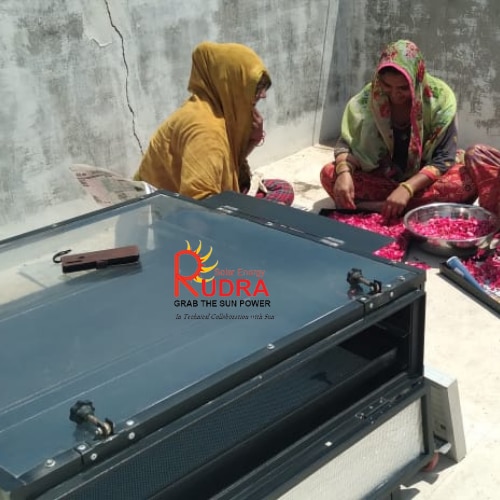
Solar Dryer for Oil Seeds | Mustard, Sesame & Groundnut Processing — main image

Solar Dryer for Oil Seeds | Mustard, Sesame & Groundnut Processing — image 2
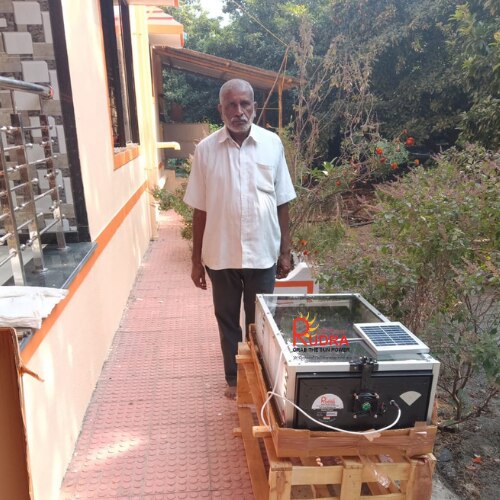
Solar Dryer for Oil Seeds | Mustard, Sesame & Groundnut Processing — image 3
Customer:
Integrated Oilseed Processing Enterprise
Project Category:
Oilseed & Agricultural Processing Industry
Customer Requirement:
The client handled seasonal oilseed procurement and required a commercial solar dryer capable of supporting different suitable oilseed batches within one organised processing facility. The main commodities included: Mustard Sesame / Til Groundnut / Peanut Other compatible oilseed materials The client required flexibility because mustard, sesame and groundnut differ in physical size, loading behaviour and processing requirements. The system therefore needed to support: Separate commodity batches Controlled product-bed depth Adequate drying area Organised airflow Temperature monitoring Moisture assessment Batch changeover Solar-primary operation with optional backup where required The objective was not simply to fit the maximum number of kilograms inside the dryer. The client needed the loading arrangement to support effective air movement through or around the oilseed batch.
Project Result:
The project created a dedicated solar dryer for oilseed processing, giving the enterprise a more organised method for handling different mustard, sesame and groundnut batches. The processing team could evaluate each batch according to: Commodity → Incoming Moisture → Batch Quantity → Loading Depth → Airflow → Moisture Endpoint → Storage or Further Processing This provided greater flexibility for seasonal oilseed processing while maintaining separate operating decisions for different commodities. The project also demonstrated that a commercial solar drying system should not be selected only according to nominal kilogram capacity. For oilseed processing, buyers should also consider: Usable drying area Product-bed depth Airflow arrangement Incoming moisture Normal daily throughput Number of required batches Storage requirement Further processing workflow This type of solar drying machine for agricultural products can be relevant to oilseed processors, FPOs, agricultural cooperatives, groundnut-processing units, mustard processors, sesame processors, agro-processing MSMEs and post-harvest infrastructure projects.
What we did:
The solar dryer configuration was planned around the client’s normal oilseed-processing workflow. Before loading, each incoming batch was identified according to commodity type, quantity and moisture condition. Mustard and sesame were treated as small-seed materials where excessive loading depth could affect air movement through the product bed. Groundnut required a different loading approach because its larger physical structure and bulk characteristics differ from smaller oilseeds. Instead of using one universal drying schedule, the operating approach considered: Oilseed type Incoming moisture Batch quantity Usable drying area Product-bed depth Airflow Operating temperature Ambient conditions Required final moisture Downstream processing requirement The processing sequence was organised as: Incoming Oilseed Batch → Required Cleaning / Preparation → Moisture Assessment → Controlled Loading → Solar-Assisted Moisture Reduction → Moisture Reassessment → Cooling → Storage or Further Processing During drying, moisture released from the product enters the surrounding air. That moisture-laden air needs to move away from the loaded material, making airflow an important part of the process alongside solar-assisted heating. The project therefore focused on the relationship between product loading, drying area, airflow and moisture condition, rather than relying only on maximum chamber temperature. No single drying time or temperature was prescribed for mustard, sesame and groundnut because actual requirements vary with the commodity, initial moisture, loading and environmental conditions.

Project Description

An agro-processing enterprise required a solar dryer for oil seeds to manage moisture in suitable mustard, sesame, groundnut and other agricultural batches before storage or further processing. Oilseeds behave differently from fruits, vegetables and leafy products. Their seed size, bulk density, incoming moisture, loading depth and intended downstream use can influence how the drying system should be operated. The project was therefore developed as a commodity-focused solar dryer for agricultural products, with particular attention to controlled batch loading, usable drying area, airflow and moisture assessment. The system was planned for separate batches of suitable materials including mustard, sesame and groundnut rather than applying one fixed operating condition to every oilseed. Solar drying formed the moisture-reduction stage within the wider processing workflow. Cleaning, grading, dehulling, oil extraction, pressing, seed treatment, packaging and storage remained separate processes.