
Integrated Horticulture Processing Enterprise
Solar Dryer for Fruits & Vegetables | Horticultural Crop Processing Project
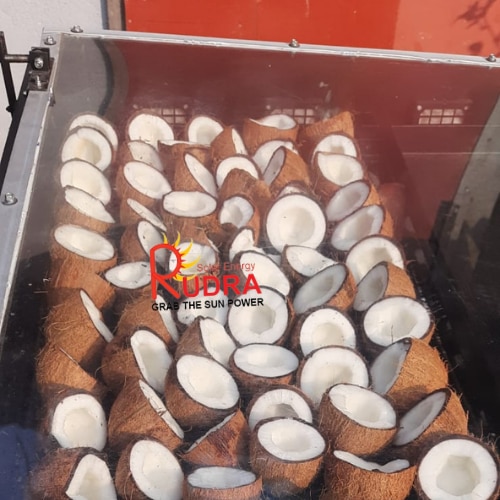
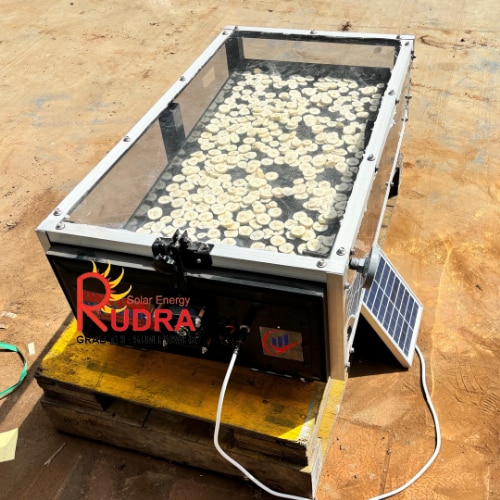
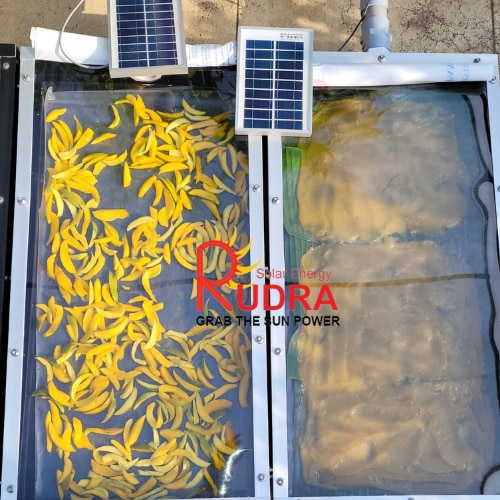
- Customer:
- Integrated Horticulture Processing Enterprise
- Project Category:
- Horticulture & Food Processing Industry
- Customer Requirement:
- The client handled horticultural produce from different growers and required one processing system that could support multiple compatible commodities across changing harvest seasons. Typical product categories included: Mango and other suitable fruits Banana Tomato Onion Carrot Leafy vegetables Chilli Ginger Turmeric Selected herbs Other compatible horticultural produce The main challenge was that these materials could not be evaluated only according to kilograms per batch. Prepared fruit can require substantial tray surface. Sliced vegetables may need different spacing. Spices can form a different product layer. Lightweight herbs may occupy considerable tray volume even at relatively low weight. The client therefore required a solar food dehydrator configuration that could support: Separate commodity batches Flexible tray utilisation Controlled product loading Organised airflow Temperature monitoring Easy batch changeover Different processing scales during peak and off-season periods Optional backup flexibility where required The equipment also needed to support commercial production without assuming one universal drying temperature or drying time for every crop.
- Project Result:
- The project established a dedicated horticultural processing stage capable of supporting multiple suitable commodities across different harvest periods. Instead of organising production only according to machine capacity, the enterprise could plan each batch through: Commodity → Preparation → Fresh Quantity → Required Tray Area → Loading Pattern → Airflow → Moisture Endpoint → Next Processing Stage This approach improved the practicality of using one commercial drying system across several horticultural applications. The facility could organise separate batches of fruits, vegetables, spices and herbs while adjusting product preparation and loading according to each commodity. The project also created a clearer framework for capacity planning. For a multi-crop horticultural processor, suitable system selection should consider: Normal fresh quantity per day Peak-season crop volumes Usable drying area Number of trays Product dimensions Required number of batches Airflow arrangement Solar availability Need for optional backup Downstream processing schedule This makes the project relevant to: Horticultural processing businesses Fruit and vegetable processors FPOs and FPCs Agricultural cooperatives SHGs Food-processing MSMEs Fruit and vegetable dehydration units Spice-processing enterprises Rural value-addition centres Post-harvest infrastructure projects Commercial food-processing businesses Why Multi-Crop Horticulture Needs Flexible Processing A horticultural processing centre can receive very different materials throughout the year. Mango and banana are high-moisture fruits. Tomato also contains substantial moisture but has a different physical structure. Onion, carrot and other prepared vegetables require different tray arrangements. Chilli, ginger and turmeric create different spice-processing requirements. Herbs can be lightweight and occupy significant tray volume. This means the useful commercial question is not simply: “How many kilograms can the solar dryer hold?” A better assessment is: “What products will be processed, how much tray surface will they require, and how should airflow be managed for each batch?” Commercial solar dryers used for horticultural applications are commonly positioned for fruits, vegetables, spices, herbs and other agricultural produce, reinforcing the importance of multi-commodity flexibility in this buyer segment. Solar Dryer for Fruits and Vegetables For businesses processing primarily fruits and vegetables, the system can support suitable separate batches of prepared produce. Possible applications include: Mango Banana Apple Pineapple Papaya Tomato Onion Carrot Beetroot Potato Leafy vegetables Other suitable horticultural crops Different commodities should be operated according to appropriate preparation, loading, airflow and moisture requirements. A solar dryer for fruits and vegetables performs moisture reduction; it does not automatically perform washing, cutting, blanching, grinding or packaging. Commercial Solar Food Dehydrator for FPOs FPOs and cooperatives can have particularly diverse requirements because aggregated produce may change throughout the agricultural calendar. A suitable solar food dehydrator can provide one common processing platform while allowing different commodities to be handled as separate batches. For these organisations, capacity planning should account for: Number of contributing farmers Peak harvest quantity Normal batch size Commodity mix Preparation capacity Available tray area Expected number of batches Operating season This is more useful than selecting equipment solely because it has the highest advertised kilogram capacity. Solar-Primary and Hybrid Processing Options Available solar radiation and weather conditions can influence solar-drying performance. Where production schedules are flexible, solar-primary processing may suit the application. Where a commercial horticultural enterprise requires greater operating flexibility, a suitable hybrid solar dryer or optional backup arrangement can be evaluated. The appropriate configuration depends on: Commodity Daily volume Processing season Location Required production schedule Weather conditions Acceptable drying window No single configuration should automatically be prescribed for every horticultural enterprise.
- What we did:
- The project was structured around multi-crop horticultural processing rather than one generic drying programme. Each incoming commodity was first classified according to its physical form and expected processing requirement. For fruits, the operating approach prioritised preparation consistency, slice thickness and available tray surface. For vegetables, product thickness, loading density and airflow across the trays became important. Spices required separate consideration because chilli, ginger and turmeric differ significantly in structure and moisture behaviour. Lightweight herbs required careful tray loading so the material could be distributed without unnecessary compression. The processing approach followed: Incoming Horticultural Produce → Commodity Identification → Required Preparation → Batch Planning → Controlled Tray Loading → Solar-Assisted Moisture Reduction → Moisture Assessment → Cooling → Further Processing or Storage A key part of the project was matching usable drying area with the product, rather than judging system suitability only from nominal kilogram capacity. For example, the same batch weight of sliced fruit and leafy vegetables may require very different tray utilisation. Airflow was also treated as a core processing factor. As moisture leaves horticultural produce, it enters the surrounding drying air. That moisture-laden air needs to move away from the loaded product so additional moisture reduction can continue. Solar-dryer systems therefore need both appropriate thermal input and ventilation or air movement. The client’s operating team was guided to reassess the following whenever the commodity changed: Product type Initial moisture condition Preparation Piece or slice thickness Tray loading Layer depth Airflow requirement Temperature Ambient humidity Required final moisture The system was therefore used as a flexible solar dryer for agricultural products, while each crop retained its own operating decisions. Multi-product capability was not treated as permission to use one fixed process for fruits, vegetables, spices and herbs.
Project Description
A horticultural processing enterprise required a solar dryer for fruits and vegetables to handle different seasonal crops within one organised post-harvest processing facility. The client worked with a changing mix of fruits, vegetables, spices and selected herbs rather than one commodity throughout the year. This created a different equipment requirement from a single-product processing unit. Fresh fruits and vegetables can vary substantially in moisture content, physical structure, preparation method and tray-space requirement. A fruit slice, prepared vegetable, spice material and lightweight herb should therefore not automatically be processed with identical loading or operating conditions. The project was developed around a flexible commercial solar dryer setup capable of supporting separate horticultural batches while allowing the operating approach to change according to the commodity. The system was planned as the moisture-reduction stage within a broader horticultural processing workflow. Sorting, washing, peeling, cutting, blanching or other pretreatment where required, grinding, packaging and storage remained separate operations.