
Forest Produce Value Addition Cooperative
Solar Dryer for Forest Produce | MFP Value-Addition Facility
- Customer:
- Forest Produce Value Addition Cooperative
- Project Category:
- Minor Forest Produce & Rural Processing Industry
- Customer Requirement:
- The processing centre collected suitable forest produce from multiple local suppliers and required a commercial solar dryer that could become a regular part of its value-addition facility. Unlike a conventional farm operation receiving one crop in a predictable harvest window, the client could receive different forest-based materials during different collection seasons. The dryer therefore needed to support variation in: Product type Incoming condition Moisture content Batch quantity Physical size Bulk density Tray-area requirement Product-bed depth Airflow requirement Drying schedule The client needed: Enclosed processing Flexible commercial batch capacity Organised loading Food-contact surfaces for applicable food products Controlled or forced airflow according to configuration Temperature monitoring Separate batch handling Easy product changeover Solar-primary operation Optional electric or biomass backup where required Compatibility with a multi-product processing centre A major requirement was also equipment utilisation across the collection calendar. The client did not want a dryer that could only process one forest commodity for a short period of the year.
- Project Result:
- The project established a dedicated Solar Dryer for Forest Produce within the client’s MFP value-addition facility. Instead of tying the equipment to one individual forest commodity, the processor could organise suitable batches according to the seasonal collection calendar. The operational model became: Collection → Product Identification → Suitability Check → Required Preparation → Batch Planning → Solar Dryer → Moisture Assessment → Cooling → Storage / Further Processing The client gained a clearer system for separating very different dryer requirements: Mahua flowers → tray-area-led planning Tamarind → product-form-led planning Forest seeds → loading-depth and airflow-led planning The project also established an important boundary: MFP does not automatically mean dryer application. Only technically suitable materials requiring moisture reduction were assigned to the solar dryer. That helped the facility use one commercial dryer platform more intelligently across different forest-produce seasons while maintaining product-specific operating decisions. For future expansion, the client could evaluate capacity using: Peak MFP collection quantity Commodity mix Usable drying area Product-bed depth Airflow requirement Number of batches per day Operating season Required processing window Optional backup requirement This made the solar dryer a flexible processing asset for forest-produce value addition rather than a one-product seasonal machine.
- What we did:
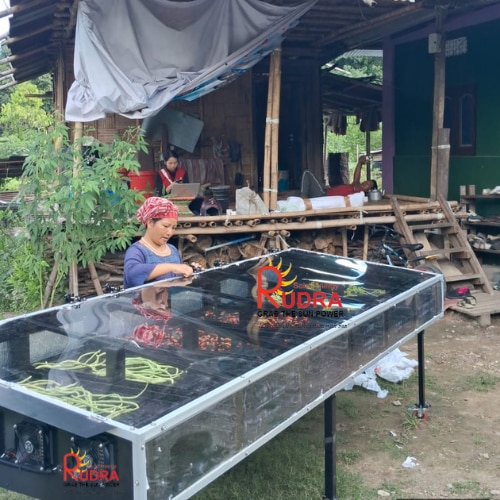
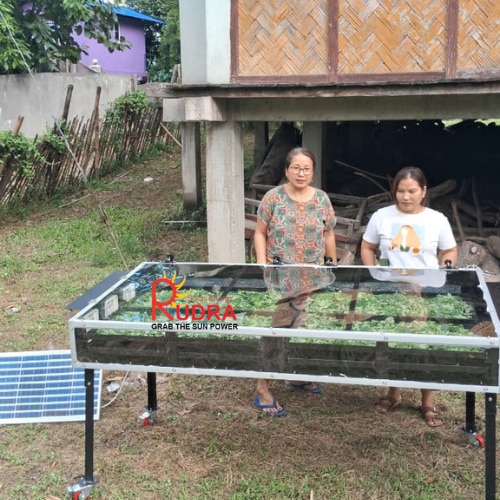
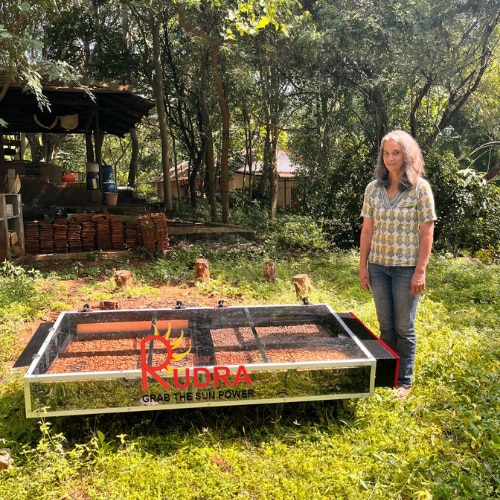
- Built the Solar Dryer Around MFP Diversity The project started by separating forest produce according to how the material would physically behave inside the dryer. Instead of creating one fixed operating programme, the system planning used: Forest Produce → Incoming Form → Batch Quantity → Drying Area / Bed Depth → Airflow → Operating Requirement → Moisture Endpoint This gave the processing centre one commercial dryer platform while allowing different suitable MFP batches to be handled individually. Mahua Flowers Created a Tray-Area Application Mahua is one of the economically important Minor Forest Produces identified by TRIFED, and mahua flowers are widely associated with forest-based collection and value addition. For a suitable mahua flower dryer application, the client needed to think beyond kilograms. Flowers can occupy significant drying surface depending on their incoming condition and loading depth. The system planning therefore considered: Incoming flower quantity Fresh or partially dried condition Tray surface Layer thickness Air movement Temperature Ambient humidity Required final moisture condition The important capacity relationship was: Mahua Quantity + Tray Area + Layer Depth + Airflow rather than simply: Maximum kilograms inside the chamber This allowed the operator to avoid unnecessarily deep loading where it could restrict air exposure. Tamarind Required Product-Form Decisions Before Loading Tamarind is also included in official MFP programmes and processing initiatives. For the client, a solar dryer for tamarind could only be evaluated after defining the actual product form entering the machine. That meant checking: Incoming tamarind condition Whether preparation was required Quantity per batch Product thickness or loading form Usable drying area Airflow Required final condition Downstream processing The dryer was responsible for moisture reduction only. Sorting, shell removal, deseeding, pulp preparation, block making, packaging or other processing remained separate operations where applicable. Forest Seeds Needed a Bulk-Material Approach Selected forest seeds create another drying behaviour entirely. Official MFP lists include sal seed and mahua seed, and Ministry of Tribal Affairs documentation specifically describes sal seed quality in terms that include dried ripe seed. Seed-type forest produce can form a denser layer than flowers. For these batches, the client needed to consider: Incoming seed moisture Batch quantity Bulk density Product-bed depth Airflow Drying area Required storage condition Downstream processing This meant practical capacity could be represented as: Seed Quantity + Bed Depth + Airflow + Required Throughput A tray loading pattern suitable for mahua flowers would therefore not automatically be appropriate for sal seed or another dense forest seed. One Solar Dryer, Three Different Loading Behaviours This project created a useful commercial distinction. For lightweight forest flowers: Tray Area becomes critical For tamarind or prepared forest fruits: Product Form + Surface Area become critical For seeds: Product-Bed Depth + Airflow become critical The same solar dryer platform could support different technically suitable materials, but the operating logic needed to change with the commodity. This made the project a true forest produce processing system, rather than a generic agricultural dryer with a forest-product label added to it. Not Every Minor Forest Produce Should Go into a Solar Dryer This was one of the most important equipment-selection rules in the project. Official Minor Forest Produce programmes include a much broader range of products than materials that require tray or chamber drying. Government lists include products such as wild honey, lac, gums and other forest materials alongside tamarind and seeds. That does not mean every listed MFP should be placed in a solar dryer. For example: Honey requires its own food-processing and moisture-management system. Lac is a resin-related forest product with a different processing chain. Gums and resins can require specialised handling. Some forest materials may already arrive in a condition where further drying is unnecessary. For this reason, the project applied a suitability check before assigning any MFP to the dryer. This protects the technical credibility of the equipment and helps the client use it only where moisture reduction is actually required. Forest Produce Aggregation Changed Capacity Planning The client did not operate like an individual farmer processing only their own harvest. Material could arrive from multiple collectors and locations. That meant dryer capacity needed to account for: Normal collection quantity Peak collection days Material arriving from several sources Sorting time Preparation time Number of dryer batches Available loading area Processing backlog Required turnaround Storage before and after drying The system therefore needed to match daily processing flow, not merely one isolated batch. For a forest-produce cooperative or rural processing centre, this difference can determine whether a solar dryer becomes a useful commercial asset or a bottleneck. Enclosed Dryer for Forest-Based Processing Open-ground drying can leave collected produce directly exposed to surrounding environmental conditions. The enclosed solar dryer gave the processing centre a more organised equipment stage for suitable forest products. Depending on the selected configuration, the system can incorporate: Enclosed drying chamber Food-contact trays where applicable Solar-assisted heating Organised or forced airflow Moisture-laden air removal Temperature monitoring Optional backup heating The enclosed system can help reduce direct exposure to dust and insects compared with completely open drying. It does not automatically guarantee food safety, product grade, shelf life or market price. Those outcomes still depend on raw-material quality, preparation, dryer operation, moisture endpoint, cooling, storage, packaging and the wider processing system. Airflow Connected Very Different Forest Products Mahua flowers, tamarind and forest seeds can look completely different inside the dryer, but the moisture-removal principle still requires movement of humid air away from the material. As moisture leaves the product, it enters the drying air. That air then needs to move away so additional moisture can continue leaving the loaded material. The project therefore considered the interaction between: Solar Heat + Product Condition + Loading + Airflow + Humidity + Moisture Endpoint rather than simply operating the machine at the highest available temperature. Depending on configuration, controlled or forced airflow helped support organised air movement through the drying chamber. Solar Dryer for Minor Forest Produce Businesses and organisations may search for this equipment using several terms: Solar dryer for forest produce Solar dryer for minor forest produce Solar dryer Commercial solar dryer Solar food dehydrator Solar dehydrator Solar dryer for agricultural products Forest produce drying machine MFP processing equipment These terms can represent related buyer intent, but the actual dryer configuration still depends on what material will be processed. A cooperative working mainly with mahua flowers may require substantial tray area. A centre processing seeds may prioritise another loading and airflow arrangement. An enterprise receiving several MFP categories throughout the year may need a more flexible commercial configuration. Designed for Forest-Based Rural Enterprises The project is relevant to organisations such as: Forest produce cooperatives Minor Forest Produce processing centres Van Dhan-linked processing groups Tribal producer groups SHGs FPOs and FPCs where applicable Forest produce collectors’ organisations Rural food-processing enterprises Medicinal and forest-plant processors NGOs running livelihood-processing projects Government-supported value-addition centres Commercial forest-produce businesses TRIFED’s Van Dhan and TRIFOOD programmes similarly focus on organised value addition to Minor Forest Produce and local processing of forest-based commodities. Solar-Primary and Hybrid Processing Options Forest-produce collection can be seasonal and can coincide with changing weather conditions. The project therefore used solar energy as the primary drying source while allowing an appropriate hybrid solar dryer or backup-assisted configuration to be evaluated where the client’s production schedule required additional flexibility. The decision depended on: Main forest produce Collection season Daily quantity Processing backlog Local weather Required batch turnaround Available solar conditions Production schedule Optional backup was considered according to the actual requirement rather than treated as mandatory. A Commercial Dryer Should Be Selected from the Collection Data Before sizing a solar dryer for a forest-produce processing centre, useful questions include: What are the main MFP categories collected? Which of those actually require drying? What quantity is collected on a normal day? What happens during peak collection periods? Which products require trays? Which materials form deeper product beds? How often will the commodity change? How much preparation happens before loading? How many dryer batches are required daily? What happens to the product after drying? Is solar-primary operation enough for the operating schedule? These questions provide a stronger basis for selecting a commercial solar dryer than simply asking for the highest available capacity.
Project Description
The Dryer Had to Follow the Forest Collection Calendar Forest-produce processing does not always revolve around one crop harvested from one farm. For this project, the client handled suitable Minor Forest Produce (MFP) and forest-based raw materials arriving from different collection areas and at different times of the year. The requirement was therefore for a solar dryer for forest produce that could support changing batch quantities, product forms and processing requirements instead of becoming a single-commodity machine. Rudra Solar Energy configured a commercial solar dryer as a common processing asset for technically suitable forest produce handled in separate batches. Government and TRIFED MFP frameworks include commodities such as tamarind, mahua flower/seed, sal seed and several other forest products, showing how diverse the forest-produce value chain can be. The system was planned around: Collection quantity Forest-produce category Incoming moisture Product form Loading method Drying surface Product-layer depth Airflow Production schedule Required downstream use The objective was not to claim that every forest product belongs inside a solar dryer. Instead, the equipment was configured for those forest-produce batches where controlled moisture reduction was actually part of the processing requirement.