
Integrated Pulse & Dal Processing Enterprise
Rudra Solar Pulse Dryer for Gram, Lentil & Dal Processing Facility
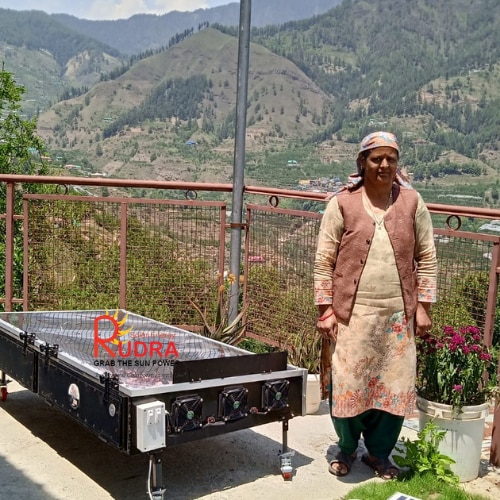
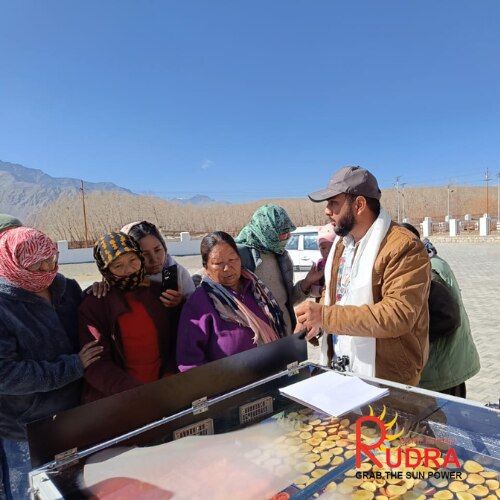
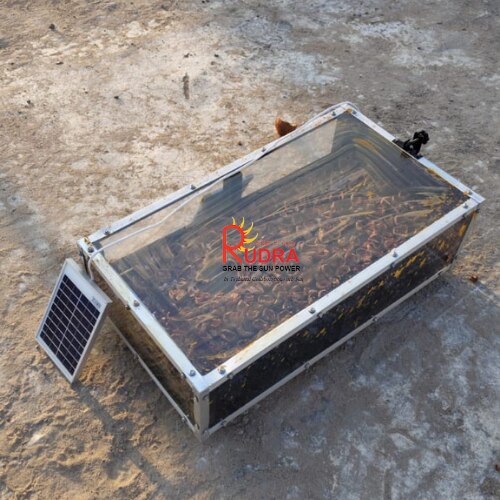
- Customer:
- Integrated Pulse & Dal Processing Enterprise
- Project Category:
- Pulse Processing & Dal Milling Industry
- Customer Requirement:
- The processor received different pulse varieties during the procurement season and needed an organised system for handling batches with varying incoming moisture conditions. The main commodities included: Gram / Chana Lentil / Masoor Pigeon Pea / Tur / Arhar Green Gram / Moong Black Gram / Urad Other compatible whole pulses The client did not want to rely only on prolonged open exposure before storing or processing pulse batches. The requirement was to create a more controlled workflow where operators could consider: incoming pulse moisture commodity type batch quantity seed size loading depth available drying area airflow ambient conditions required condition before storage or dal processing This was important because moisture management is closely connected with pulse storage. FAO guidance notes that grain intended for storage should be dried appropriately and that pulses have commodity-specific storage considerations rather than one universal moisture requirement.
- Project Result:
- The project established a dedicated solar pulse-drying and conditioning stage within the client's dal-processing workflow. Instead of processing every incoming pulse using one standard procedure, the facility could organise batches according to: Commodity ↓ Incoming Moisture ↓ Quantity ↓ Loading Depth ↓ Airflow Requirement ↓ Required Final Condition ↓ Storage or Dal Milling The system gave the processor a clearer way to manage multiple seasonal pulse commodities while maintaining separate batch decisions. This approach is relevant because whole pulses entering storage or dal processing have a different commercial workflow from fruits, vegetables or other high-moisture food products. The project is particularly applicable to: Dal mills Pulse-processing businesses Gram and chickpea processors Lentil-processing units Tur / pigeon-pea processors FPOs Agricultural cooperatives Grain and pulse procurement centres Food-processing MSMEs Post-harvest infrastructure projects A Better Way to Select a Pulse Dryer A commercial processor should not select a pulse drying machine only by asking how many kilograms it holds. Useful equipment-selection questions include: Which pulses will normally be processed? What is the incoming moisture condition? How much fresh material arrives per batch or per day? How will the pulse be distributed inside the dryer? How is air moved through or around the product? Will the pulse go directly into storage or into dal milling? Is solar-only operation suitable for the normal production schedule? These questions provide more meaningful information than comparing nominal capacity alone. Solar Dryer Price for Pulse Processing The price of a commercial pulse dryer can vary according to the actual processing requirement. Relevant factors may include: batch capacity drying area number of trays or loading arrangement airflow configuration chamber construction monitoring requirements solar-only or hybrid configuration backup-heating requirement installation and customisation A small FPO processing seasonal gram batches may not require the same configuration as a commercial dal mill handling several pulse varieties throughout the year. Rudra Solar Energy for Pulse & Dal Processing Applications Rudra Solar Energy provides solar dryer systems for agricultural and food-processing requirements. Depending on the relevant model and project configuration, systems may incorporate enclosed drying chambers, organised food-contact loading surfaces, controlled or forced airflow, solar-powered DC fans and optional hybrid or backup arrangements. For pulse processors, equipment selection should begin with the actual commodity and production workflow. A gram processor may have different loading requirements from a lentil processor. A commercial dal mill handling gram, tur, moong and urad may require greater flexibility for batch changeovers. The appropriate dryer should therefore be selected around: pulse type + incoming moisture + batch quantity + loading arrangement + airflow + downstream operation. For businesses evaluating a solar pulse dryer, dal drying machine or solar dryer for gram, lentils and other pulses, Rudra Solar Energy can assess the processing requirement before recommending an appropriate system configuration.
- What we did:
- Rudra Solar Energy developed the project around a pulse-conditioning workflow for commercial dal processing. Pulse Batches Were Identified Before Loading Each commodity was treated separately instead of mixing gram, lentil, pigeon pea, moong and urad into one operating category. The process began with: Pulse Type → Incoming Moisture → Batch Quantity → Intended Next Stage This made it easier to decide how each batch should be loaded and monitored. A gram batch, for example, could differ considerably from lentil or moong in seed size and bulk behaviour. Loading Was Planned Around Grain-Bed Behaviour Whole pulses form a bulk layer when placed on trays or within the drying area. Loading more kilograms into the same space can increase layer depth, which may influence how effectively drying air interacts with the material. The operating approach therefore considered: batch weight + available drying surface + loading depth + airflow. The objective was not simply to fill the dryer to the maximum physical limit. Instead, operators were encouraged to distribute pulses according to the actual product and required moisture-removal conditions. Airflow Was Treated as Part of the Drying Process Solar heat alone is not the complete drying mechanism. As moisture leaves pulse grains, it enters the surrounding air. That moisture-containing air needs to move away so additional moisture can continue leaving the product. For this reason, the project considered both: solar-assisted heating and organised air movement through or across the loaded pulse batch. FAO grain-drying guidance similarly describes drying performance through the relationship between product moisture, drying air and storage requirements. Different Pulses Did Not Receive One Universal Drying Setting One of the most important operating rules was to avoid prescribing the same drying duration or temperature for every pulse. Instead, operators were instructed to evaluate: pulse variety initial moisture seed condition batch size loading depth airflow ambient humidity required final moisture intended storage duration next processing operation This gives the system greater practical relevance for a processor changing between gram, lentil, tur, moong and urad throughout the year. Drying Was Kept Separate from Dal Milling The solar dryer performs a specific function: moisture reduction. It does not automatically perform the subsequent pulse-processing operations. The complete workflow was therefore organised as: Pulse Procurement ↓ Cleaning / Required Preliminary Handling ↓ Batch Identification ↓ Incoming Moisture Assessment ↓ Controlled Loading ↓ Solar-Assisted Moisture Reduction ↓ Final Moisture Assessment ↓ Cooling / Conditioning ↓ Storage or Dal Processing ↓ Dehusking / Splitting / Grading / Packaging as Separate Operations This distinction was important for both technical accuracy and commercial production planning. Storage Preparation Was Linked to Actual Product Requirements FAO notes that excessive grain moisture can encourage storage problems including fungal activity, insects, respiration and germination. However, this project did not assign one unsupported final moisture percentage to every pulse. The appropriate endpoint should depend on: commodity storage system storage duration ambient conditions processor specification downstream use Moisture measurement and appropriate storage practices therefore remain important even after the drying stage.
Project Description
A pulse-processing enterprise required a dedicated solar pulse dryer for managing moisture in whole pulses before storage, dal milling and further commercial processing. The facility handled multiple pulse commodities including gram, lentil, pigeon pea, green gram and black gram. Although these crops are commonly grouped together as pulses, their seed size, incoming moisture, bulk behaviour and downstream processing requirements are not identical. The project was therefore planned around batch-specific pulse conditioning instead of applying one fixed drying time or temperature to every commodity. FAO grain-handling guidance identifies pulses such as beans, peas and cowpeas as a distinct grain group and notes that excessive moisture is one of the major risks during grain storage. For the client, the Rudra solar dryer became a defined moisture-reduction stage between pulse procurement and subsequent operations such as cleaning, grading, storage, dehusking or dal milling.