
Shree Anna Millet Processing Enterprise

Rudra Solar Grain Dryer for Millet & Multi-Grain Processing Unit
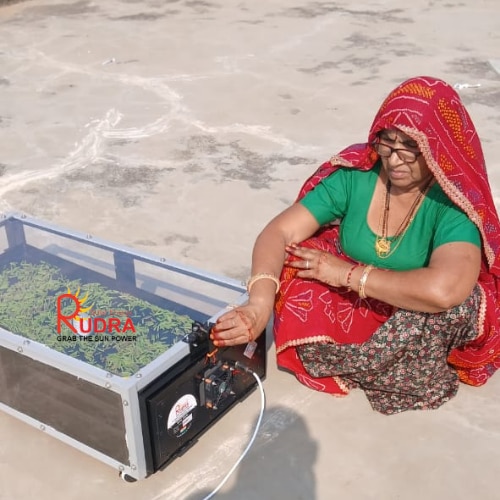
Rudra Solar Grain Dryer for Millet & Multi-Grain Processing Unit — main image
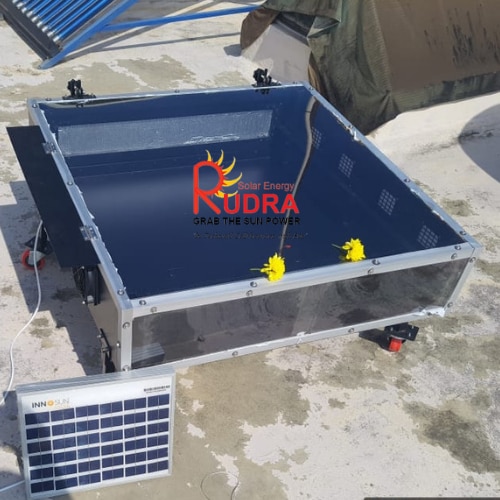
Rudra Solar Grain Dryer for Millet & Multi-Grain Processing Unit — image 2
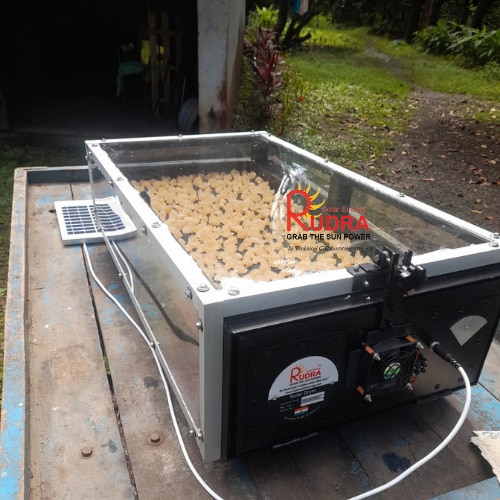
Rudra Solar Grain Dryer for Millet & Multi-Grain Processing Unit — image 3
Customer:
Shree Anna Millet Processing Enterprise
Project Category:
Millet & Grain Processing Industry
Customer Requirement:
The processor handled different millet and grain batches during the procurement season and needed one system that could support moisture reduction without treating every grain as though it had identical physical properties. The client required a solution suitable for commodities such as bajra, jowar, ragi, maize and selected small millets, with particular attention to: fresh grain condition, batch quantity, grain-layer depth, usable tray area, airflow through the loaded material, temperature monitoring and the required moisture condition before the next processing stage. A major concern was that grain could not simply be loaded in a deep bulk layer and expected to dry uniformly. As layer depth increases, resistance to airflow can also increase, making air distribution through the grain bed an important operating consideration. The client also required flexibility to process different grain categories separately while maintaining clear batch identification and an organised loading/unloading workflow.
Project Result:
The project established a dedicated solar grain dryer platform for millet and multi-grain processing, allowing the enterprise to organise separate grain batches according to product type and incoming moisture condition. Instead of evaluating processing capacity only by total kilograms, the client gained a more practical operating framework based on: grain type → batch quantity → loading depth → airflow → moisture condition → next processing stage. This approach is particularly useful for millet processors because grain-based raw materials behave differently from high-moisture fruit or vegetable products. The system can support processors working with multiple seasonal grains while maintaining separate operating procedures for each commodity. For future production planning, the client can evaluate each incoming batch by asking: What grain is being handled? What is its incoming moisture condition? How deep will the grain layer be? Can air move adequately through the loaded material? What moisture condition is required before storage or further processing? This makes the project commercially relevant to millet processors, grain-processing MSMEs, FPOs, cooperatives, cereal processors, rural processing centres and Shree Anna value-addition enterprises.
What we did:
Rudra Solar Energy configured the project as a multi-grain solar dryer application rather than a generic food-dehydration installation. The first step was to organise the system around actual batch flow. The processor’s expected grain quantities and product range were considered alongside available drying area and loading depth. For grain-based applications, the emphasis was placed on spreading material in an appropriate layer instead of maximising kilograms in a limited area. This helps provide a more practical path for heated air to move through or across the loaded material. The operating workflow was structured as: Incoming Grain Assessment → Batch Identification → Controlled Loading → Solar-Assisted Heating → Airflow Through the Loaded Grain → Moisture Assessment → Cooling → Cleaning / Grading / Storage / Further Processing Different grains were treated as separate operating batches. Bajra, jowar, ragi and maize can vary in grain size, initial moisture and bulk behaviour, so one universal loading depth or drying duration was not prescribed. The system approach also maintained a clear distinction between drying and downstream operations. The solar dryer performs moisture reduction; cleaning, dehusking, milling, flour production, grading and packaging remain separate processing steps. ICAR-IIMR guidance on millet and sorghum post-harvest management reinforces the importance of reducing excess grain moisture before safe storage and further handling, while the exact target should be selected according to the grain and intended storage conditions.

Project Description

A millet and grain processing enterprise required a dedicated solar grain dryer for handling different cereal and millet batches within one organised post-harvest setup. Unlike fruits or vegetables, grains are generally handled as bulk particulate material. Their drying behaviour is influenced by initial moisture, grain depth, bulk density, airflow resistance and the moisture condition required before storage or further processing. The project was therefore developed around controlled grain-bed loading, air distribution and batch-wise moisture management rather than simply increasing chamber temperature. The system was planned for suitable batches of millet and grain commodities such as bajra, jowar, ragi, maize and other compatible grains. India’s millet portfolio includes sorghum, pearl millet, finger millet and several small millets, making multi-grain processing an important commercial application. For the client, the objective was to create a cleaner and more structured moisture-reduction stage before subsequent operations such as cleaning, grading, milling, storage or value-added food processing.