
Integrated Plantation Crop Processing Enterprise
Plantation Crop Solar Dryer | Commercial Estate Processing Project
- Customer:
- Integrated Plantation Crop Processing Enterprise
- Project Category:
- Plantation Agriculture & Agro-Processing Industry
- Customer Requirement:
- The enterprise worked with different plantation commodities across its production calendar and needed a solar dryer for plantation crops that would not become underutilised after one crop’s processing season ended. The client wanted one commercial system capable of supporting suitable separate batches while accounting for the fact that plantation commodities can differ widely in physical structure. The system needed to accommodate variations in: Fresh or processed product form Initial moisture Bulk density Piece or bean size Loading depth Tray or drying-area requirement Airflow Batch volume Daily processing target Harvest season Required final condition The client also needed a system suited to commercial estate operations rather than an occasional household dehydration application. The requirement therefore included: Multiple batch-capacity options Organised loading Adequate drying area Controlled or forced airflow according to configuration Temperature monitoring Commodity changeover Solar-primary operation Optional electric or biomass backup where required Compatibility with existing plantation-processing operations
- Project Result:
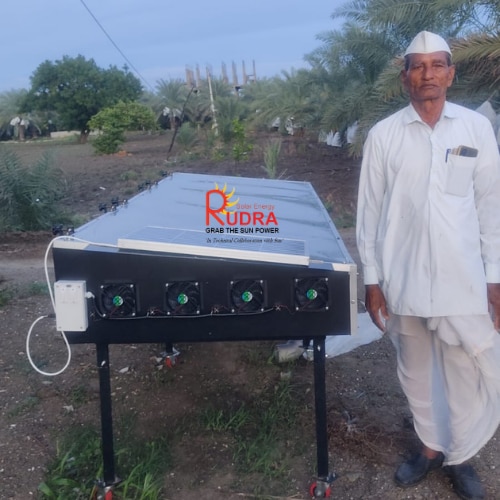
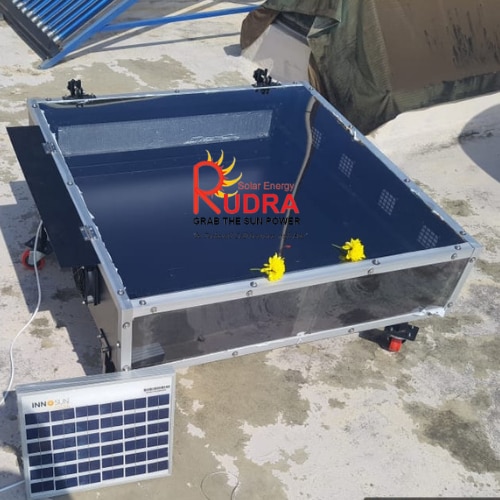
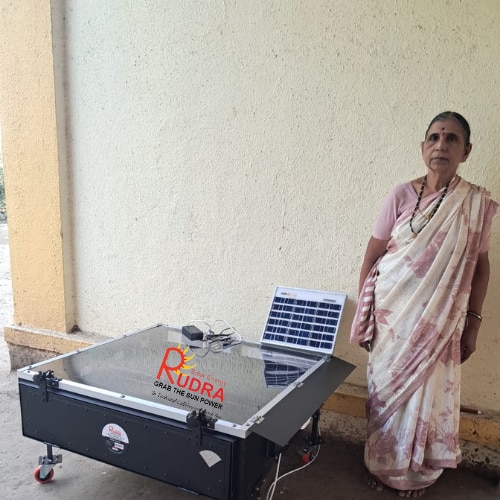
- The completed project gave the plantation enterprise a dedicated Plantation Crop Solar Dryer capable of supporting multiple technically suitable crop applications within one commercial processing facility. Instead of treating the dryer as a single-crop machine, the client could schedule different batches according to the plantation calendar while retaining commodity-specific operating decisions. The practical dryer workflow became: Identify Crop → Identify Processing Stage → Assess Incoming Material → Plan Loading → Set Airflow / Operating Requirement → Moisture Reduction → Endpoint Assessment → Further Processing This enabled the client to distinguish clearly between: Coffee dryer requirements Coconut/copra dryer requirements Arecanut dryer requirements and Cocoa dryer requirements without building the project around one universal process. The installation also provided a stronger basis for future capacity planning because the processor could evaluate equipment requirements using: Peak-season daily input Drying area Material form Loading depth Number of batches Airflow Operating schedule Optional backup requirement The project therefore established a versatile commercial solar-dryer stage for plantation agriculture while keeping each commodity’s upstream and downstream processing requirements separate.
- What we did:
- Designed the Dryer Around Seasonal Crop Movement The project was planned around a simple commercial reality: Plantation equipment creates more value when it can fit the actual crop calendar. Instead of looking only at one batch of one commodity, the system requirement considered how the dryer could support appropriate crops during different parts of the year. The planning sequence became: Plantation Crop → Processing Stage → Incoming Dryer Material → Batch Quantity → Loading Requirement → Airflow → Dryer Operation → Moisture Endpoint → Storage or Further Processing This provided the processor with one common solar-dryer platform while keeping separate processing decisions for each crop. Coffee Processing Required a Dedicated Dryer Logic Coffee gave the project one of its clearest plantation applications. Coffee Board of India specifically advises that parchment or cherry coffee should be dried to prescribed moisture levels before storage and that direct drying on bare soil should be avoided. For suitable coffee processing, the solar dryer could be evaluated for material such as appropriately processed: Coffee cherry Parchment coffee Other technically suitable coffee material entering the drying stage But the dryer was not presented as a machine that performs the complete coffee-processing chain. Depending on the chosen wet or dry method, operations before or after drying can include harvesting, pulping, fermentation or washing where applicable, hulling, grading, roasting, grinding and packaging. Coffee Board research also treats wet and dry processing as distinct estate-level processing methods. Solar Coffee Dryer Capacity Was Based on Throughput For a coffee estate or processor, practical capacity depends on more than the physical volume of the chamber. The client needed to consider: Coffee form entering the dryer Incoming moisture Daily harvest quantity Drying surface Loading depth Air circulation Required moisture condition Peak-season production Number of batches This made solar coffee dryer selection a throughput decision rather than simply a kilogram-capacity decision. Coconut and Copra Created a Different Commercial Application Coconut introduced another major plantation-processing route. ICAR-CPCRI has specifically developed dryer technologies for producing copra from coconut, confirming drying as a genuine post-harvest stage within coconut processing. For this project, suitable coconut applications could be assessed according to the actual product form entering the dryer. Possible dryer-stage requirements may include technically appropriate: Coconut material for copra processing Prepared coconut kernel Coconut slices Other validated coconut-processing applications The key distinction was that coconut processing changes significantly according to the intended final product. A copra-processing batch should not simply use the same loading method as coffee. Solar Copra Dryer as a Plantation Processing Application For an enterprise producing copra, moisture reduction becomes a defined stage before subsequent storage or oil-processing operations. The Solar Dryer’s role remained: Prepared Coconut → Dryer → Required Dried Material → Storage / Further Processing The dryer did not: Extract coconut oil Produce virgin coconut oil automatically Grind coconut Package copra Refine oil Those remain separate operations. This clear equipment boundary helped keep the project commercially relevant without exaggerating the role of the machine. Arecanut Required Another Loading Strategy Arecanut also has a documented drying stage in plantation processing. Current ICAR-CPCRI crop guidance refers directly to harvesting and drying of ripe nuts, followed by activities such as dehusking dry nuts and grading. That made arecanut another valid application within the plantation crop project. A solar dryer for arecanut should consider: Ripe or otherwise appropriately processed nut condition Batch quantity Incoming moisture Product-bed depth Airflow Drying area Required endpoint Downstream grading or processing Because arecanut forms a very different physical load from coconut pieces or coffee parchment, practical capacity needed to be reassessed whenever the client switched commodities. Cocoa Was Kept Technically Separate from Fermentation Cocoa required one of the most important process distinctions in the project. Cocoa processing is not simply: Fresh Cocoa → Dryer ICAR-CPCRI documents cocoa processing as a sequence in which fermentation and drying are separate stages, followed by further operations such as roasting and winnowing depending on the product. For an appropriate cocoa application, the solar dryer therefore enters after the required upstream processing stage, not as a replacement for fermentation. The client needed to consider: Cocoa-bean condition Completion of required upstream processing Batch quantity Loading depth Drying area Airflow Temperature Required final moisture condition The solar dryer performs moisture reduction. It does not ferment cocoa beans, roast them, grind nibs or manufacture chocolate. One Dryer Did Not Mean One Setting This became the central operating rule of the project. A plantation processor may potentially use the same commercial equipment platform for suitable: Coffee Coconut/copra Arecanut Cocoa Other technically compatible plantation-crop materials But the system should never be interpreted as: One machine + one temperature + one loading pattern = every plantation crop Instead, every commodity change requires the processing team to reassess: Material entering the dryer Preparation Incoming moisture Physical size Batch weight Loading depth Drying area Airflow Temperature Required moisture endpoint Downstream processing That is what makes a multi-purpose solar dryer commercially flexible without making technically unrealistic claims. Drying Area Changed with the Commodity The project also demonstrated why nominal kilograms alone are not sufficient for commercial equipment selection. Consider the difference between: Coffee parchment Coconut pieces Ripe arecanut Cocoa beans The same weight of each product may occupy a different amount of drying space and create a different product-layer depth. For this reason, system planning used: Batch Weight + Material Form + Drying Area + Loading Depth + Airflow instead of simply: Machine Capacity = Maximum Kilograms This approach was especially useful for a plantation enterprise planning to use the machine across several crop seasons. Airflow Connected All Four Applications Although the commodities differed, one technical requirement connected the entire project: movement of moisture-laden air. Solar heat supports moisture evaporation. Once moisture leaves the plantation crop, it enters the surrounding air. That humid air then needs to move away so further moisture removal can continue. The commercial dryer configuration therefore considered: Solar-assisted heat Air inlet Product loading Airflow path Exhaust of moisture-laden air Temperature Ambient humidity Batch condition Depending on the selected configuration, controlled or forced airflow supported this process. The system was not designed around the assumption that the highest temperature always gives the best result. Built for Estate, FPO and Commercial Plantation Operations The dryer application can be relevant to: Plantation estates Coffee growers and processors Coconut processors Copra producers Arecanut growers and processors Cocoa growers and processors FPOs and FPCs Agricultural cooperatives Plantation-crop aggregators Agro-processing MSMEs Post-harvest processing centres Rural value-addition enterprises Commercial agricultural processors Each group can require a very different dryer configuration. A coffee estate handling seasonal peak loads and a coconut processor producing copra do not need identical drying capacity simply because both operate in the plantation sector. Commercial Solar Dryer Selection for Plantation Crops The client’s equipment requirement was therefore evaluated through practical buyer questions: What plantation crop will use the dryer most frequently? What form will the material be in when it reaches the dryer? What is the normal and peak batch quantity? How much usable drying area will the commodity require? Will the product form a shallow tray layer or deeper bulk load? What airflow configuration is required? How many batches need to be completed during peak harvest? What happens to the material after drying? Is solar-primary operation sufficient for the production schedule? These questions help determine the required commercial solar dryer more accurately than selecting equipment only by advertised capacity. Solar-Primary and Hybrid Configuration Plantation crops are often processed on seasonal schedules, while ambient weather can influence drying performance. The project therefore used solar energy as the primary drying source while allowing appropriate hybrid solar dryer or backup-assisted configurations to be considered where commercial production required additional flexibility. Backup requirements depended on: Crop Season Processing quantity Installation location Available solar conditions Production deadline Required batch continuity The project did not present the dryer as weather-independent.
Project Description
A Shared Dryer Asset for a Multi-Crop Plantation Business Plantation businesses often handle crops that move through completely different post-harvest routes. Coffee may reach the dryer as cherry or parchment, coconut can require drying for copra or suitable processed coconut products, ripe arecanut has its own drying requirement, while cocoa needs appropriate upstream processing before the bean reaches the drying stage. For this project, Rudra Solar Energy supplied a Plantation Crop Solar Dryer to create one commercial dryer platform for technically suitable plantation-crop batches handled by the client. Instead of dedicating the equipment to only one sub-commodity, the system was configured around: Crop type Material entering the dryer Incoming moisture Daily quantity Usable drying area Loading arrangement Airflow Processing season Required downstream operation The objective was to give the plantation-processing enterprise a commercial solar dryer capable of serving different appropriate crop batches while keeping the actual operating method commodity-specific. ICAR-CPCRI’s plantation-crop research and post-harvest work itself centres on commodities including coconut, arecanut and cocoa, while Coffee Board of India treats drying as an important stage of coffee post-harvest processing.