
Floriculture Value Addition Enterprise

Floriculture Processing Unit with Rudra Solar Flower Dryer
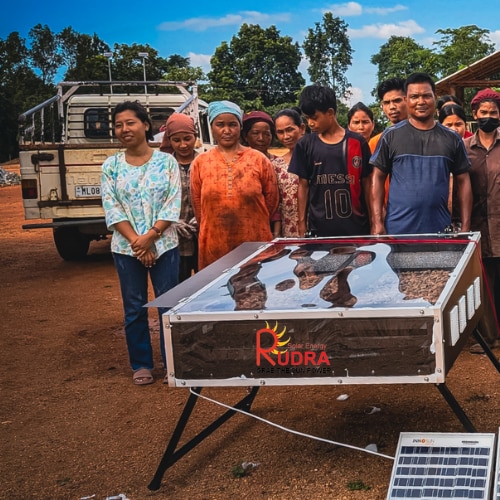
Floriculture Processing Unit with Rudra Solar Flower Dryer — main image
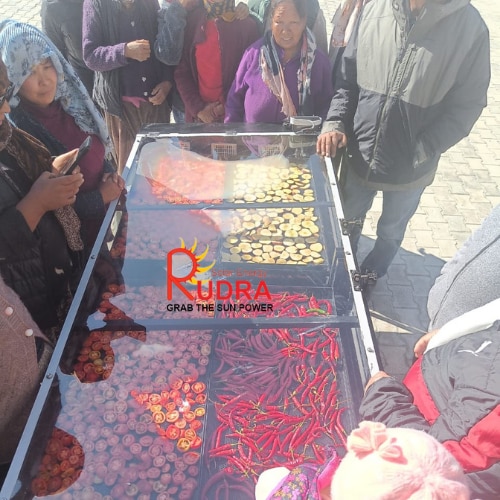
Floriculture Processing Unit with Rudra Solar Flower Dryer — image 2
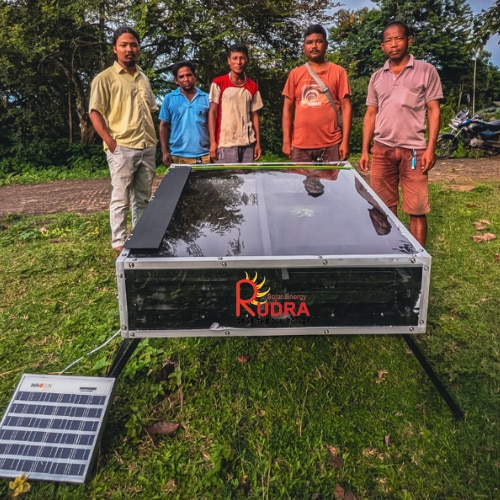
Floriculture Processing Unit with Rudra Solar Flower Dryer — image 3
Customer:
Floriculture Value Addition Enterprise
Project Category:
Flower & Floriculture Processing Industry
Customer Requirement:
The client handled different seasonal flowers and needed a processing system that could support moisture reduction without exposing delicate petals directly to an uncontrolled outdoor environment. Their processing requirements included suitable batches of: Rose petals Marigold Hibiscus Chrysanthemum Jasmine Selected decorative flowers Suitable botanical floral materials The main challenge was product sensitivity. Thin petals could not simply be piled deeply on trays, while whole flowers required different spacing and air exposure compared with loose petals. The client therefore needed a solar dryer that could support: controlled tray distribution, separate flower batches, appropriate airflow, temperature monitoring, easy loading and unloading, and flexibility for changing floral materials during different seasons. The system also needed to fit into a larger floriculture workflow where sorting, cleaning, petal separation, grinding, extraction, packaging or decorative processing—where applicable—remain separate operations.
Project Result:
The project established a dedicated Rudra Solar Flower Dryer workflow for floriculture value addition, enabling the enterprise to process different suitable floral materials in organised batches. The main benefit of the installation was greater process control around: flower identification tray utilisation loading depth air movement temperature awareness batch separation drying endpoint The system allowed the processor to recognise that a loose rose-petal batch and a whole-marigold batch require different operating decisions even when both are classified as flowers. ICAR floriculture literature identifies drying as an established form of flower value addition and documents species such as roses, marigold, lavender, strawflower, statice and globe amaranth among materials used for dried-flower applications. This makes the project relevant to: Floriculture growers Flower-processing enterprises FPOs and cooperatives SHGs Temple-flower value-addition initiatives Herbal and botanical processors Decorative dried-flower businesses Rural entrepreneurship projects Institutions working in floriculture value addition Rather than promising that one solar dryer automatically preserves every flower’s colour, fragrance or shape, the project demonstrates a more technically credible approach: select the drying conditions according to the flower, product form and intended application.
What we did:
Rudra Solar Energy treated the project as a specialised floriculture processing application rather than using a standard agricultural loading method. Floral Material Was Classified Before Loading The operating approach separated: Loose petals from Whole or thicker flowers because their tray-space requirement and resistance to moving air can differ considerably. Lightweight rose petals, for example, require a different loading approach from denser whole marigold flowers. Tray Surface Was Prioritised Over Deep Loading For delicate floral material, useful drying capacity is strongly related to how much product surface can be exposed to moving air. Instead of creating thick piles to maximise kilograms per tray, the processing approach emphasised controlled layer depth and sufficient tray area. This allowed heated air to move around the floral material while reducing the risk of creating heavily compressed batches. Air Movement Was Matched to Lightweight Material Flowers introduce a specific airflow challenge. Air movement needs to carry released moisture away, but lightweight petals should not be disturbed unnecessarily by excessive air velocity. The project therefore focused on appropriate airflow rather than maximum airflow. The drying approach considered: flower type → product form → tray loading → airflow → temperature → ambient humidity → required final condition. Different End Uses Were Kept Separate The same dried floral material may not be suitable for every final application. Depending on the flower and intended use, processed material may later enter decorative, botanical, herbal, craft or other value-added workflows. The solar dryer itself performs the moisture-reduction stage only. Grinding, powder production, extraction, blending, packaging and product formulation remain separate processes. Batch Changeover Was Organised Because the enterprise handled multiple floral materials, the workflow was designed so trays and relevant contact surfaces could be cleaned before switching products. The operating sequence was structured as: Flower Selection → Required Preparation → Batch Identification → Controlled Tray Loading → Solar-Assisted Moisture Removal → Endpoint Assessment → Cooling → Further Processing This gave the processor a clearer production sequence than treating all flowers as one mixed drying category.

Project Description

A floriculture value-addition enterprise required a dedicated solar flower dryer for processing petals, whole flowers and selected floral materials in organised batches. Flowers cannot be handled like dense vegetables, grains or roots. Rose petals, marigold, hibiscus, chrysanthemum and other floral materials can differ substantially in petal thickness, moisture content, physical strength, bulk density and sensitivity to excessive handling. For this project, Rudra Solar Energy developed the dryer application around gentle product loading, adequate tray surface, controlled air movement and batch-specific operating conditions. The objective was to provide an enclosed solar-assisted system for reducing moisture from suitable floral materials before their intended downstream use. Dry-flower research published through ICAR also shows that flowers respond differently to drying techniques and that dried flower quality depends strongly on the flower species and drying method rather than one universal treatment.