
Value-Added Dairy Processing Enterprise
Commercial Dairy Processing with a Solar Dryer for Dairy Products
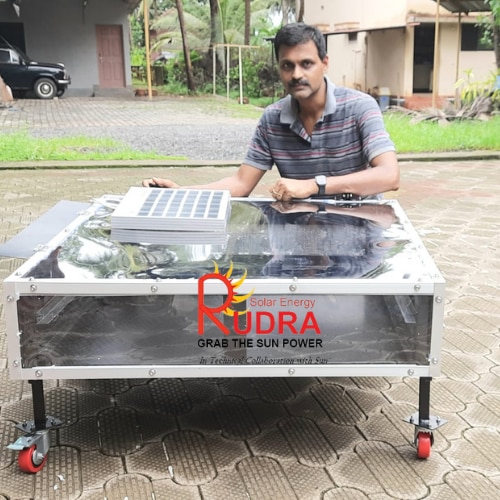
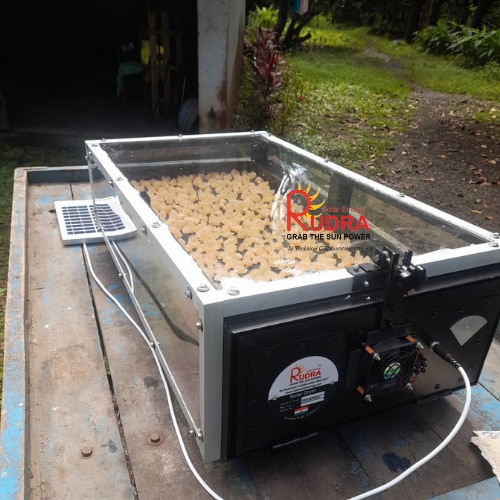
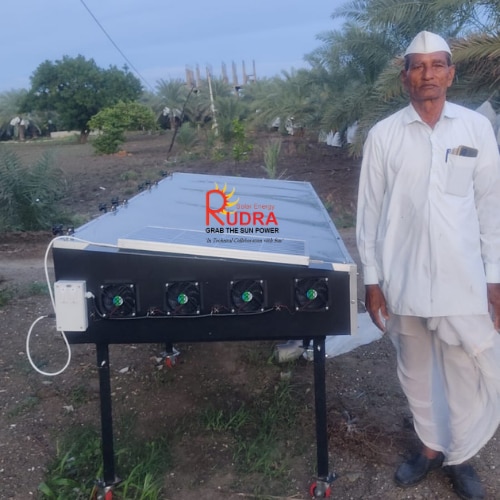
- Customer:
- Value-Added Dairy Processing Enterprise
- Project Category:
- Dairy & Food Processing Industry
- Customer Requirement:
- The dairy processor required a commercial solar dryer that could handle selected dairy products in controlled batches while fitting into an existing food-processing environment. The main priorities were different from ordinary crop drying. The client needed: Organised multi-tray loading Suitable food-contact surfaces Defined batch segregation Controlled or forced airflow according to configuration Temperature monitoring Easy loading and unloading Cleaning between batches Flexible batch quantity Solar-primary operation Optional backup where required by production schedules Compatibility with existing dairy-processing operations The client also needed the equipment scope to remain technically clear. The system was required for solid or prepared dairy products suitable for dehydration, not for directly converting liquid milk into milk powder. This distinction matters commercially. NDDB documents dairy whitener and milk powders as products manufactured through dedicated condensing and spray-drying systems, including specialised industrial powder plants.
- Project Result:
- The project provided the client with a dedicated solar dryer for dairy products that could be integrated into a commercial value-added dairy-processing workflow. Instead of using open or loosely controlled drying for suitable solid dairy applications, the client gained a defined equipment stage with structured product loading and organised airflow. The processing team could plan each batch according to: Dairy Product → Prepared Form → Product Thickness → Batch Quantity → Tray Space → Airflow → Operating Requirement → Required Endpoint This gave the facility a clearer way to match practical dryer capacity with the physical characteristics of the dairy product. The installation also created an important technical boundary between: solar dehydration of suitable solid dairy products and industrial manufacture of dairy powders from liquid milk or whey. That distinction allowed the project to remain useful for the dairy sector without overstating what a tray-based solar dryer is designed to do. For future processing expansion, the client could evaluate dryer requirements according to: Daily product quantity Product dimensions Number of trays required Number of batches per day Production season Operating schedule Optional backup requirement This made the solar dryer a defined commercial processing asset rather than a generic machine assigned to every dairy product.
- What we did:
- Started with Product Suitability Before Machine Capacity For this project, the first equipment question was not: “How many kilograms can the solar dryer hold?” The first question was: “Which dairy product will actually enter the dryer?” That changed the entire project-planning approach. Before defining a batch, the dryer application was evaluated according to: Product type Solid or prepared form Dimensions or thickness Incoming moisture condition Required moisture reduction Quantity per batch Tray-space requirement Temperature requirement Airflow Downstream processing Only appropriate dairy materials were assigned to the dryer. Configured the Dryer for Prepared Solid Dairy Products Suitable dairy applications can require a different loading arrangement from fruits, vegetables, grains or herbs. Prepared cheese-type products, for example, may be placed as individual pieces or strips rather than as loose granular material. This makes product dimensions and available tray surface important capacity factors. The project therefore evaluated useful loading through: Prepared Dairy Quantity + Product Size + Tray Area + Spacing + Airflow rather than simply filling every available tray to its maximum possible weight. This gave the processor a more practical commercial definition of dryer capacity. Created a Structured Multi-Tray Loading System Individual dairy pieces require organised placement to allow air to interact with the product surface. The commercial solar dryer was therefore planned around a structured tray arrangement. Batch loading considered: Product dimensions Number of pieces Spacing Tray utilisation Total drying surface Product thickness Required airflow Batch frequency Daily production requirement This helped the client organise repeated dairy-processing batches without treating the drying chamber as a simple storage volume. Built the Project Around a Real Dairy-Drying Use Case Traditional dairy processing itself demonstrates that some solid dairy products do have a genuine drying stage. ICAR literature documents Churpe/Chhurpi, a fermented Himalayan dairy product, as a cheese product traditionally formed into strips and sun-dried. For a commercial processor, however, the objective is not simply to copy uncontrolled traditional outdoor drying. Where a dairy product has a validated dehydration requirement, an enclosed solar dryer can provide a more organised equipment environment for that defined stage. The specific process still needs to be determined by the dairy product being manufactured. Kept Liquid Dairy Processing Outside the Dryer Scope The project deliberately separated two completely different dairy-processing requirements. Suitable Solar Dryer Application Prepared solid dairy products Hard or fermented dairy products where dehydration is part of the validated process Suitable dairy pieces or materials intended for controlled moisture reduction Other technically validated solid dairy applications Separate Specialised Dairy Equipment Liquid milk to milk powder Skim milk powder production Whole milk powder production Dairy whitener manufacturing Liquid whey to whey powder Other liquid dairy concentration and spray-drying processes This separation prevented the project from making the misleading claim that one tray-type solar dryer can replace an industrial milk-powder plant. NDDB’s documented dairy powder facilities use specialised evaporation, spray monitoring and powder-processing systems. Made Food-Processing Hygiene Part of the Equipment Plan Dairy products are highly process-sensitive materials, so the client required a clear loading and changeover workflow. The dryer stage was organised around: Prepared product receipt Batch identification Tray loading Dryer operation Endpoint assessment Unloading Cooling or conditioning according to the client process Cleaning Next batch preparation The enclosed system helped create a more organised processing environment than direct outdoor exposure. However, the solar dryer itself was not presented as a sterilisation system or as an automatic food-safety guarantee. The client’s full food-safety programme, dairy-processing procedures, cleaning, temperature control, final product testing, packaging and storage remained separate responsibilities. Matched Airflow with Dairy Product Geometry Drying a solid dairy piece is different from drying a thin leaf or a bed of grain. Product thickness influences the distance moisture needs to move before reaching the surface. Spacing also changes the way air reaches individual pieces. The dryer configuration therefore considered: Product thickness Surface exposure Tray spacing Airflow Batch quantity Temperature Humidity Required processing endpoint The objective was not to achieve the highest possible chamber temperature. The objective was to provide an appropriate dryer environment for the selected dairy product. Commercial Solar Dryer Capacity Was Based on Throughput The client’s requirement was commercial, so one batch could not be considered in isolation. Capacity planning included: Normal product quantity per batch Peak daily quantity Number of batches Loading and unloading time Available drying area Production schedule Product dimensions Optional backup requirement This helped align the solar dryer with the rest of the dairy-processing facility. A machine that can physically hold the required kilograms is not necessarily the correct commercial dryer if it cannot support the required tray spacing or daily throughput. Solar Food Dehydrator for Dairy Applications Equipment buyers can use several search terms when looking for this type of processing machine: Solar dryer Solar dryer for dairy products Commercial solar dryer Solar food dehydrator Food drying machine Food dehydrator machine Solar dehydrator Industrial solar dryer Hybrid solar dryer For this project, these terms relate to one specific application: controlled moisture reduction from suitable prepared dairy products. The machine selection still depends on the actual product rather than the keyword used to find the equipment. Designed for Dairy MSMEs and Value-Added Processors The project configuration can be relevant to businesses such as: Value-added dairy processors Traditional dairy-product manufacturers Specialty cheese processors Rural dairy enterprises Dairy cooperatives with appropriate processing applications Food-processing MSMEs Women-led food enterprises SHGs working with validated dairy products Institutional dairy-processing projects Specialty food manufacturers The dryer configuration should always follow the specific dairy product and production process. Solar-Primary Operation with Commercial Backup Flexibility The system was developed around solar-primary operation. Where the client’s dairy-production schedule required additional operating flexibility, an appropriate hybrid solar dryer or backup-assisted configuration could be evaluated. This decision depended on: Product type Batch quantity Processing schedule Installation location Available solar conditions Required operating window Production frequency The project did not assume that backup was automatically necessary for every dairy application. One Defined Machine Inside a Larger Dairy Plant The completed equipment was positioned as one stage within a wider commercial process. A suitable workflow could be: Dairy Product Preparation → Product Inspection → Tray Loading → Solar Dryer → Endpoint Assessment → Cooling / Conditioning → Further Processing or Packaging The exact steps depend on the dairy product. The solar dryer does not automatically: Pasteurise milk Ferment dairy products Make cheese Make paneer Convert liquid milk into powder Spray-dry whey Grind products into powder Package finished dairy products Perform laboratory quality testing Its function within this project was specifically the dryer stage.
Project Description
The Processing Gap Was at the Dryer Stage The client already had a dairy-processing workflow in place, but selected solid and prepared dairy products required a dedicated equipment stage for controlled moisture reduction. Rudra Solar Energy supplied a solar dryer for dairy products configured for commercial batch processing, organised tray loading, airflow and temperature management. Unlike an agricultural project where raw crops may enter the dryer directly after basic preparation, dairy processing required stricter product selection. The system was intended only for technically suitable solid or prepared dairy materials whose manufacturing process included a tray-drying or dehydration stage. This made the project particularly relevant for value-added dairy processors handling products such as prepared hard or fermented cheese materials and other validated solid dairy products. The solar dryer was not positioned as a replacement for the client’s complete dairy plant. Instead, it was integrated as a defined processing machine within the existing production line.